Written scope
What we will do and what it costs.
When your AC springs a leak, water travels fast through Frisco TX attics and ceilings. Our team handles AC leak water damage Frisco TX homeowners call about most: wet drywall, soaked insulation, stained ceilings. We find the source, extract standing water, and dry the structure before mold sets in. One call, one crew, start to finish.

Every AC leak water damage Frisco TX job includes the full water-side scope: source identification, extraction, structural drying, and documentation. We handle the water damage and the repairs that follow. HVAC repair of the AC unit itself is handled by a licensed HVAC tech, and we coordinate with them on site.


We handle AC leaks in houses, townhomes, and condos across Frisco. Whether the water is in the attic, the ceiling, or a closet, we extract it and dry the structure.
We work with property managers, landlords, and business owners on AC leak water damage. We schedule around your tenants and document everything for your records.
AC leak water damage Frisco TX is water intrusion cleanup that traces moisture back to your air conditioning system, then dries and repairs everything it touched. Most AC leaks start at the condensate drain line, the drain pan, or a clogged primary drain that pushes water into the secondary pan and over the edge. From there, water soaks insulation, stains drywall, and drips through ceiling fixtures. We use a moisture meter and thermal imaging camera to map exactly how far the water traveled before we pull a single panel.
Frisco summers run the AC hard from May through October, and that constant runtime is what turns a slow drip into a ceiling stain. In neighborhoods like Stonebriar and Panther Creek, we see AC leaking water ceiling Frisco TX calls spike in July and August when condensate output peaks. Attic AC leak water damage Frisco homeowners deal with often hides for weeks inside blown insulation before it shows up as a brown ring on the ceiling below.
We find where the AC water went, dry it, and prove it with readings.
From your first call to the final moisture reading, here is exactly what happens. No surprises, no vague timelines. You will know what we are doing and why at every step.

You call (945) 297-3238 and describe what you see: water dripping from vent Frisco, a stained ceiling, or a wet attic floor. We ask a few quick questions to size the job, then dispatch a crew. Most Frisco addresses get a technician on site the same day.

We shut off the AC if needed, then inspect the drain line, pan, and secondary drain. A borescope camera checks inside the ceiling cavity. A moisture meter and infrared thermometer map the wet zone. This takes 30 to 45 minutes and tells us exactly what we are dealing with.

Standing water comes out first using a water extraction unit and wet/dry vacuum. If the ceiling is bulging, we make a small relief cut to drain trapped water safely. Saturated insulation and carpet pad get bagged and removed. This stage usually runs one to three hours.

We position air movers and dehumidifiers to dry drywall, plywood subfloor, and framing. A hygrometer logs readings twice a day. Most AC leak ceiling water damage cleanup jobs in ZIP 75034 and 75035 dry in three to five days depending on how long the water sat.

Once readings hit dry standard, we remove equipment and walk you through the results. Drywall patching, joint compound, and paint are scheduled next. You get a written moisture log showing before and after readings for your records or insurance claim.

Measures moisture content in drywall, framing, and subfloor to map the wet zone and confirm when materials hit dry standard.

Reveals temperature differences behind walls and ceilings so we can see where water traveled without tearing anything open.

Lets us look inside ceiling cavities and drain pans through a small hole to find the exact leak source.

High-velocity air movers evaporate moisture from wet surfaces so dehumidifiers can pull it out of the air.

Pull moisture out of the air in the affected space, speeding drying and preventing secondary damage to nearby materials.

Tracks relative humidity in the drying chamber to confirm the environment is dry enough for materials to release moisture.

Remove standing water from pans, ceiling cavities, and carpet pad before drying equipment goes in.
We follow the IICRC S500 standard for water damage restoration, which sets the drying goals, equipment calculations, and documentation requirements for every job.
We dispatch a crew the same day. They trace the leak to the condensate drain, extract water from the ceiling cavity, and set up drying equipment. You get a moisture report and a repair plan. Ceiling dried in three days, drywall repaired and painted within a week. No mold, no ceiling replacement.
We treat it as an emergency. The crew shuts off the AC, makes a relief cut to drain trapped water, extracts standing water, and starts structural drying immediately. Active drip stopped within two hours. Ceiling cavity dried in four days. Electrical fixtures checked and cleared.
We document the current moisture levels, dry any remaining wet material, and provide a written report showing the attic is dry. The report goes to the buyer and the realtor. Clean moisture report, deal moves forward. No mold found, no repair credit needed.
We inspect for mold, contain the affected area, remove moldy drywall and insulation, and run dehumidification. If mold coverage exceeds 25 square feet, we follow Texas Department of Insurance licensed mold remediation protocols. Mold removed, structure dried, air quality restored. Clearance documentation provided.
Frisco homes run their AC systems hard from May through October, and that constant runtime is what causes most condensate leaks. The drain line clogs with algae and dust, water backs up into the secondary pan, and eventually it overflows into the attic. From there it soaks insulation and drywall before it shows up as a ceiling stain. In two-story homes common in Starwood and Phillips Creek Ranch, the attic AC unit sits above the second-floor ceiling, so water has a direct path down. We also see AC condensate leak water damage Frisco TX calls in new construction where the drain line was not pitched correctly. Collin County building code requires a secondary drain line or a float switch, but we still find systems where the float switch failed or was never installed. If you are searching for AC leak water damage near me in Frisco, we are local and we know these systems.
A homeowner in Stonebriar noticed a brown stain spreading across the hallway ceiling. The AC drain line had been clogged for weeks. Insulation above was saturated, and the drywall was soft to the touch.
We extracted water from the ceiling cavity, removed wet insulation, and dried the assembly in four days. The stained drywall was cut out and replaced. New texture and paint matched the existing ceiling.
Pour a cup of vinegar down the condensate drain line every month during cooling season to prevent algae clogs. Check the drain pan for standing water after heavy AC use.
A Panther Creek home had water dripping from a ceiling vent. The AC drain pan had overflowed and soaked the blown insulation across a 10-foot area. The attic decking was wet and the ceiling below was stained.
We removed 12 bags of saturated insulation, dried the decking and framing to dry standard in five days, and installed new insulation. The ceiling was repaired and painted.
Install a float switch on the secondary drain pan if you do not have one. It shuts the AC off before the pan overflows. Test it every spring.
A homeowner in The Trails called about a musty smell in the master bedroom. A moisture meter and thermal imaging camera found wet drywall and baseboard from a slow AC condensate leak that had been running behind the wall for weeks.
We made a small inspection cut, dried the wall cavity in three days, treated the framing, and repaired the drywall. The musty odor was gone and moisture readings were normal.
Check the AC drain line and pan every spring before cooling season starts. If you smell mustiness near an AC closet, call for a moisture inspection.
AC leaks show up in different ways depending on where the water goes. Here are the most common problems we solve for Frisco homeowners, and what happens if you wait.

We find the source, stop the water, and dry the ceiling cavity from above and below. Damaged drywall is cut out and replaced. We treat the framing to prevent mold and finish the ceiling with texture and paint. The stain grows as water soaks through drywall. Left alone, the drywall sags, loses strength, and can collapse. Mold starts within 24 to 48 hours.
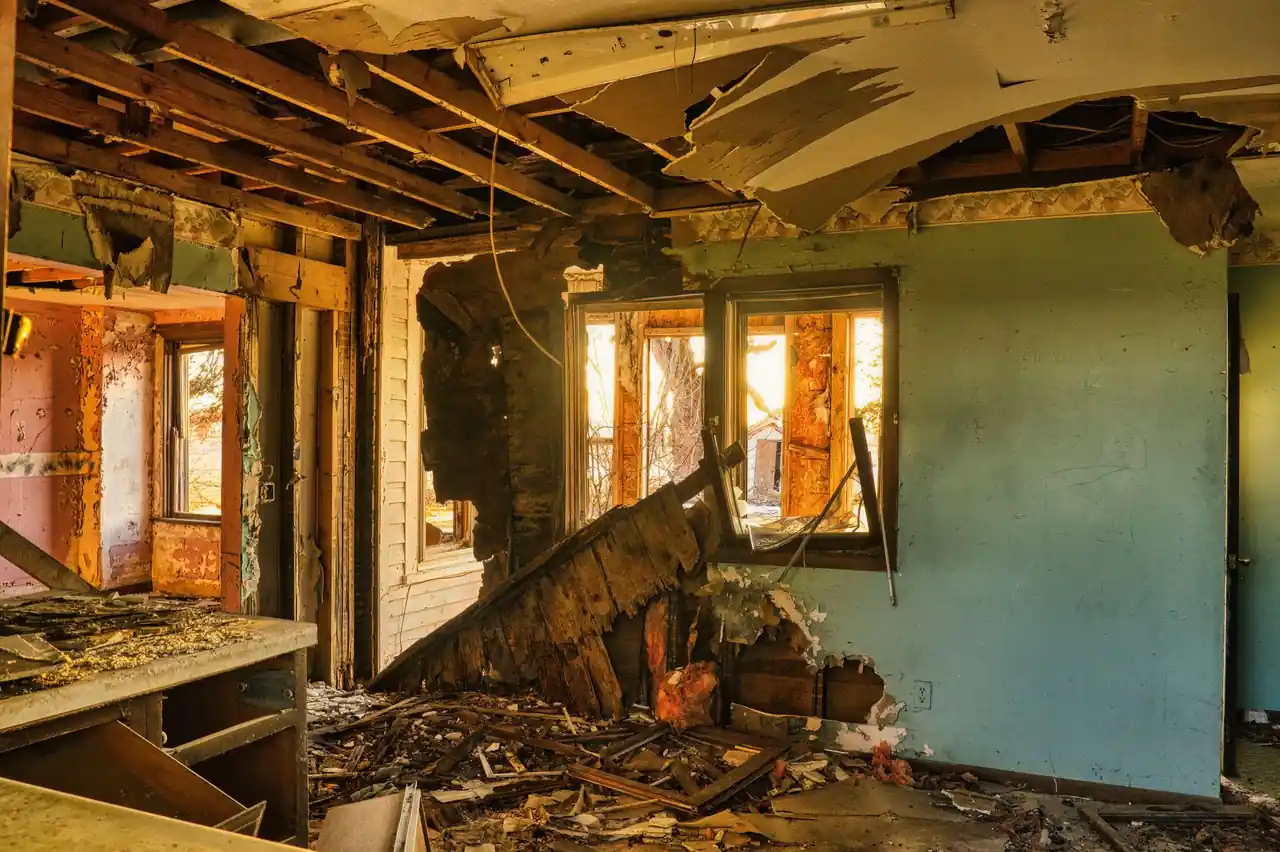
We inspect the attic above the vent with a borescope camera, extract standing water, remove wet insulation, and dry the assembly. If the duct is sweating, we address the humidity with dehumidification. Water dripping from a ceiling vent means the duct or the pan above it is holding water. It soaks insulation and can short electrical fixtures in the ceiling.
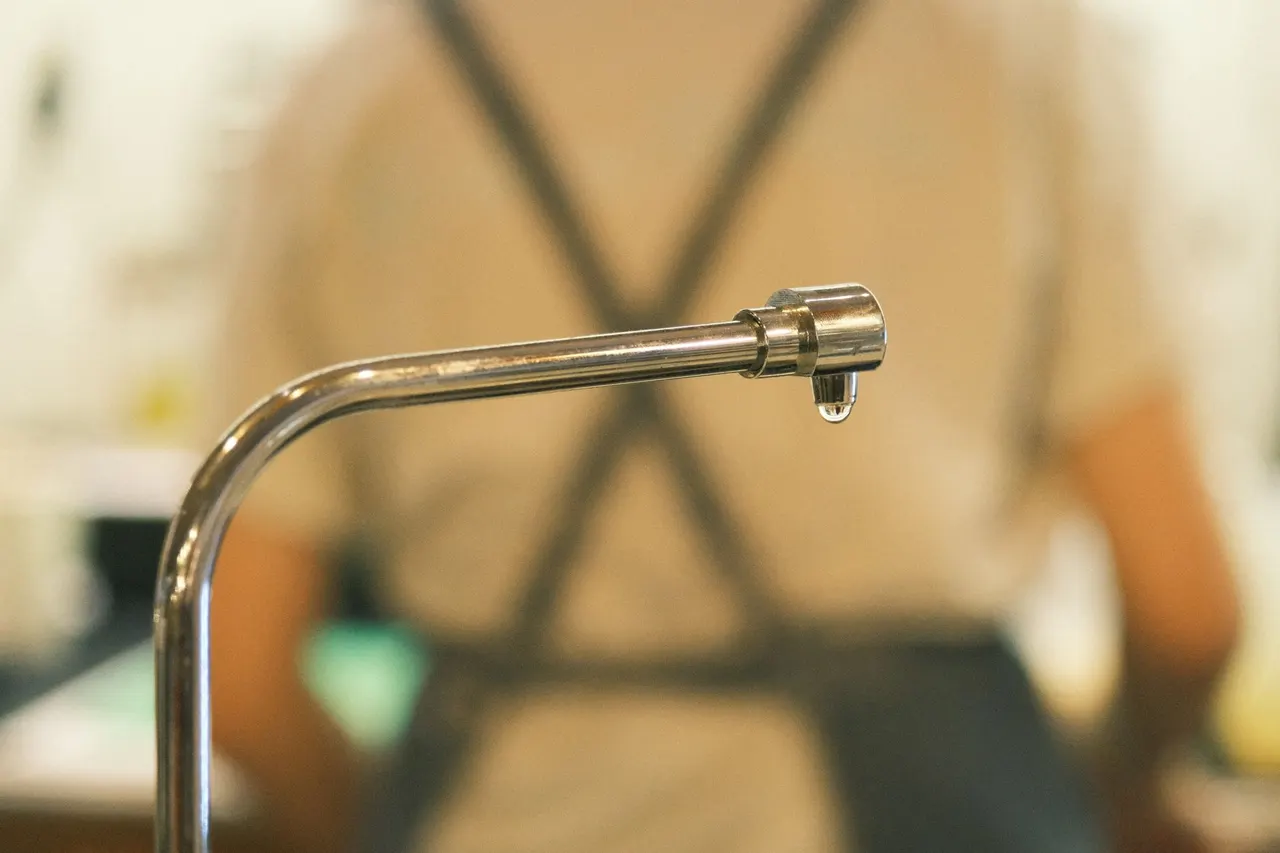
We remove saturated insulation, dry the framing and decking with air movers, and verify moisture readings. New insulation goes in after the structure is dry. This is standard for AC leak wet insulation attic cleanup Frisco jobs. Blown insulation holds water like a sponge and loses R-value. Wet insulation against framing keeps the wood damp and creates ideal mold conditions.

A thermal imaging camera and moisture meter find the hidden wet zone. We mark it, make a small inspection cut if needed, dry the cavity, and treat the framing. No guesswork, no unnecessary demo. Water travels sideways behind drywall and baseboard where you cannot see it. By the time you notice, mold has colonized the paper backing and framing.
We arrive with truck-mounted extraction and wet/dry vacuum units to pull standing water out of pans, ceiling cavities, and carpet pad. Most AC condensate leak water damage Frisco jobs get extracted within the first two hours on site, which cuts drying time by a full day or more.
We set Dri-Eaz and Phoenix Restoration Equipment air movers and dehumidifiers to dry the ceiling assembly from both sides. A hygrometer tracks humidity until the cavity hits dry standard. That is how we stop ceiling water damage from AC leak Frisco TX homeowners thought was just a stain.
A moisture meter and thermal imaging camera show us exactly where water traveled behind drywall and under baseboard. We mark the boundary with tape so you can see the affected zone. No guesswork, no tearing out more drywall than the job requires.
Wet insulation and drywall start growing mold in 24 to 48 hours. We remove saturated insulation, treat framing, and run dehumidification until readings are dry. If mold is already present, we bring in Texas Department of Insurance licensed mold remediation protocols.
Clear records you can keep and share.
What we will do and what it costs.
Daily readings from start to dry standard.
Before, during, and after photos of the work.
An AC leak is a water problem first and an HVAC problem second. The water damage has to be stopped and dried before the AC repair matters.
Water spreads through insulation and drywall within hours. Drying has to start before the AC repair or the damage keeps growing.
Water travels behind drywall and under baseboards where you cannot see it. A moisture meter finds it before mold does.
Most AC leaks start with a clogged condensate drain line. Pouring vinegar down the line monthly during cooling season prevents most of them.
Outside these areas? Call us and we will let you know if we can help. (945) 297-3238
Most AC leak water damage Frisco TX jobs run $450 to $2,800 depending on how much ceiling and insulation is wet. A small ceiling stain with minimal drying might land near $450. A full attic soak with insulation removal, structural drying, and drywall repair pushes toward the top of that range. We give you a written scope before work starts so you know the number.
Yes, and it is the most common damage we see. Water from a clogged condensate line soaks through insulation and drywall until it shows as a brown ring or a sagging bulge. If the leak runs long enough, the drywall can fail completely. We see AC leaking water ceiling Frisco TX calls every summer where the stain was the first sign the drain had been clogged for weeks.
Most Texas homeowners policies cover sudden and accidental water damage from an AC leak, including ceiling drying and drywall repair. What they usually do not cover is the AC unit repair itself or long-term neglect like a drain line that was clogged for months. We document the damage thoroughly so your adjuster has what they need to process the claim.
Call a restoration company first if water is actively dripping or the ceiling is wet. We stop the water damage from spreading, extract standing water, and start drying. Then we coordinate with your HVAC tech to fix the drain line or pan. If you call HVAC first, the water keeps spreading while you wait. Call us at (945) 297-3238 and we will handle the water side.
Water from an AC leak spreads fast. We are IICRC certified, we document everything for your insurance claim, and we dry to verified readings. Call now and we will dispatch a crew to your Frisco address today.
Call us at (945) 297-3238 or email info@rapiddryfrisco.com. We answer the phone 24/7 for emergencies and schedule same-day visits for non-emergency calls. If you are in Frisco or anywhere in Collin County, we can be at your door fast.