Written scope
What we will do and what it costs
A failed tank or burst supply line can dump 40 to 60 gallons into your home before you notice. Our crew handles water heater leak water damage Frisco TX homeowners call about most: wet carpet, soaked drywall, and water creeping under baseboards. We extract the standing water, dry the structure, and document everything for your insurance claim. Call (945) 297-3238 and we roll a truck today.

Every job starts with inspection and ends with a final moisture report. Here is what is covered in a standard water heater leak cleanup. If your job needs drywall repair, paint, or plumbing work, we scope that separately so you know exactly what you are paying for.

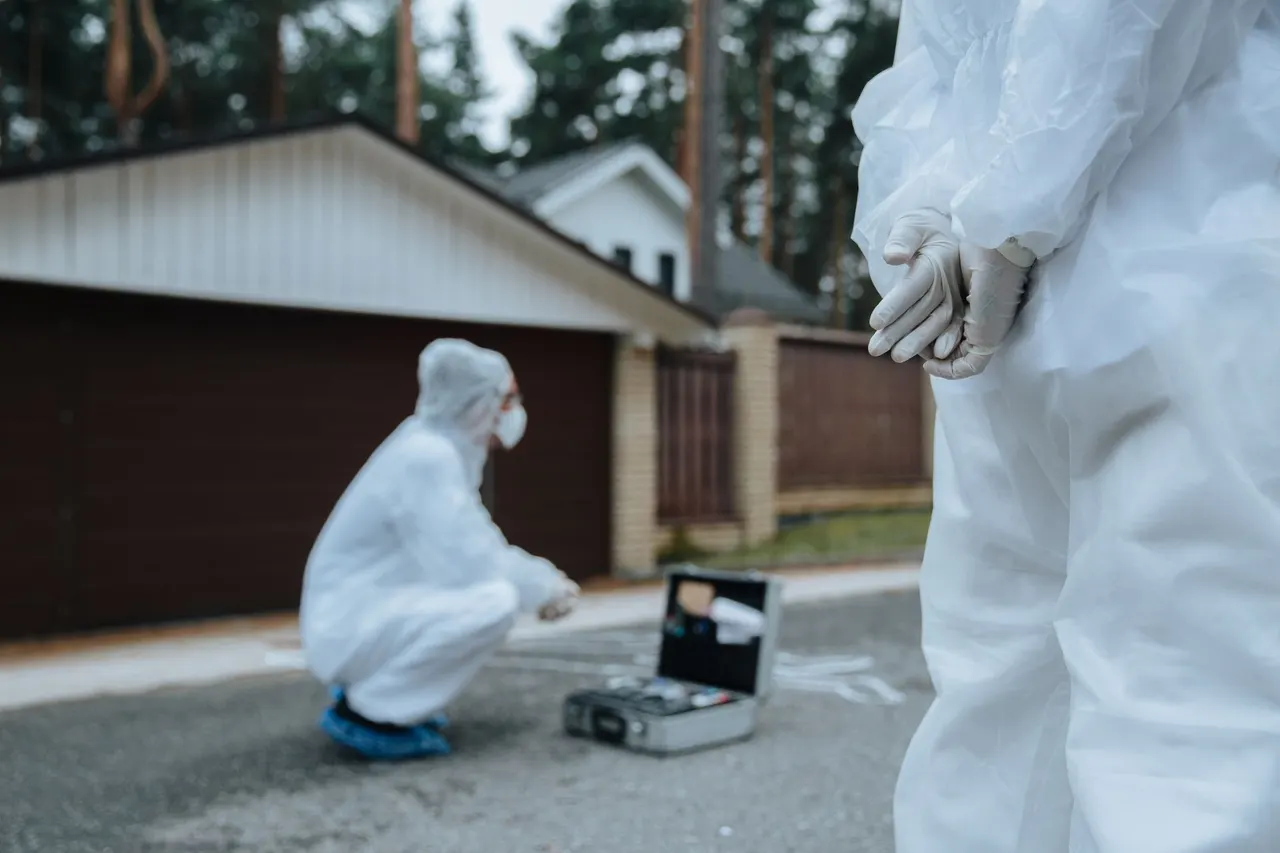
We handle water heater leaks in houses, townhomes, and duplexes across Frisco. From the first call to the final moisture reading, we keep you informed and show you the numbers.
We work with property managers, landlords, and small business owners across Frisco. We document every job so your insurance claim and your tenants both get what they need.
Water heater leak water damage Frisco TX cleanup is the process of stopping the water source, extracting standing water, and drying the structure before mold and rot set in. A 50-gallon tank that fails at the seam can release its full volume in under 10 minutes. We start with a moisture meter and thermal imaging camera to map how far the water traveled, then pull it out with a water extraction unit and wet/dry vacuum. From there we set Dri-Eaz and Phoenix Restoration Equipment air movers and dehumidifiers to dry the framing, drywall, and subfloor to IICRC WRT standards.
Most Frisco calls we run come from tanks tucked in the attic or garage. In two-story homes, an attic water heater leak ceiling damage Frisco scenario means water soaks insulation and drywall before it ever shows as a stain. In garages, a water heater leak garage flood cleanup Frisco job often means water spreading toward stored boxes and the water heater platform. The longer it sits, the deeper it wicks into plywood subfloor and carpet pad. That is why we treat the first two hours as the most important window.
Stop the water, extract it fast, dry the structure, and prove it with readings.
Five steps, from the first phone call to the final moisture reading. Here is exactly what happens.

You call (945) 297-3238 and describe what you see. We walk you through shutting off the water at the tank and killing power to the unit if it is electric. A truck heads your way, usually within 60 to 90 minutes anywhere in Frisco.

We arrive with a moisture meter, thermal imaging camera, and borescope camera. In 20 to 30 minutes we map the wet zone, check the ceiling below an attic unit, and confirm whether the water reached the slab, baseboard, or adjacent rooms.

Standing water comes out first with a water extraction unit and Shop-Vac for tight corners. We pull carpet pad if it is saturated, because pad rarely dries in place. This step usually runs 2 to 4 hours on a typical Frisco garage or closet leak.
We set Dri-Eaz and Phoenix Restoration Equipment air movers and dehumidifiers sized to the wet square footage. Expect 3 to 5 days of drying with daily moisture checks. We adjust equipment placement each visit based on the readings.

We confirm drywall, plywood subfloor, and framing are back to normal moisture content with the hygrometer. You get a final report with photos and readings. If repairs like drywall or paint are needed, we scope those separately or hand them to your contractor.
Pin and pinless readings tell us exactly how wet drywall, subfloor, and framing are, and when they are dry.
Shows temperature differences that reveal hidden moisture behind walls and under floors without cutting anything open.
Pulls hundreds of gallons per hour from carpet and hard floors, cutting hours off the job compared to a shop vac.

High-velocity airflow evaporates moisture from surfaces so the dehumidifiers can pull it out of the air.
Keep the drying chamber at the right humidity so water does not just move from the floor back into the air.

Lets us look inside ceiling and wall cavities to confirm whether the drywall and insulation are salvageable before we cut.
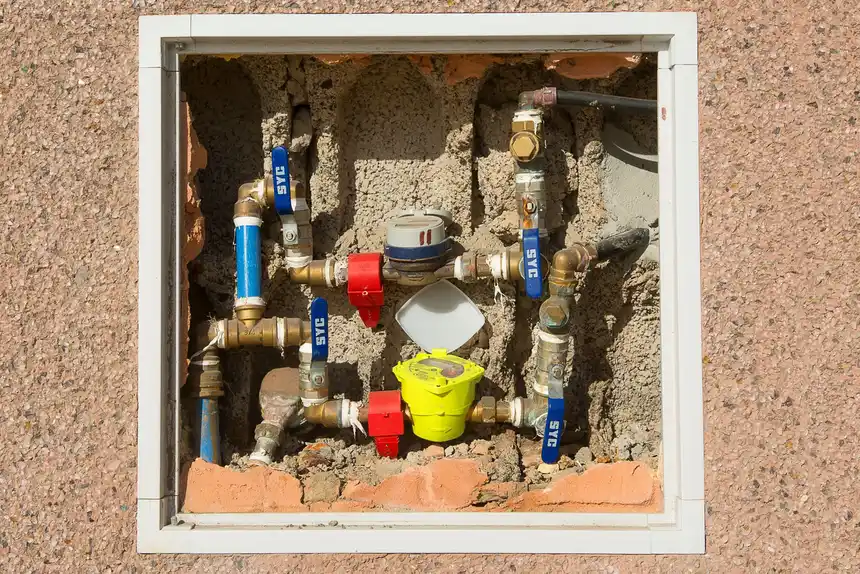
Logs humidity and surface temperatures each visit so we can prove the structure is drying on schedule.
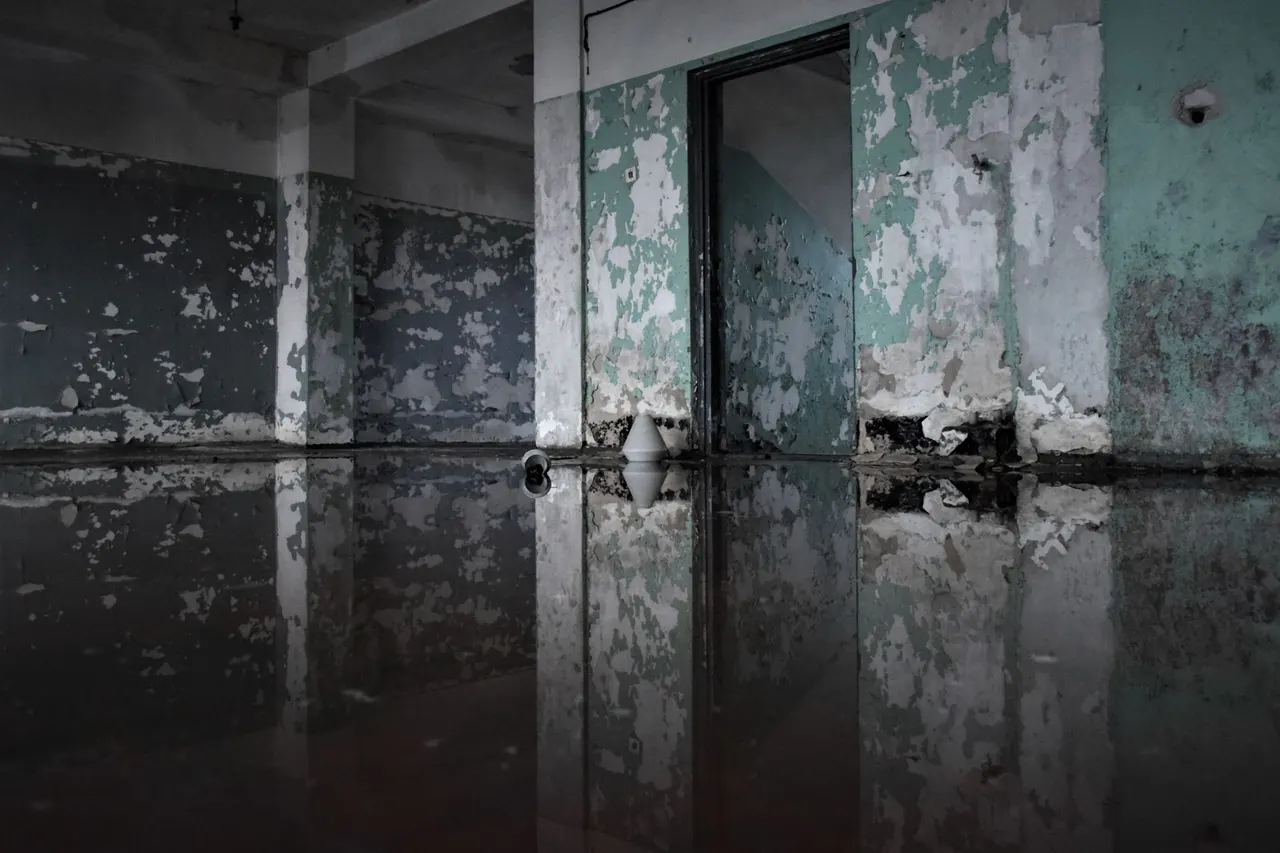
The industry standard for water damage restoration. It defines how we classify the water, categorize the loss, and set drying goals. Every water heater leak job we run follows it.
We extract the standing water, pull wet cardboard and stored items out of the way, and set drying equipment. We check the wall base and subfloor with a moisture meter to see how far it traveled. Garage floor and walls dry in 3 to 4 days. You get a final moisture report and photos for your insurance claim.
We use thermal imaging to map the wet zone, check the ceiling cavity with a borescope camera, and dry the framing. If the drywall is sound, we dry it in place. If not, we remove the damaged section. Ceiling is dry and repaired. The stain is gone and the texture matches the rest of the hallway.
We extract the water, remove baseboard where needed to dry the wall cavity, and set air movers and dehumidifiers. We coordinate with your plumber to confirm the line is repaired. Wall cavity and subfloor dry in 3 to 5 days. Baseboards are reinstalled and the room is back to normal.
We inspect with a moisture meter and thermal camera, check for hidden mold growth behind the baseboard and in the insulation, and bring in Texas Department of Insurance licensed mold remediation if needed. The source is identified, the mold is remediated, and the area is dried and documented so it does not come back.
Frisco homes sit on expansive clay soil, and that matters after a water heater leak. The soil movement puts stress on supply lines and pipe fittings over time, which is one reason we see so many water heater failures in older Collin County neighborhoods. Most Frisco homes have the tank in the garage or attic. Garage units are easier to access but flood fast because there is no drain. Attic units are the opposite: harder to reach, and the water travels down through insulation and drywall before you see it. That is why an attic water heater leak ceiling collapse Frisco call is usually more expensive than a garage leak. We also see a spike in calls after the first hard freeze each winter, when exposed lines in garages and attics are most vulnerable. If you are searching for water heater leak water damage near me in Frisco, we are local and we know these houses.
A 50-gallon tank failed at the seam overnight. Water spread across the garage floor and soaked the base of the wall shared with the laundry room. Cardboard boxes and stored items were saturated.
We extracted 40 gallons of standing water in 3 hours, pulled the wet cardboard and items, and set 4 air movers and 1 dehumidifier. The garage floor and wall base were dry in 4 days with logged readings.
We recommended a drip pan under the new tank and a water alarm on the floor. Both are cheap and give you a head start if the next tank fails.
An attic water heater leaked slowly for days before a ceiling stain appeared in the upstairs hallway. The drywall was wet across a 6-foot section and the insulation below the unit was saturated.
We dried the ceiling cavity in place over 5 days with targeted airflow. Only a 2-foot section of drywall had to be removed and rebuilt. The stain was gone and the texture matched.
We suggested an annual flush and a check of the tank fittings each fall. A slow leak caught early is a much smaller job.
A supply line to the water heater burst and ran under the baseboards into the adjacent bedroom. Carpet and pad were soaked across a 10-foot section, and the wall cavity was wet.
We extracted the water, pulled the saturated pad, and removed baseboard to dry the wall cavity. Carpet and walls were dry in 3 days. The plumber replaced the line before we finished drying.
We recommended replacing the flexible supply lines every 5 years. They are the most common failure point on a water heater.
A water heater leak creates a chain of problems. Fix the water first, then the damage, then the source. Here is what we handle.
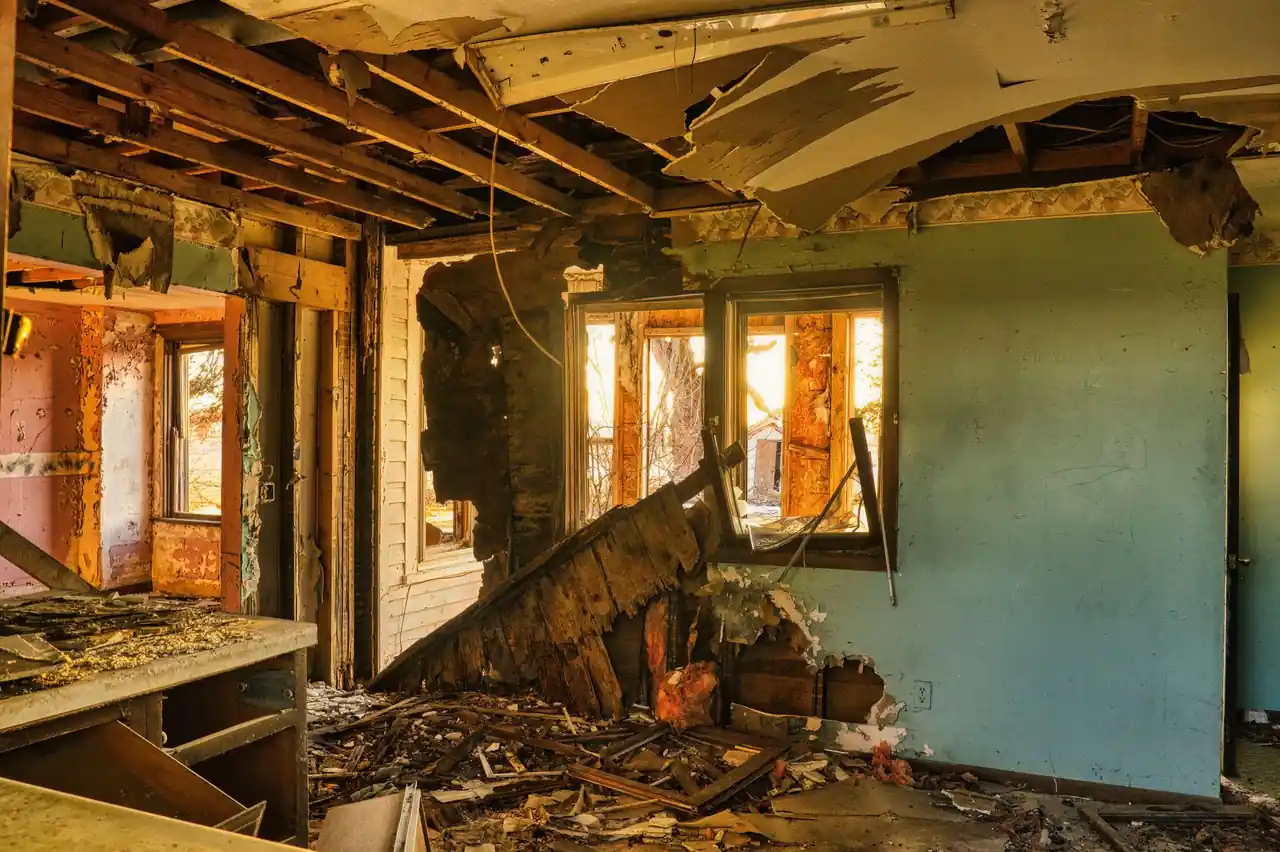
We extract standing water with a water extraction unit and Shop-Vac, pull saturated carpet pad, and start drying the same day. Most garage floods are extracted in 2 to 4 hours. Water wicks into plywood subfloor and baseboards within hours, and the longer it sits, the more material has to be replaced instead of dried.
We check the cavity with a borescope camera, dry the ceiling in place if the drywall is sound, and remove only the damaged section if it is not. We rebuild with joint compound and matched texture. Wet drywall loses strength fast. If it sags, it can collapse. If it stays wet, hidden mold growth can start in 24 to 48 hours.
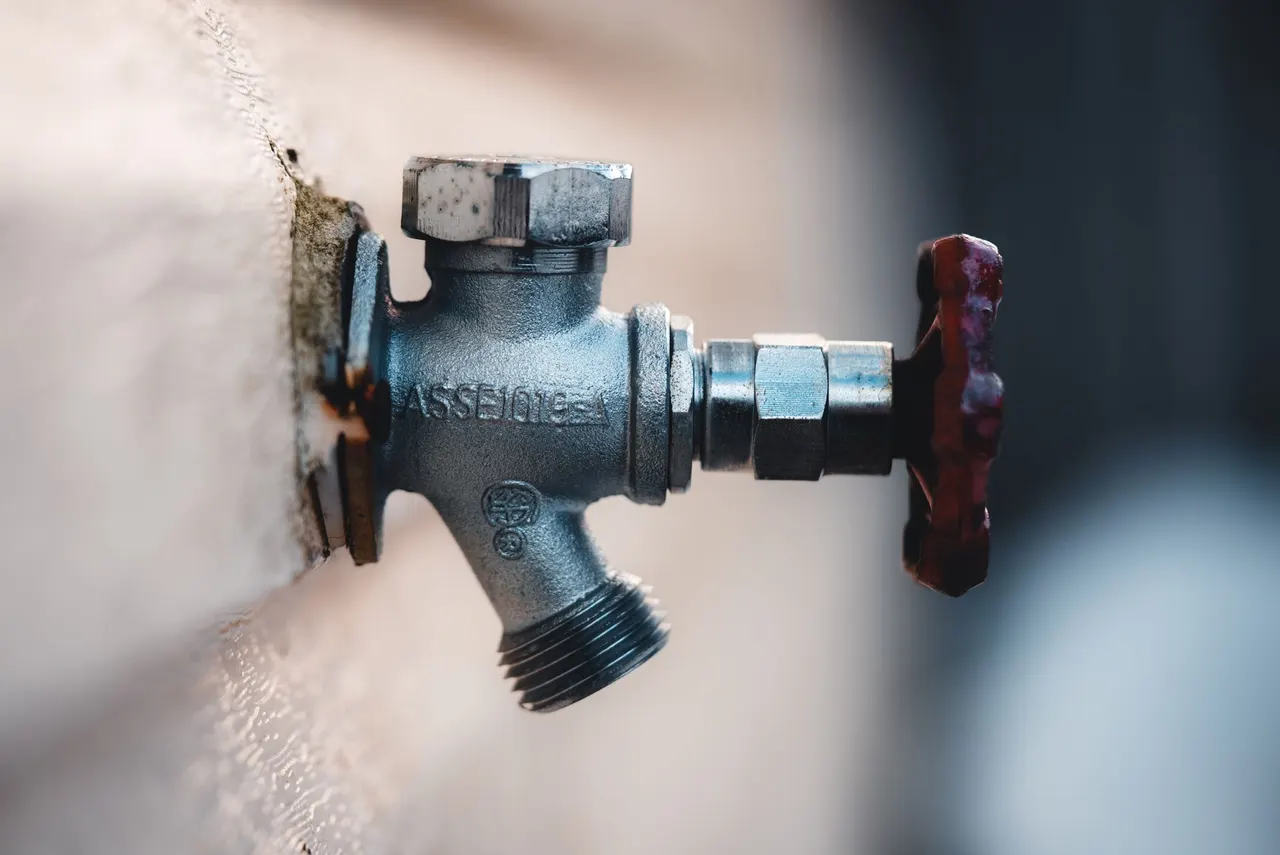
We pull the pad, extract the carpet, and dry both with air movers and dehumidifiers. If the carpet backing is delaminated, we tell you straight so you can decide on replacement. Carpet pad holds water like a sponge. Without extraction and airflow, it stays wet for weeks and becomes a mold source.
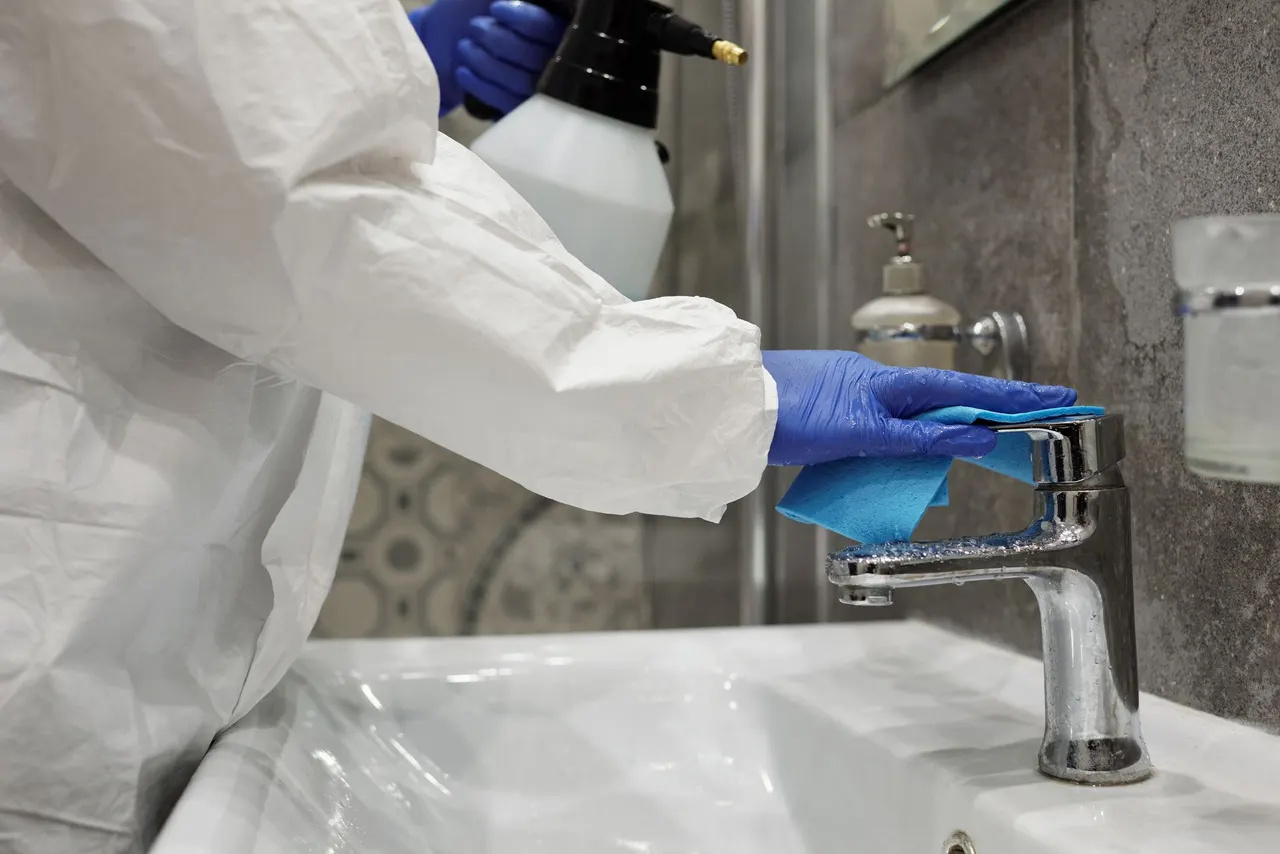
We coordinate with a state-licensed plumbing contractor to confirm the supply lines, pipe fittings, or tank are repaired before drying finishes. We do not close a job with an active leak. Drying a floor under a still-leaking tank wastes money and time. The water comes back and you start over.
Our water extraction unit pulls hundreds of gallons per hour, so a water heater leak water extraction Frisco job that would take a shop vac all weekend is usually done in 2 to 4 hours. We hit the carpet, pad, and subfloor before water reaches the slab.
We log moisture readings with a hygrometer and infrared thermometer every visit. A typical water heater leak wet drywall Frisco TX job dries in 3 to 5 days. You get the numbers, not a guess, and we do not pull equipment until the drywall and framing hit target.
When a water heater leak wet carpet Frisco or attic leak sags a ceiling, we use a borescope camera to check the cavity before anyone cuts. If the drywall is sound, we dry it in place and save the texture match. If it is not, we remove only the damaged section.
We photograph every affected room, mark moisture boundaries, and write a scope your adjuster can read. Texas Department of Insurance licensed mold remediation is on call if we find hidden mold growth behind baseboards or in the insulation.
Clear records you can keep and share.
What we will do and what it costs
Daily readings from first visit to last
Before, during, and after documentation
A water heater leak is a water problem first and a plumbing problem second. The faster the water comes out, the less material has to be replaced.
Turn off the water at the tank and kill power to the unit if it is electric. That stops the source while you wait for help.
Carpet pad holds water like a sponge and usually has to be replaced. Carpet itself can often be dried and saved.
Water from an attic unit travels down through insulation and drywall. The stain shows up hours or days after the leak starts.
Outside these areas? Call us and we will let you know if we can help. (945) 297-3238
Most residential water heater leak cleanups in Frisco run $1,200 to $3,800 in 2026, depending on how far the water spread and how many rooms are affected. A single-room garage leak with fast extraction often lands near the low end. An attic unit that soaked two ceilings and a carpeted hallway pushes toward the high end. We give you a written scope before we start.
Yes. An attic water heater leak ceiling damage Frisco scenario is one of the most common calls we run. Water travels down through insulation and drywall, and you often see the stain hours or days after the leak started. If the drywall is still structurally sound, we dry it in place. If it has sagged or crumbled, we remove the damaged section and rebuild it.
Most Texas homeowners policies cover sudden water heater leaks and the resulting damage, but not long-term seepage the homeowner should have noticed. The key is documentation. We photograph everything, log moisture readings, and write a scope your adjuster can process. We do not handle the claim for you, but we hand you what the adjuster needs.
Call a plumber first to stop the leak, then call us to clean up the water. If you cannot reach a plumber immediately, shut off the water at the tank and call us anyway. We can start extraction while you line up the plumbing repair, and we coordinate with a state-licensed plumbing contractor so the source is fixed before drying finishes.
Every hour you wait, water wicks deeper into subfloor, drywall, and insulation. Call (945) 297-3238 and we will dispatch a crew, extract the water, and start drying today. Same-day service across Frisco and Collin County.
Call us at (945) 297-3238 or email info@rapiddryfrisco.com. We answer the phone 24/7 for emergencies and schedule same-day visits for non-emergency calls. If you are in Frisco or anywhere in Collin County, we can be at your door fast.