Drying report
Daily moisture readings and photos
When a washing machine leak water damage Frisco TX situation soaks your laundry room floor, every hour lets water creep into the subfloor, baseboard, and drywall. We handle washer leak repair in Frisco alongside extraction, moisture mapping, and structural drying so the leak stops and the room actually dries. Call (945) 297-3238 and we roll a truck to your address in Collin County.

Every washer leak call starts with the same core scope: stop the water, remove what is standing, dry what is wet, and prove it with readings. What changes is how far the water traveled and how much material has to come out. Here is what is in the standard package.
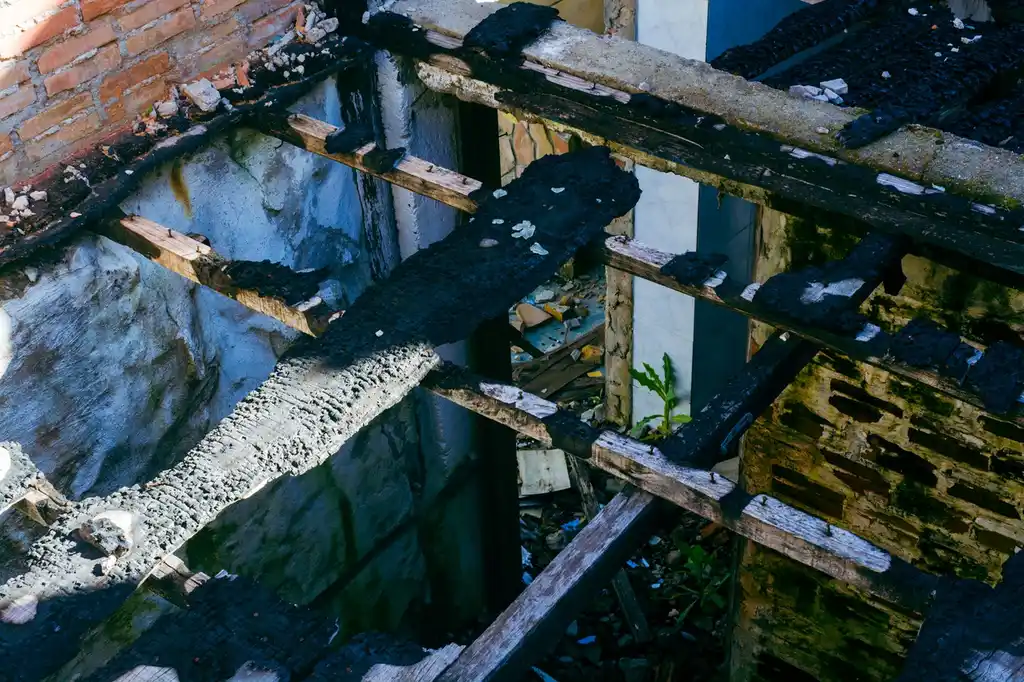
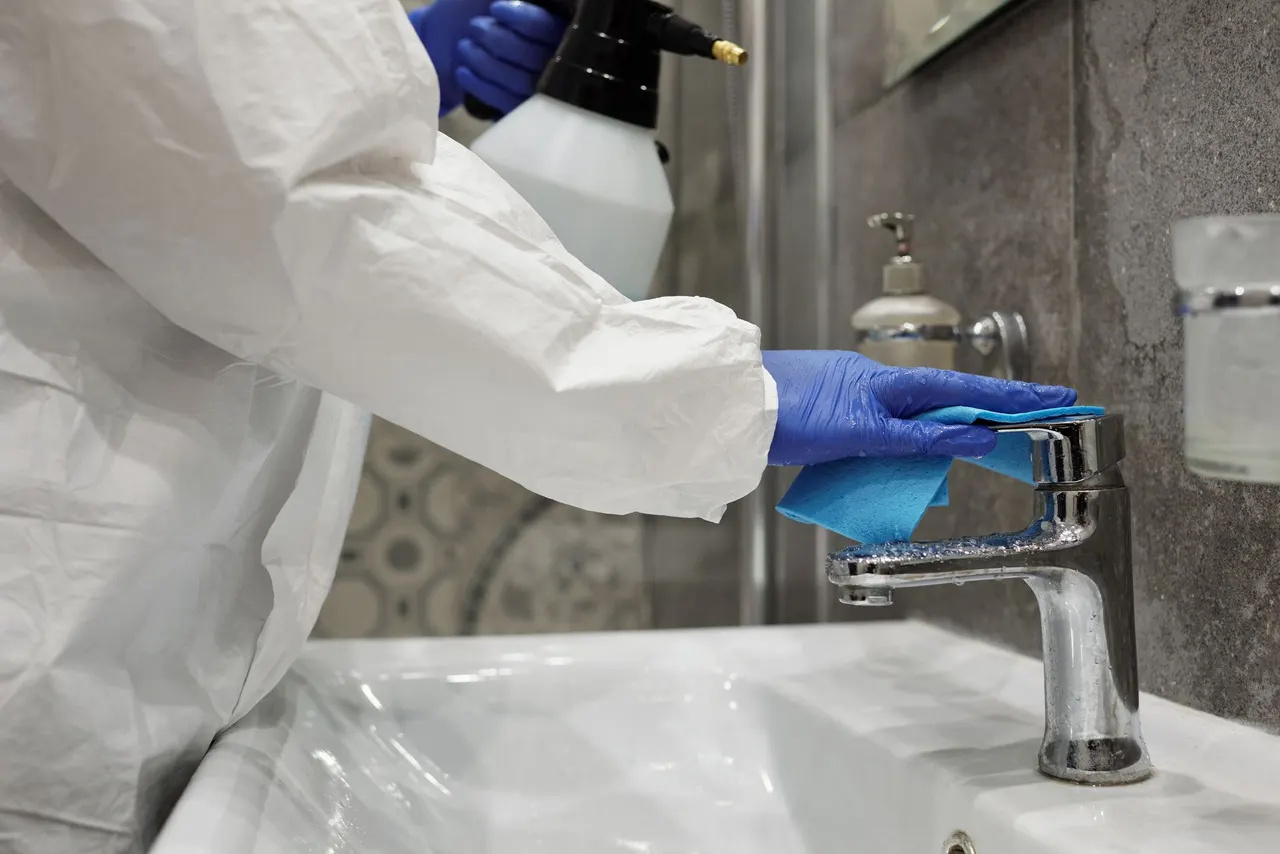
We handle washer leaks in houses, townhomes, and rentals across Frisco. You get extraction, drying, and a written record of what we found and how it dried.
We work with property managers, landlords, and multifamily owners who need a washer leak handled fast and documented clearly. Units get dried and returned to service without guesswork.
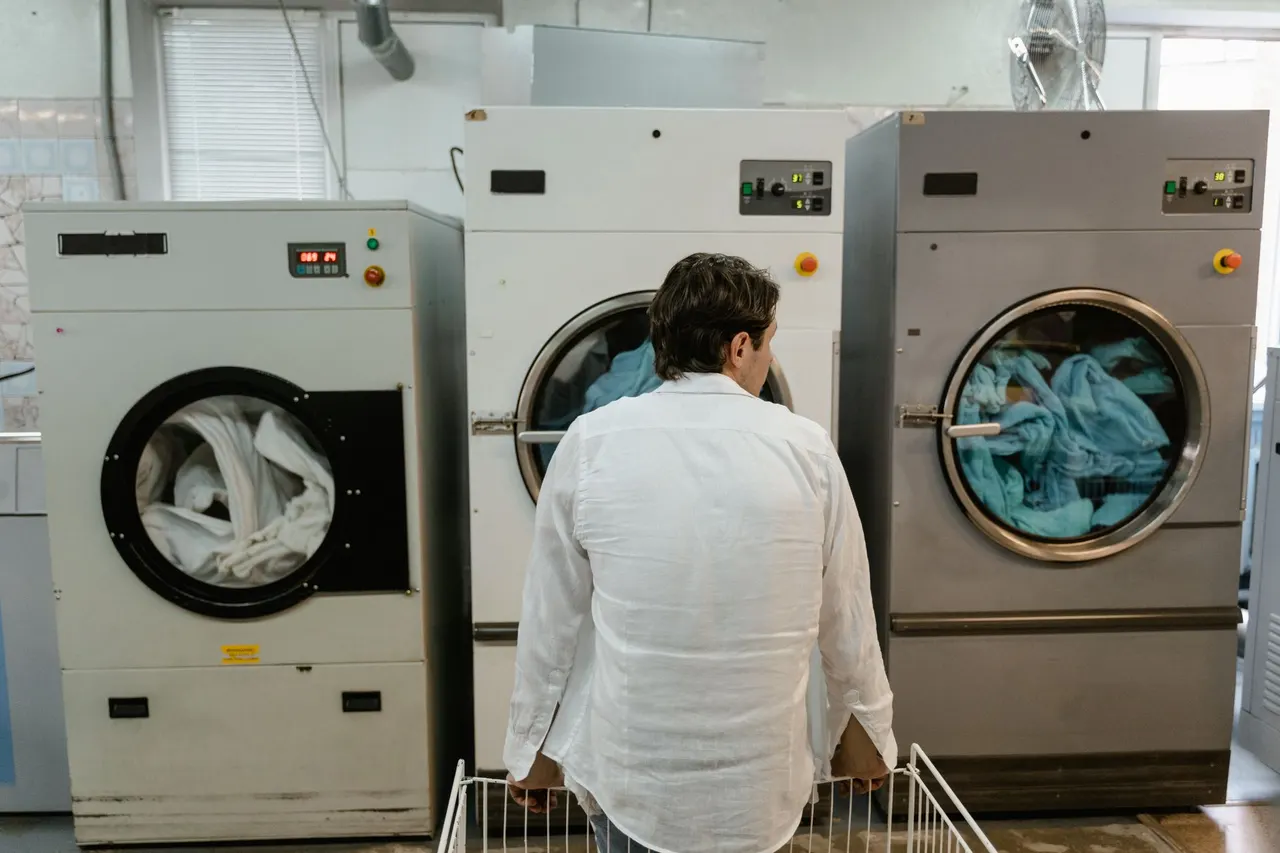
Washing machine leak water damage Frisco TX is the cleanup and drying work that follows a failed supply line, split drain hose, or overflowing washer tub. Water from a burst hose can push 5 to 10 gallons per minute onto the floor, and a slow drip under the machine can soak a plywood subfloor for weeks before anyone notices. We pull standing water with a water extraction unit, meter the walls and floor with a moisture meter, and dry the cavity with air movers and a dehumidifier until readings match a dry standard.
Frisco homes get hit hard by this because so many laundry rooms sit on the second floor or share a wall with a hallway. A washing machine hose burst water damage Frisco call often turns into a ceiling water stain on the floor below within 20 minutes. If you are searching for washing machine leak water damage near me at 2 a.m., we answer the phone, walk you through shutting off the supply valves, and schedule same-day extraction across 75034, 75035, and 75033.
Stop the water, pull what is standing, dry what is wet, and prove it with readings.
Five steps, no mystery. Here is how a washer leak call runs from the moment you dial (945) 297-3238 to the day we pull the last air mover out of your laundry room.

We answer, ask what happened, and tell you how to shut off the hot and cold supply valves behind the washer. If water is still running, we walk you through killing the breaker to the laundry circuit. This call takes 3 to 5 minutes and often stops the damage from getting worse before we arrive.
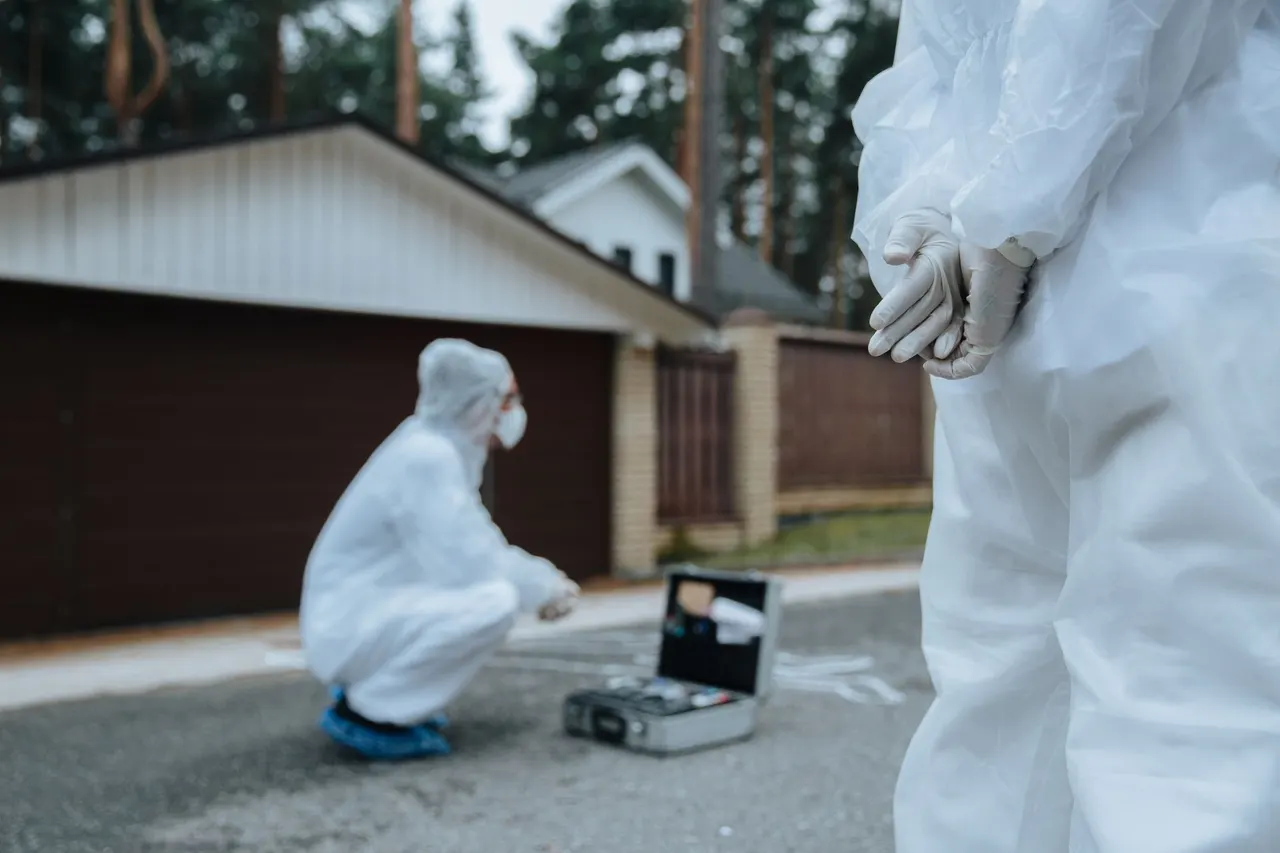
A technician inspects the supply lines, drain hose, and door seal, then meters the floor, baseboard, and adjoining walls with a moisture meter and borescope camera. We photograph everything and show you the wet zones on a tablet so you know the scope before any equipment gets unloaded.

We pull standing water with a water extraction unit, then set air movers and a dehumidifier sized to the cubic footage of the room. Carpet pad that is soaked through gets pulled and bagged. Setup usually takes 60 to 90 minutes, and you can stay in the house the whole time.
We come back each day to log moisture readings with a hygrometer and infrared thermometer, reposition equipment, and check the ceiling below for new staining. Most laundry room water extraction Frisco jobs run 3 to 5 days of drying depending on how long the water sat.
Once readings hit dry standard, we remove the equipment, confirm the leak repair is holding, and hand you a drying report with photos and daily readings. If drywall or baseboard needs replacement, we note it so your repair crew or adjuster has a clear scope.
Pin and pinless meters find water inside drywall, baseboard, and subfloor. The hygrometer tracks ambient humidity so we know when the room has actually dried, not just when the surface feels dry.

Infrared imaging shows temperature differences caused by evaporating water. It is how we find a hidden wet zone behind a wall or in a ceiling without cutting into it first.
A borescope slips behind baseboard and into wall cavities to check for mold growth, wet insulation, and water sitting on the bottom plate. It confirms what the meter is telling us.
Low-grain refrigerant and desiccant dehumidifiers pull moisture out of the air so it does not re-condense on cool drywall. Sizing matters more than brand, and we size to the room volume.
RIDGID and Shop-Vac units pull standing water out of carpet, grout, and subfloor. Extraction first is what shortens the drying window by a full day on most jobs.

Infrared thermometers and pin meters from DeWalt and Milwaukee give us fast, repeatable readings on every visit. Same tool, same spot, same number, so the drying log is actually comparable day to day.

The S500 standard defines how water damage restoration is scoped, extracted, dried, and verified. We follow it on every job, which is why our drying reports hold up when an adjuster reviews the claim.
We read temperature and humidity together to calculate how much moisture the air can hold, then adjust air movers and dehumidifiers to keep the drying chamber in the right range. Guessing at equipment placement is how jobs stall on day four.
We shut off the supply, extract the standing water, pull soaked carpet pad, and set drying equipment across both rooms. The hallway gets metered too, because water wicks under the baseboard faster than it looks. Standing water is gone within hours, and both rooms dry to standard in 3 to 5 days with documentation for your claim.
We dry the laundry room floor and the ceiling cavity below, using a borescope camera to check inside the joist space. If the drywall is saturated past saving, we make a small flood cut and dry the framing. The ceiling is dried or repaired, the leak is fixed, and you avoid a mold problem in the joist cavity.
We meter the wall and floor, check behind the baseboard with a borescope camera, and test for hidden mold growth. If colonies are present, we bring in Texas Department of Insurance licensed mold remediation protocols. The source is found, the affected material is dried or removed, and the musty smell is gone instead of just covered up.
We handle the washer leak repair in Frisco, replace the seal or hose as needed, pressure-test the line, and dry the floor and subfloor underneath. If the drip has been going on for weeks, we meter the baseboard too. The leak stops at the source, the floor dries, and you are not running a fan under the washer every laundry day.
Frisco is mostly slab-on-grade and two-story frame construction, and that shapes how a washer leak plays out. On a slab, water spreads sideways under vinyl plank and tile and has nowhere to drain, so it wicks into the baseboard and the bottom of the drywall. On a second-floor laundry room, the same water finds the ceiling below within 20 minutes. Our summer heat and humidity push drying times longer than a dry-climate city would see, which is why we run dehumidifiers alongside air movers instead of just pointing fans at the floor. If you are searching for washing machine leak water damage 75033 Frisco or 75036 Frisco, we already know the construction patterns in those neighborhoods. We also check the washer shutoff valves on every call, because Frisco's hard water leaves mineral buildup that seizes older valves and turns a small leak into a bigger one.
A supply hose burst while the family was at work. Water ran for roughly four hours, spreading from the laundry room into the hallway carpet and soaking the baseboard 8 inches up the wall. The ceiling below showed a fresh stain about 2 feet wide.
We extracted 12 gallons of standing water, pulled the soaked carpet pad, and set 6 air movers and a dehumidifier across both rooms. Readings hit dry standard in 4 days. The ceiling below dried without a flood cut, and the hose and fittings were replaced and pressure-tested.
Replace rubber washer hoses with braided stainless steel every 5 years, and shut off the supply valves when you leave town for more than a few days.
A pinhole leak in the drain hose dripped for about three weeks before the homeowner noticed a musty smell and a swollen baseboard. The moisture meter read 28 percent in the drywall, well above the dry standard for the area.
We made a 12-inch flood cut, dried the wall cavity and bottom plate over 5 days, and replaced the hose and drain fitting. Final readings came in at 11 to 13 percent, matching a dry reference point in an unaffected wall. Drywall was patched and painted.
Check the drain hose for cracks every 6 months, and leave the laundry room door open after a load so humidity does not sit in the room.
An overloaded washer overflowed and sent water across the tile floor into an adjacent closet. The closet carpet and pad were soaked, and water had wicked under the baseboard into the drywall on both sides of the doorway.
We extracted the standing water, removed the closet carpet pad, and set drying equipment in both rooms. The drywall dried in place without a flood cut because we started within 6 hours. Total drying time was 3 days, and the closet carpet was re-stretched after the pad was replaced.
Do not overload the drum, and check that the drain hose is seated in the standpipe before every load so it cannot pop out mid-cycle.
Most washer leak calls fall into a handful of patterns. Knowing which one you have tells us what to bring and how long the drying will take.
We extract standing water, meter the wall cavity and subfloor, and set drying equipment the same day. If the ceiling below is wet, we dry it from both sides when possible instead of cutting it out. Water runs for hours before anyone notices, soaking the subfloor, baseboard, and often the ceiling below. Mold can start within 24 to 48 hours.

We use a moisture meter and thermal imaging camera to map how far the water traveled, then dry the affected materials and replace the hose and fittings. Catching it before the subfloor delaminates saves thousands. A slow leak soaks the plywood subfloor and baseboard over weeks. By the time you see a stain, the damage is often deeper than it looks.
We pull the standing water with an extraction unit, remove soaked carpet pad, and set air movers and a dehumidifier. Most overflow jobs dry in 3 to 4 days if we start the same day. A clogged drain or overloaded tub dumps water across the floor and into the hallway or closet. Carpet pad and baseboard absorb it fast.
We check the ceiling with an infrared thermometer, dry the cavity from above when possible, and repair the drywall once readings hit dry standard. Catching it on day one usually avoids a full ceiling replacement. Second-floor laundry rooms in Frisco send water straight into the kitchen or living room ceiling. A ceiling water stain means the drywall above is already saturated.
We arrive with a water extraction unit and wet/dry vacuum to pull standing water out of carpet, grout lines, and the plywood subfloor. Most laundry room flood cleanup Frisco TX jobs hit dry-floor status within 3 to 6 hours of arrival, which cuts the total drying window by a full day.
A moisture meter and thermal imaging camera show us what the eye misses, including water behind baseboard, inside the wall cavity, and under vinyl plank. We mark wet zones with tape so you can see exactly what we found and where we are drying.
Second-floor laundry rooms are common in Frisco, so we always check the ceiling below with an infrared thermometer. Catching a washing machine leak ceiling damage Frisco issue on day one usually means drying the drywall instead of cutting and replacing it.
We log moisture readings with a hygrometer every visit and keep drying until the numbers match a dry standard for Collin County. You get the readings in writing, which is exactly what your insurance adjuster wants to see when the claim is reviewed.
Clear records you can keep and share.
Daily moisture readings and photos
Marked wet zones before drying starts
Run times for every air mover and dehumidifier
A washer leak is rarely just a wet floor. Water travels under flooring and into wall cavities, and the damage you can see is usually smaller than the damage you cannot.
On a slab, water spreads under vinyl plank and tile instead of draining away. By the time it shows at the baseboard, the subfloor underneath is often already wet.
Soaked carpet pad holds water against the subfloor and will not dry with a fan on top. We pull it, dry the subfloor, and replace the pad before the carpet goes back down.
A floor can feel dry and still be wet inside the wall. We keep drying until the meter matches a dry reference point, not until the surface feels dry to the touch.
Outside these areas? Call us and we will let you know if we can help. (945) 297-3238
Typical 2026 pricing in Frisco runs $450 to $1,800 for extraction and drying on a single laundry room, and $2,500 to $6,500 if the ceiling below or a hallway wall is involved. The biggest cost drivers are how long the water sat, whether carpet pad needs replacement, and how many days of drying equipment are required. We give you the number before we start, not after.
Yes, and it usually does both. Water wicks under vinyl plank and laminate within hours, and it climbs drywall through capillary action up to 12 inches above the wet line. Plywood subfloor can delaminate if it stays wet for more than 48 hours. That is why we meter the wall cavity and the subfloor on every call instead of just drying the surface.
Most Texas homeowners policies cover sudden and accidental discharge from a washing machine hose, including extraction, drying, and drywall repair. What they typically do not cover is damage from a slow leak you knew about and ignored. We document the cause of loss with photos and moisture readings so your adjuster has what they need to process the claim.
Mold can begin growing on wet drywall, insulation, and carpet pad in 24 to 48 hours, especially in a closed laundry room with no airflow. If the leak went unnoticed for a week, you may already have colonies behind the baseboard. We check with a borescope camera and thermal imaging, and we bring in Texas Department of Insurance licensed mold remediation protocols when growth is present.
Water sitting under your washer right now is water soaking into your subfloor. Call (945) 297-3238 and we will dispatch a truck, shut down the leak, and start extraction the same day. Upfront pricing before we start.
Call us at (945) 297-3238 or email info@rapiddryfrisco.com. We answer the phone 24/7 for emergencies and schedule same-day visits for non-emergency calls. If you are in Frisco or anywhere in Collin County, we can be at your door fast.