Written moisture report
Photos, readings, and drying log
Dishwasher leak water damage Frisco TX homeowners call us about usually starts behind the kickplate, where you cannot see it until the cabinet base swells or the floor starts to cup. We pull the unit, trace the source, extract standing water, and dry the cabinet, subfloor, and drywall before mold gets a foothold. If your kitchen floor is wet right now, call (945) 297-3238.
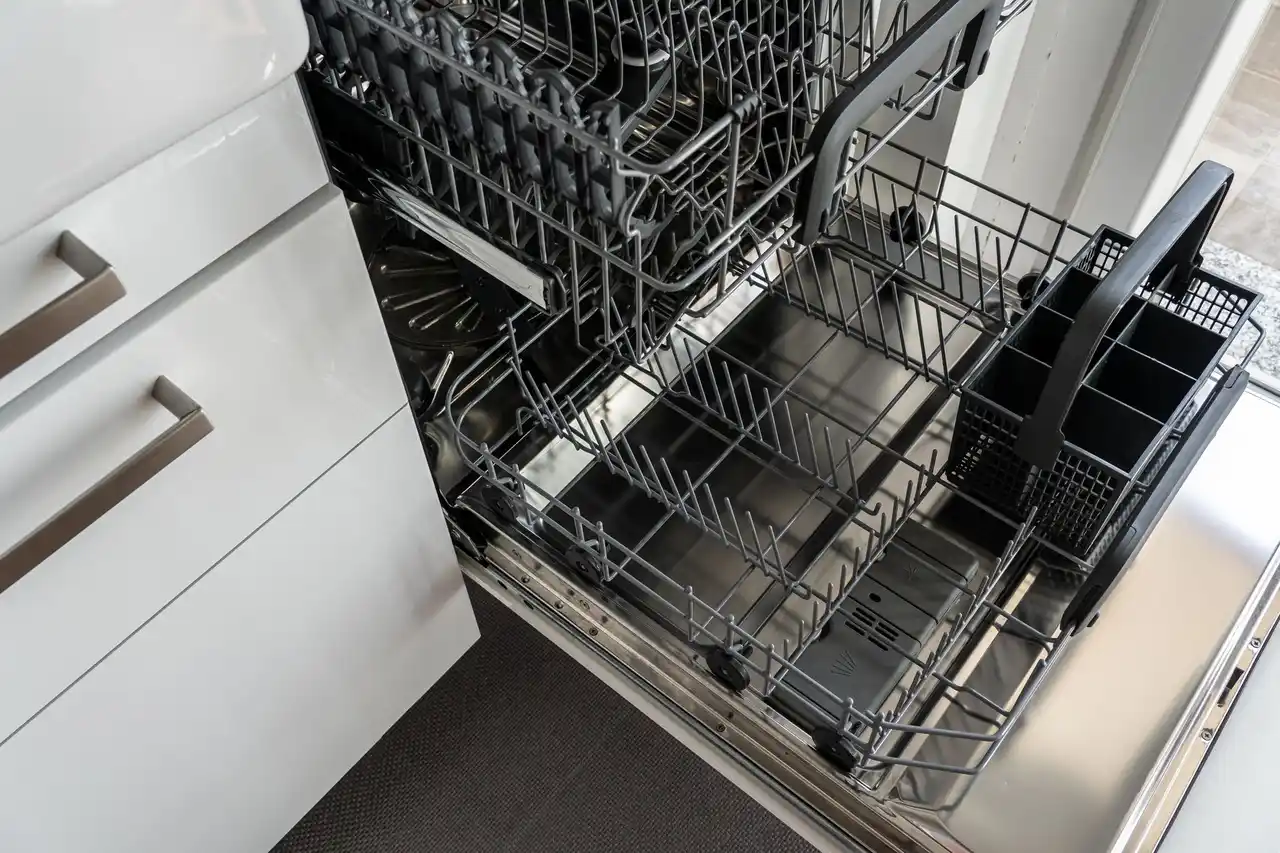
Every job starts with inspection and ends with a moisture report. What happens in between depends on how far the water traveled and what materials got wet. Here is what is included in a standard dishwasher leak response, and what we scope separately.
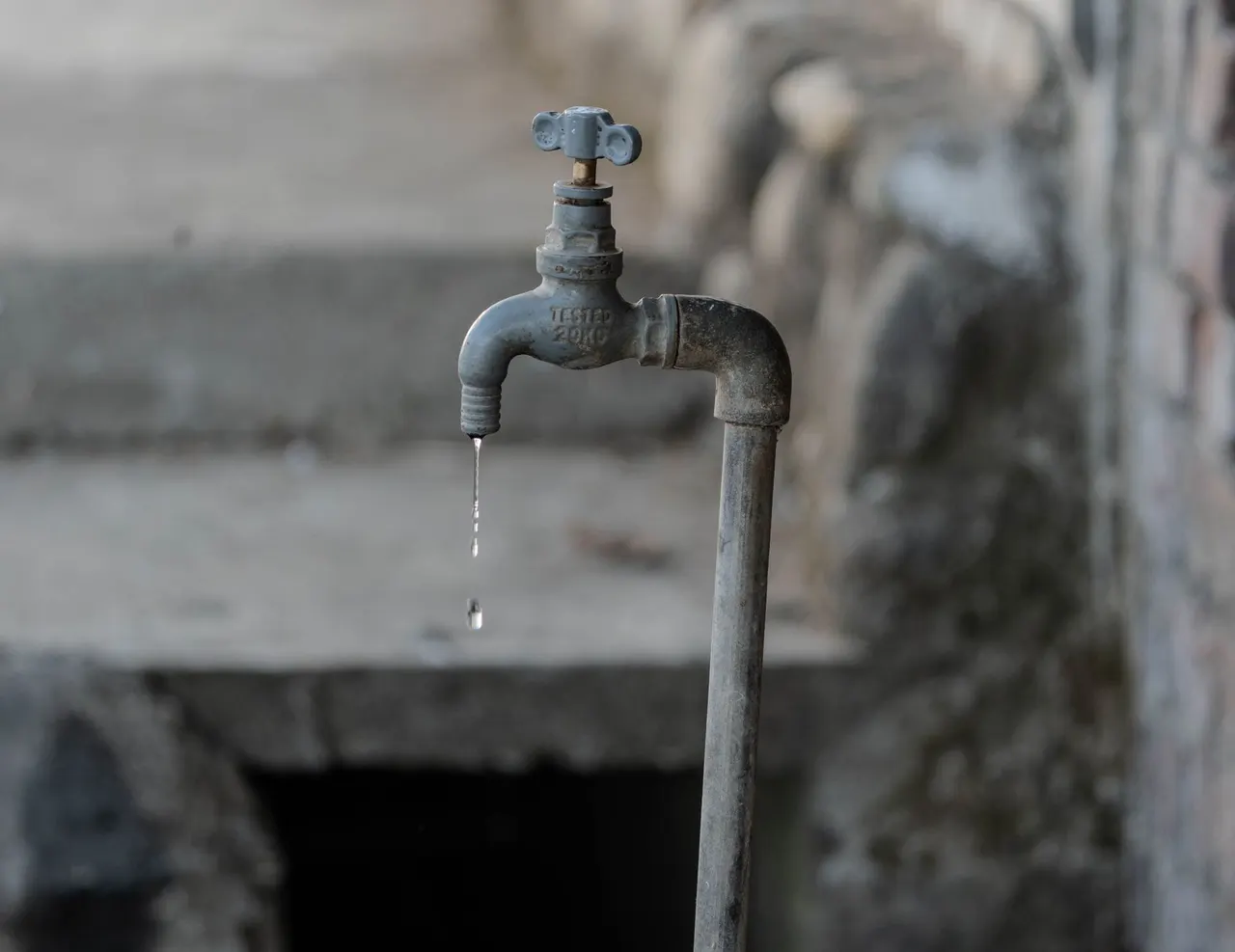

We handle dishwasher leaks in houses, townhomes, and apartments across Frisco. Our team extracts standing water, dries the cabinet base and subfloor, and gives you readings that show the structure is dry.
We work with property managers, landlords, and business owners across Frisco on dishwasher leak cleanup. Our team documents the loss, dries the structure, and coordinates with your insurance adjuster.
Dishwasher leak water damage Frisco TX is the inspection, water extraction, and structural drying work that follows a failed door gasket, split supply line, or loose drain hose on a dishwasher. Water escapes in small amounts over many cycles, so it wicks into the plywood subfloor, cabinet toe kicks, and the drywall behind the unit. We use a moisture meter and thermal imaging camera to map the wet zone, then dry it to IICRC WRT standards so the damage does not spread.
Most Frisco calls we run start the same way: a homeowner notices the laminate bubbling near the sink or a musty smell under the cabinet. By then, the dishwasher leak cabinet water damage has usually been running for days or weeks. Frisco homes built in the last twenty years often have engineered hardwood or luxury vinyl plank over a plywood subfloor, and both trap water underneath. If you are searching for dishwasher leak water damage near me, we cover every Frisco ZIP.
We find where the water went, not just where you can see it.
Five steps, in order, every time. You will know what is happening and why before we start, and you will get readings at the end that show the structure is dry.
You call (945) 297-3238 and describe what you see. We ask whether water is still running, whether the breaker is off, and whether the cabinet base is swollen. If the leak is active, we walk you through shutting the supply valve under the sink before we arrive. Typical response across Frisco is same-day, and we work nights and weekends for active leaks.
On site, we pull the dishwasher out and inspect the door gasket, supply line, drain hose, and fittings. A moisture meter and infrared thermometer map the wet footprint across the subfloor, cabinet sides, and the drywall behind the unit. A borescope camera checks the cavity you cannot see. This typically takes 30 to 45 minutes.
Standing water comes out with a water extraction unit and a wet/dry vacuum for the tight corners under the cabinet. We remove the dishwasher if it is holding water in the base. Carpet pad, if any, gets pulled and bagged. Extraction usually runs one to two hours depending on how far the water traveled.
We set air movers and a commercial dehumidifier sized to the wet area. Cabinet toe kicks may be drilled for airflow if the base is saturated. Drying runs two to four days for a typical kitchen, and we check readings daily with a hygrometer and moisture meter. You get the numbers each visit.

When readings match the dry standard for the material, we pull equipment and give you a final moisture report with photos. If any drywall or baseboard needs repair, we scope that separately. We also show you how to check the supply line and door gasket so the next leak does not get a head start.
Reads moisture content in plywood subfloor, drywall, and cabinet bases. We use it to map the wet zone and to confirm the structure is dry before pulling equipment.
Shows temperature differences that reveal hidden water behind cabinets and under flooring. It finds the wet spots a visual inspection would miss.
Slides behind the cabinet and into wall cavities to inspect the space you cannot see. We use it to check for mold, standing water, and damaged materials.
Pulls standing water out of the kitchen fast. Getting bulk water out in the first visit cuts drying time and reduces how much flooring and cabinet base you replace.
Removes moisture from the air so wet materials can release water. Without it, air movers just circulate humid air and drying stalls.
Direct airflow across wet surfaces and into cabinet bases to speed evaporation. We position them based on the moisture map, not a fixed pattern.
Reads relative humidity in the drying zone. We use it alongside moisture meter readings to confirm the structure is drying at the right rate.
Water Restoration Technician standards guide how we classify the water, inspect the loss, and document the job. Every drying decision on your kitchen follows this protocol, not a guess based on how the floor feels.
We shut the supply valve, pull the dishwasher, and extract the standing water. A moisture meter maps how far it spread under the cabinet base and into the subfloor. Air movers and a dehumidifier go in the same visit. Water is out, the leak source is identified, and drying starts within hours instead of days. Most jobs like this dry in two to three days.
We inspect with a moisture meter and thermal camera, then dry the subfloor and flooring from above and below where possible. If the flooring cannot be saved, we document it for your claim and remove only what is damaged. You know exactly what is wet, what can be saved, and what needs replacement. No guesswork, no surprise scope.
We use a borescope camera and moisture meter to find hidden water behind the cabinet and under the subfloor. If mold is present, we dry the structure and coordinate with licensed mold remediation. The hidden leak is found, the moisture is dried out, and the mold risk is addressed before it spreads to the rest of the kitchen.
We extract the standing water, pull any wet carpet pad, and set drying equipment across the kitchen and hallway. Moisture readings confirm the subfloor and baseboards are dry before we finish. The floor dries without cupping, the baseboards stay in place, and you have documentation if you decide to file a claim.
Frisco sits in Collin County, and the housing stock here shapes how we handle a dishwasher leak. Most homes built in the last twenty years have engineered hardwood or luxury vinyl plank over a plywood subfloor, and both trap water underneath. Slab-on-grade construction is common, which means water spreads sideways along the slab before it shows up as a stain in the next room. We see dishwasher leak wet subfloor Frisco cases in Stonebriar and Panther Creek regularly, usually after a supply line or door gasket has been failing for weeks. Summer humidity in North Texas slows drying, so we run dehumidifiers longer here than in drier climates. Winter freezes can split a supply line overnight, and those calls come in fast. If you are searching for dishwasher leak water damage 75035 Frisco or 75034 Frisco, we know the neighborhoods and the building styles.
A supply line on a GE dishwasher had been dripping for about two weeks. The engineered hardwood near the sink was cupping, and the cabinet base was soft to the touch. Moisture readings showed the plywood subfloor at 28 percent moisture content.
We extracted the standing water, drilled airflow holes in the toe kick, and ran air movers and a Dri-Eaz dehumidifier for four days. Final readings showed the subfloor at 11 percent, and the flooring settled back down without replacement.
Check the supply line and door gasket every six months. If you see any moisture under the cabinet, call us before the floor starts to cup.
A Whirlpool dishwasher door gasket failed and water ran down the cabinet face for weeks. The cabinet base was swollen and the drywall behind the unit was wet to 14 inches up. The homeowner was told the cabinet had to be replaced.
We pulled the dishwasher, extracted the water, and dried the cabinet base and drywall with directed airflow for three days. The cabinet base dried to 10 percent moisture content and stayed structurally sound. Only the drywall needed minor repair.
Replace the door gasket if you see water on the floor after a cycle. A $20 gasket is cheaper than a cabinet rebuild.
A homeowner noticed a brown stain on the ceiling below the kitchen but could not find any water upstairs. A thermal camera traced the moisture back to a slow dishwasher drain hose leak that had been running for over a month.
We dried the joists and ceiling drywall over three days, then cut out and replaced the stained section. Final moisture readings matched the dry standard, and the ceiling was textured to match.
Inspect the drain hose connection under the sink once a year. If you see a ceiling stain, call us before the drywall sags.
A dishwasher leak rarely announces itself. By the time you see the damage, water has usually been running for days. These are the problems we see most in Frisco kitchens.
We extract standing water, drill small airflow holes in the toe kick if needed, and dry the cabinet base and subfloor with air movers and a dehumidifier. Daily readings confirm the structure is dry before we pull equipment. The plywood subfloor swells, the cabinet base delaminates, and mold can start within 24 to 48 hours in a closed cabinet.
We map the wet zone with a moisture meter, dry from the top and, where possible, from underneath. If the floor can be saved, we save it. If not, you get photos and readings for your claim. Water wicks under the plank and swells the core. Left alone, the floor cups, separates, and has to be replaced instead of dried.
We dry the structure first, then coordinate with Texas Department of Insurance licensed mold remediation if growth is confirmed. Our IICRC AMRT training means we know where to look and what to document. Mold growth on drywall and cabinet backing spreads into the kitchen air and can trigger allergies or worse for sensitive family members.
We trace the path with a thermal imaging camera, dry the joists and ceiling drywall, and repair the stain after drying. If the drywall is too far gone, we cut it out and replace it. Water travels along joists and shows up as a stain one floor down, which usually means the leak has been running longer than the homeowner realized.
We do not start drying until the leak is stopped. Our techs shut the supply valve, pull the dishwasher, and identify whether the failure is the door seal, the inlet hose, the drain line, or a cracked fitting. If it is a plumbing repair, we tell you straight and coordinate with a state-licensed plumbing contractor before we set equipment.
Visible water is maybe a third of the problem. We use a borescope camera to look behind the cabinet and a moisture meter to read the subfloor at multiple points. Air movers and a Dri-Eaz dehumidifier run until readings match a dry standard, not until the surface feels dry to the touch.
Dishwasher leak warped hardwood floor Frisco cases are common because water sits under the plank and swells the core. We document moisture content before and after, and where the floor can be saved with drying, we save it. Where it cannot, you get photos and readings for your insurance claim.
Every job gets moisture readings, thermal images, and a written drying log. If you file a claim, your adjuster gets a clean record of what was wet, what we did, and what dried. That paperwork is often the difference between a covered repair and an argument.
Clear records you can keep and share.
Photos, readings, and drying log
Moisture readings at every visit
Formatted for your adjuster
A dishwasher leak rarely shows itself right away. Water runs behind the cabinet and under the floor, so the damage you see is usually the last part of the problem.
Water from a dishwasher leak spreads sideways along the subfloor and slab. It can reach the hallway or the ceiling below before you notice anything in the kitchen.
A floor that feels dry on the surface can still be wet underneath. Moisture meter readings taken over several days are the only way to confirm the structure is actually dry.
Outside these areas? Call us and we will let you know if we can help. (945) 297-3238
Most dishwasher leak water damage Frisco TX jobs run $450 to $2,200 for extraction and drying, and $1,800 to $6,500 if cabinets, flooring, or drywall need replacement. Cost depends on how long the leak ran, how far water traveled, and what materials got wet. We give you a written scope before we start, and we bill insurance direct when your policy covers it.
Yes, and it usually does. Water from a failed door seal or supply line runs along the cabinet base and soaks the plywood subfloor underneath, which you cannot see from the kitchen. That is why we use a moisture meter and borescope camera on every job. Catching it early often means drying only; catching it late means replacing subfloor and cabinet bases.
Most Texas homeowners policies cover sudden and accidental dishwasher leaks, including water extraction, structural drying, and repair. Long-term seepage that you knew about and ignored is usually excluded. We document the loss with photos, thermal images, and moisture readings so your adjuster can see it was sudden. Call your carrier before you file if you are unsure.
A typical Frisco kitchen dries in two to four days with commercial air movers and a dehumidifier running continuously. Engineered hardwood and plywood subfloor often take the full four days; tile over slab can dry in two. We check moisture readings daily and do not pull equipment until the numbers match a dry standard for the material.
Water under a cabinet does not dry on its own, and mold can start in 24 to 48 hours. Call Rapid Dry Frisco at (945) 297-3238 for same-day extraction and drying. We are local, we document everything, and we work with your insurance.
Call us at (945) 297-3238 or email info@rapiddryfrisco.com. We answer the phone 24/7 for emergencies and schedule same-day visits for non-emergency calls. If you are in Frisco or anywhere in Collin County, we can be at your door fast.