Written scope
Room-by-room list of what is wet and what we did
When a supply line bursts or the water heater lets go, water extraction Frisco TX is the first hour that decides how much of your floor and drywall survives. We pull standing water out of carpet, pad, and subfloor, then meter every room to confirm it is dry. Homeowners and property managers across Collin County call us because we show up, we measure, and we tell you exactly what is wet.

Every extraction job starts with a full moisture inspection and ends with documented dry readings. Here is what is covered, and what we quote separately once we see the scope.
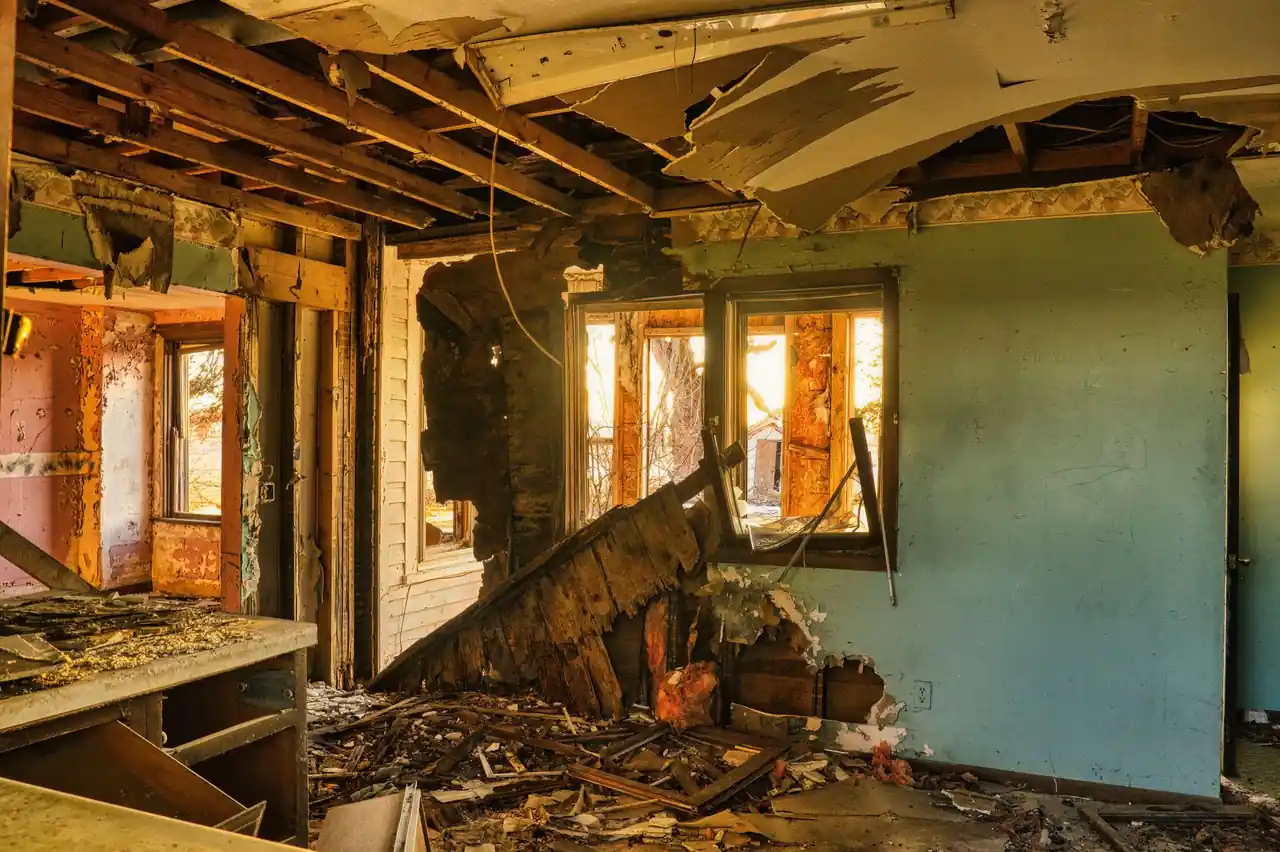
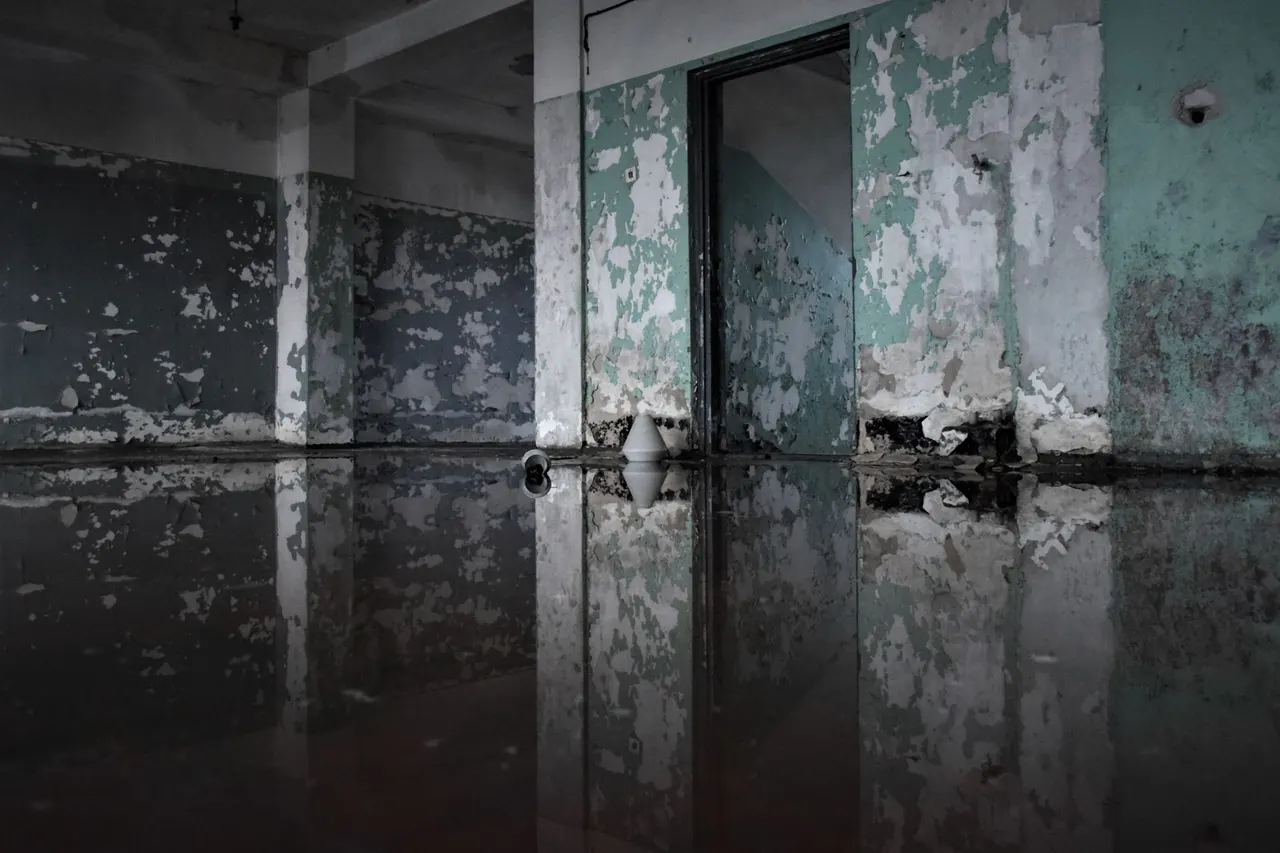
We pull standing water out of carpet, pad, and hard flooring, then dry what soaked into the subfloor and walls. You get moisture readings at the start and at the end, so you can see the room actually dried.
We work around your hours so a leak does not close you down for a week. Extraction and drying get documented room by room, which is what your property manager and insurer need.
Water extraction Frisco TX is the mechanical removal of standing and trapped water from a building using truck-mounted vacuum units and portable extractors. It is not the same as drying. Extraction removes the bulk of the water in the first few hours; drying removes what soaked into materials. Our technicians run a moisture meter and thermal imaging camera across the floor, baseboards, and wall cavities to find where the water traveled, then pull it out with a water extraction unit before it wicks into drywall or the plywood subfloor.
Frisco homes sit on expansive clay soil, and slab leaks, AC condensate overflow, and water heater tank failure are the three calls we run most. A washing machine hose burst at 2 a.m. can put 40 to 60 gallons on the floor before anyone notices. That is why we treat emergency water extraction Frisco as a clock, not a checklist: the longer water sits under carpet pad, the faster hidden mold growth starts, usually within 24 to 48 hours.
Pull the water out first, then measure what is left before calling anything dry.
Five steps, same day. You will know what is wet, what we are doing about it, and when we come back to check it.
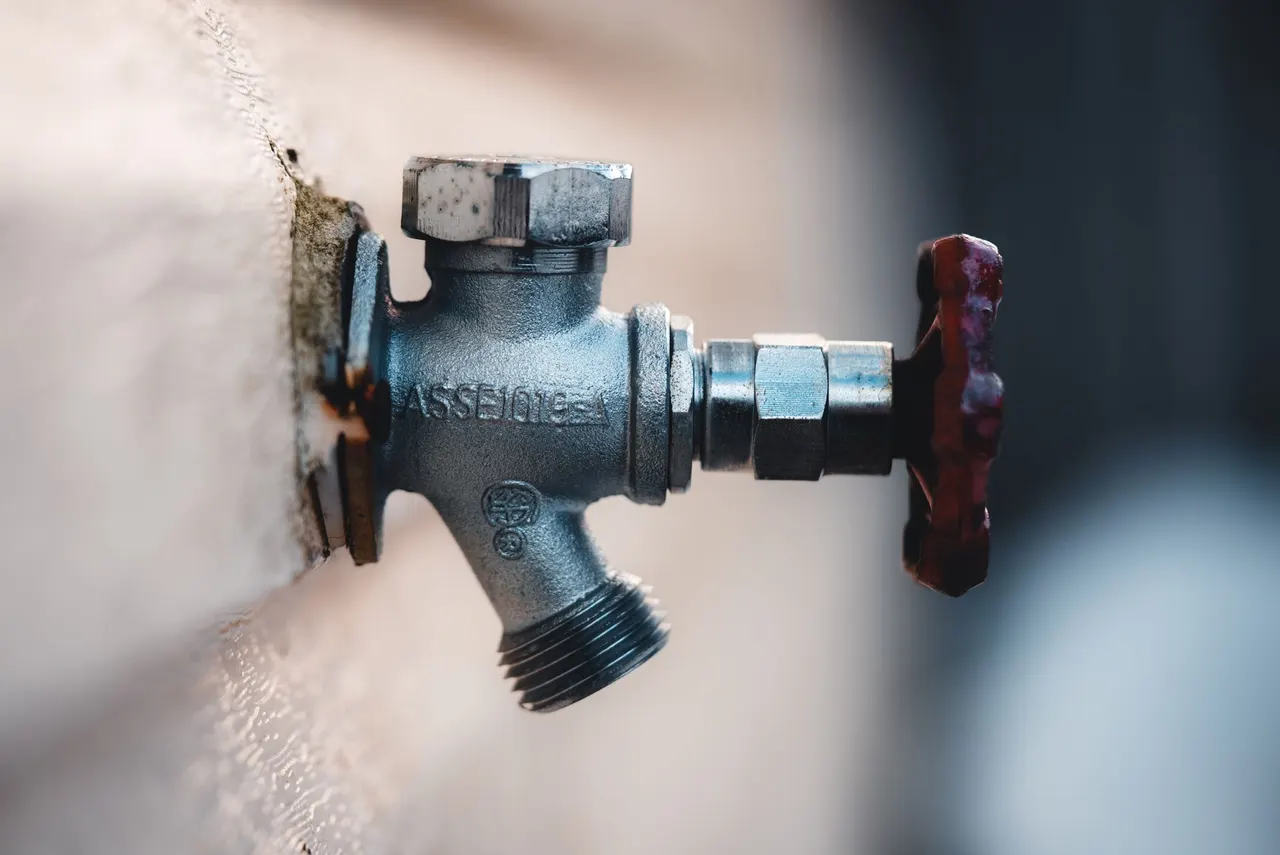
You call (945) 297-3238 and describe what happened. We ask where the water is, whether it is still running, and whether you have shut off the supply. If the source is still live, we walk you through shutting the valve before we arrive. Most Frisco addresses get a technician on site within the hour.
We walk the affected area with a moisture meter and thermal imaging camera, and use a borescope camera to check inside wall cavities. This takes 15 to 30 minutes and tells us how far the water spread. You get a plain explanation of what we found before any equipment comes in.
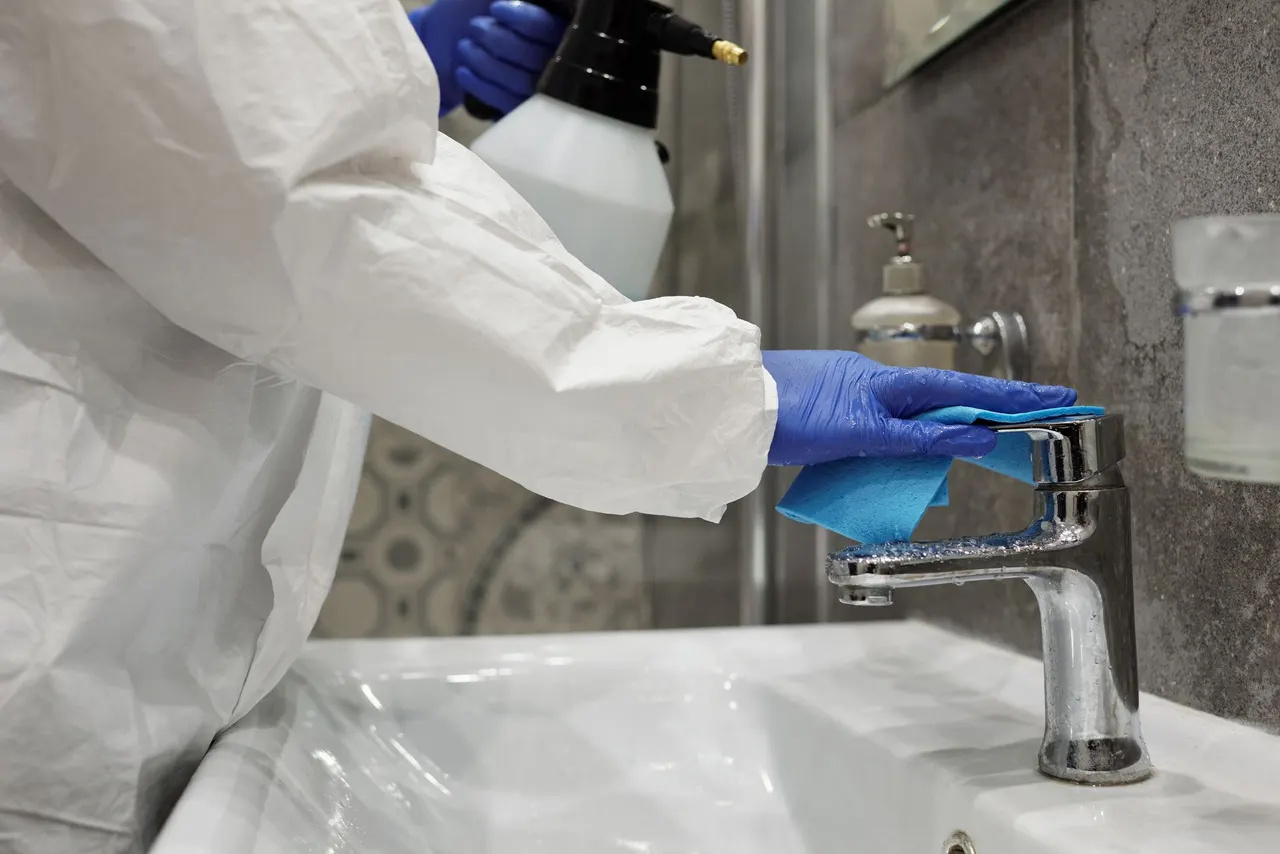
Truck-mounted extraction units pull standing water out of carpet, pad, and hard flooring. A wet/dry vacuum and weighted extraction head handle the edges and low spots. For a typical 200 to 400 square foot room, extraction runs 45 to 90 minutes depending on how much water soaked in.
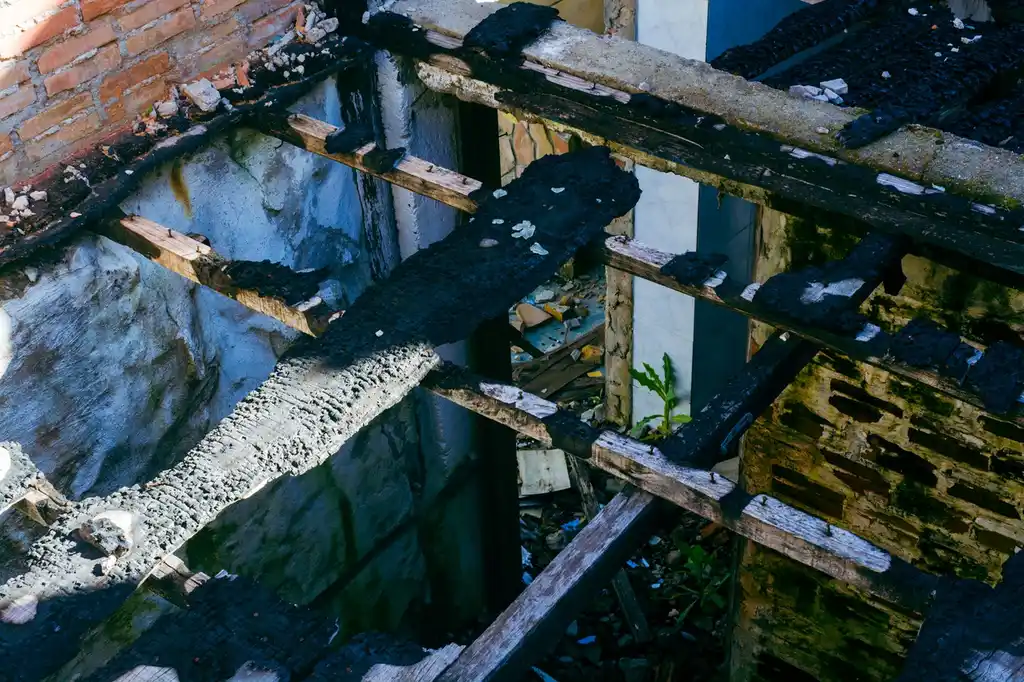
We place air movers and a dehumidifier to dry what extraction could not reach. Carpet pad, baseboard, and drywall wick water upward, so airflow has to hit those surfaces directly. We set the equipment, explain the noise and power draw, and schedule the first check.
We return daily to read the moisture meter and hygrometer and adjust equipment placement. Drying usually takes three to five days. We do not pull equipment until the readings match a dry standard for the material, and we give you the final numbers in writing.

Pulls standing water out of carpet, pad, and hard flooring at high volume. Handles a whole first floor without the downtime of emptying a portable tank.
Reads moisture content in drywall, subfloor, and framing, and tracks relative humidity in the air. These numbers set the dry standard and tell us when to pull equipment.

Shows temperature differences that reveal hidden moisture behind walls and under floors without cutting anything open.
Looks inside wall cavities and under cabinet bases to confirm whether water reached framing that a meter on the surface cannot read.
High-velocity airflow across wet surfaces to speed evaporation from baseboard, drywall, and subfloor.
Pulls moisture out of the air so it stops re-wetting materials that are already drying. Sized to the room, not the whole house.
Handles edges, low spots, and small areas the truck mount cannot reach, plus final passes on hard flooring.
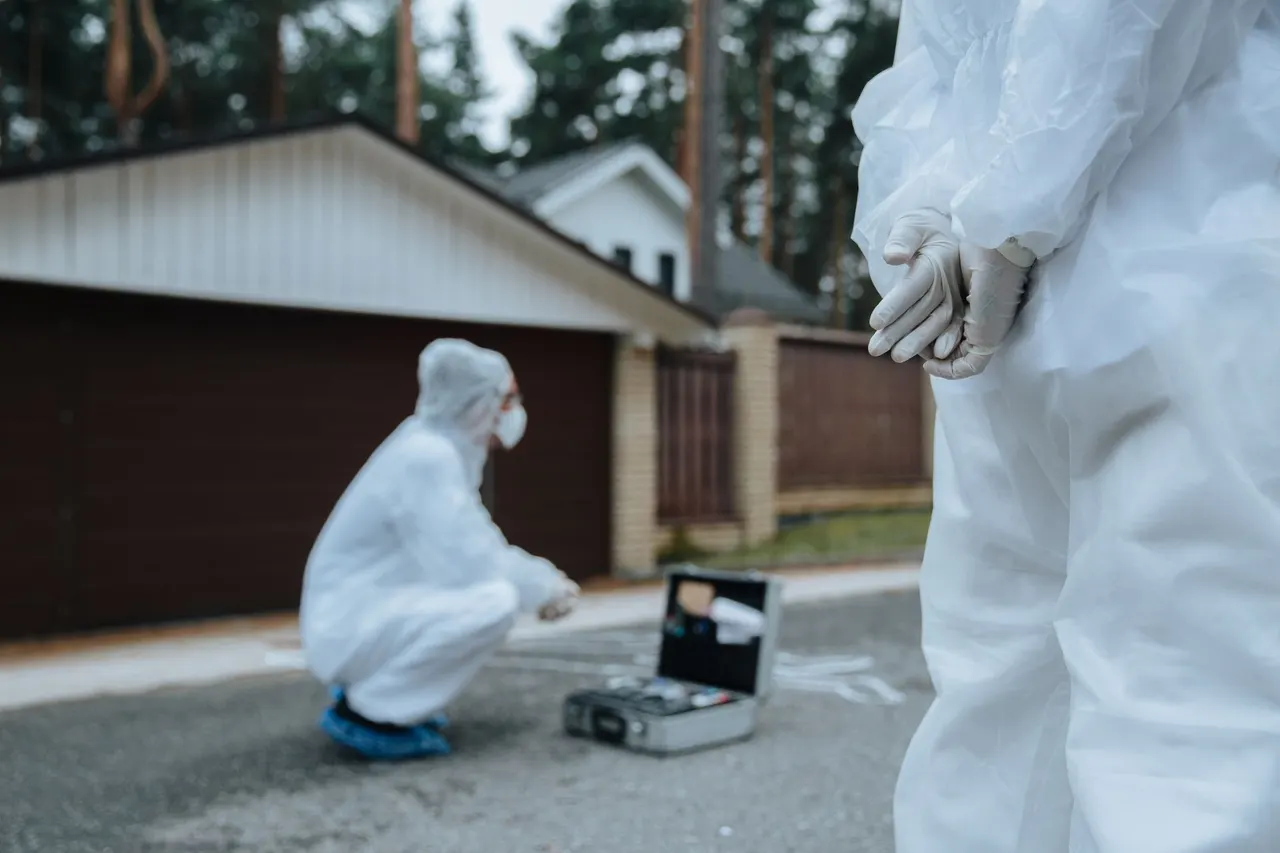
We follow the IICRC Water Restoration Technician standard for extraction and drying: remove the bulk water first, then dry to a documented standard per material. That means readings, not eyeballing, decide when a room is done.
We shut off the supply, extract standing water from the tile and carpet, pull the saturated pad, and dry the subfloor and the wall behind the unit. A moisture meter confirms the wall cavity is dry before we leave. Carpet and subfloor saved, no warped baseboards, and a written scope for the insurance claim.
We extract the standing water, check the drywall and baseboard for wicking, and set air movers and a dehumidifier. A hygrometer tracks the drop in humidity over three days. Garage slab and closet dry in three days, no musty smell, and no drywall replacement needed.
Because the water is contaminated, we remove affected carpet and pad rather than dry them, extract the subfloor, apply an antimicrobial, and dry the ceiling joists and drywall from below. Contamination removed, framing dried to a documented standard, and the ceiling repaired once readings were normal.
We trace the line, extract water from under the boards, and set drying mats on the hardwood. Daily moisture meter readings track the wood as it dries evenly. Hardwood settled back flat without replacement, and the failed fitting was identified for repair.
Frisco sits on expansive clay soil, and that changes how water behaves under a slab. A slab leak or a supply line burst can send water sideways under the foundation before it ever shows on the floor. We see it most in the older sections near Panther Creek and The Trails, where original supply lines and pipe fittings are reaching the end of their service life. AC condensate overflow is the other big one: Frisco summers run the AC hard from May through September, and a clogged drain line puts water into a ceiling or closet for days before anyone notices the stain. Winter brings the opposite problem. A hard freeze can split a hose bib or an exterior supply line, and the damage shows up when it thaws. When you search for water extraction 75034 Frisco or 75035 Frisco, you are usually in one of those two situations. We keep extraction units and drying equipment on the truck so the first visit is the working visit, not an assessment.
A burst hose put water across the laundry room tile and into 300 square feet of hallway carpet. The pad was saturated and water had reached the baseboard in two rooms. The homeowner found it about four hours after it started.
We extracted 55 gallons of standing water, pulled the saturated pad, and dried the subfloor and baseboards over four days. Final moisture meter readings matched the dry standard in every room, and the carpet was saved.
Replace rubber washing machine hoses with braided stainless steel lines and check the connections twice a year. A $30 hose swap prevents a $4,000 floor replacement.
A 50-gallon water heater tank failed overnight and put water across the garage slab and into an adjacent closet. Drywall in the closet had wicked water 8 inches up from the baseboard.
We extracted the standing water, cut out the saturated drywall section, and dried the framing and slab over three days. New drywall went in after the framing passed a moisture meter check.
Flush the water heater once a year and watch for rust-colored water or popping sounds. Both are early signs the tank is close to failing.
A slow ice maker line leak ran behind the refrigerator for weeks. The homeowner noticed cupping hardwood near the kitchen and a soft spot in the cabinet base. Water had reached the plywood subfloor.
We extracted water from under the boards, set drying mats on the hardwood, and dried the subfloor over four days. The boards settled back flat and the cabinet base dried without replacement.
Check the ice maker line and connection behind the fridge every six months. A quick look for moisture or a kinked line catches the leak before the floor moves.
Most water damage calls in Frisco start small and get expensive because nobody measured the moisture. These are the problems we see and how we handle them.
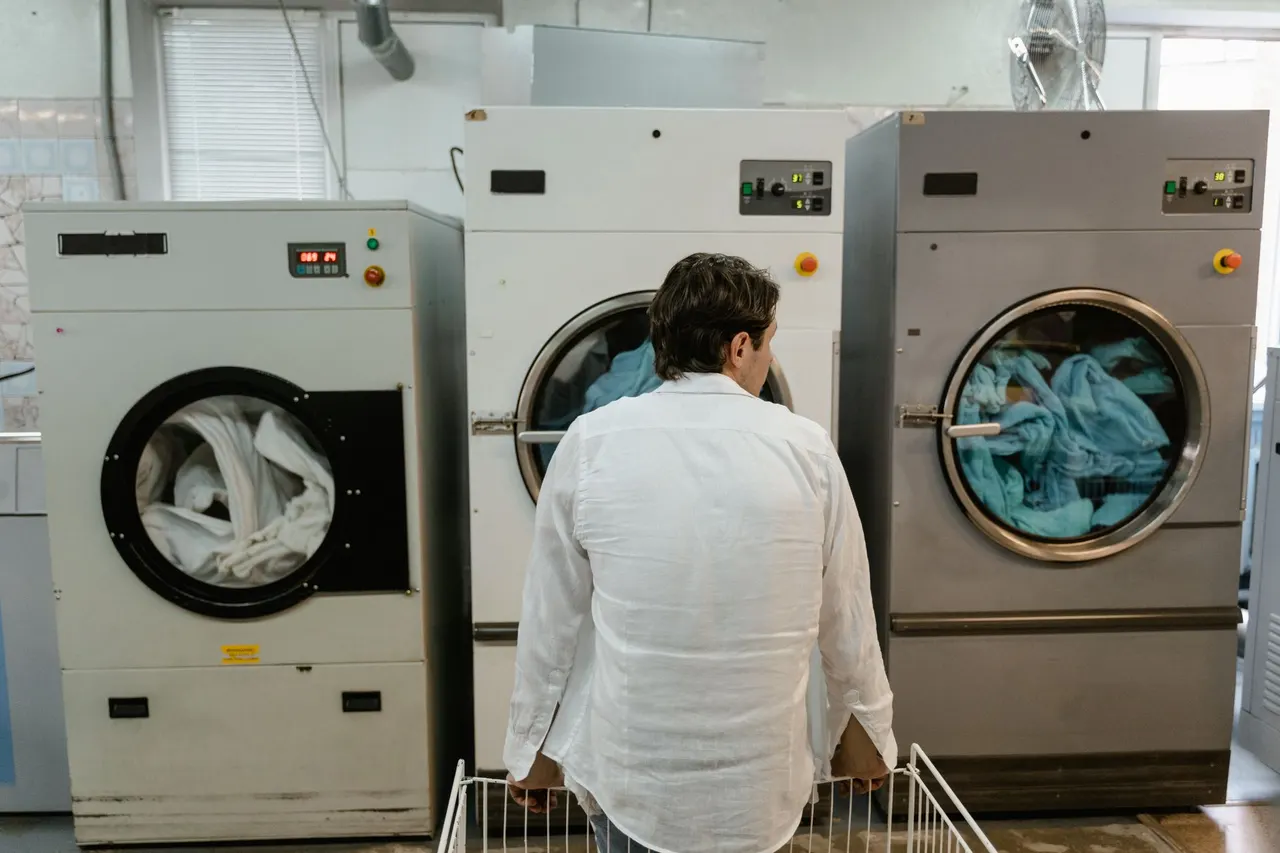
We use a moisture meter and thermal imaging camera to find water under the boards, extract what we can reach, and set drying mats to pull moisture out of the wood and subfloor. Catching it early is the difference between refinishing and replacing the floor. Hardwood cups, crowns, and separates at the seams within a week if the subfloor stays wet. By the time you see it, the boards are already moving.

We trace the moisture with a thermal imaging camera and borescope camera, extract and dry the affected area, and tell you where the water is coming from. If it is an AC condensate overflow, we check the pan and drain line so it does not repeat. Water from an upstairs bathroom, AC condensate line, or roof leak travels along joists before it shows. Ignoring the stain means the framing stays wet and the drywall eventually fails.
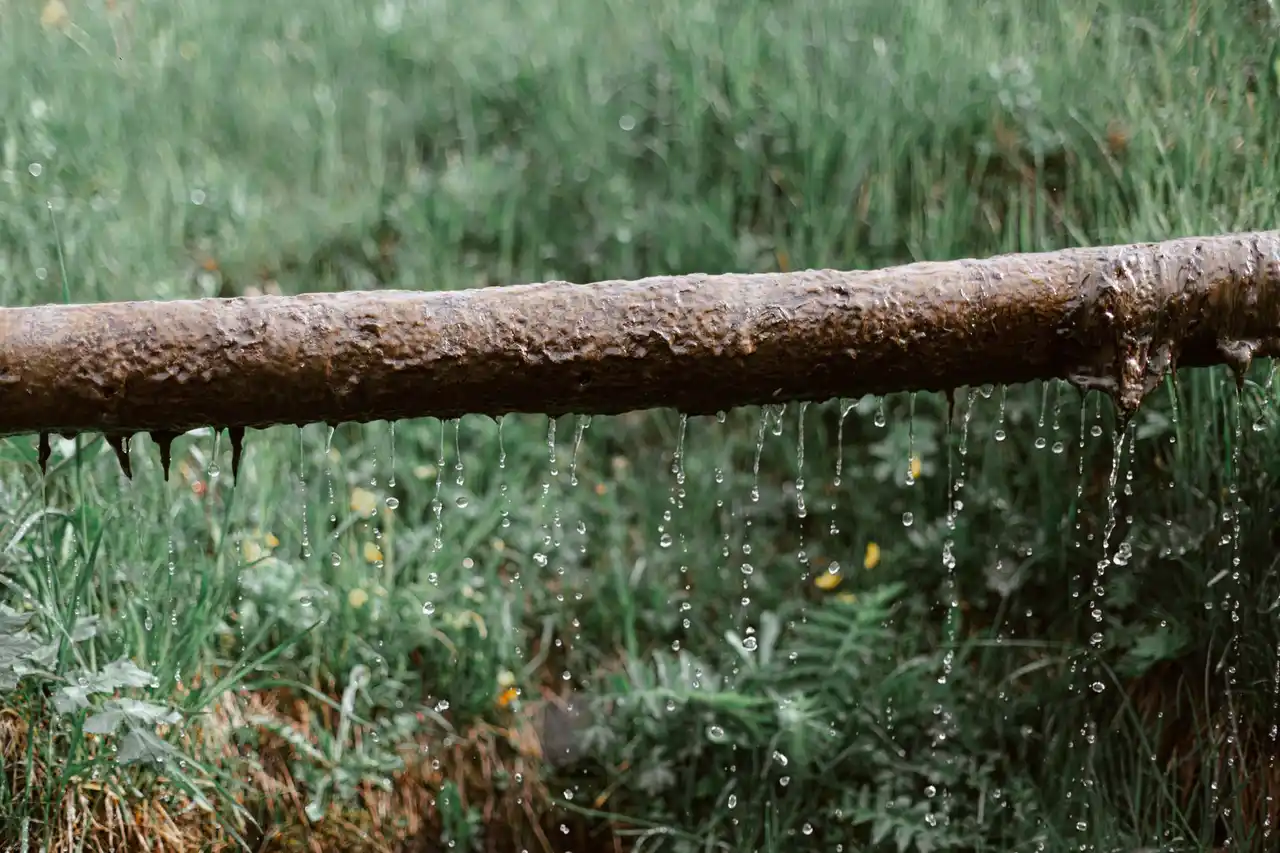
We lift a corner and check the pad on every carpet job. If it is saturated, we pull it, extract the subfloor, and dry the area. Replacement pad is inexpensive compared to replacing a subfloor. Pad holds water like a sponge. Left in place, it keeps the subfloor wet and feeds hidden mold growth within 24 to 48 hours, even if the carpet on top feels dry.
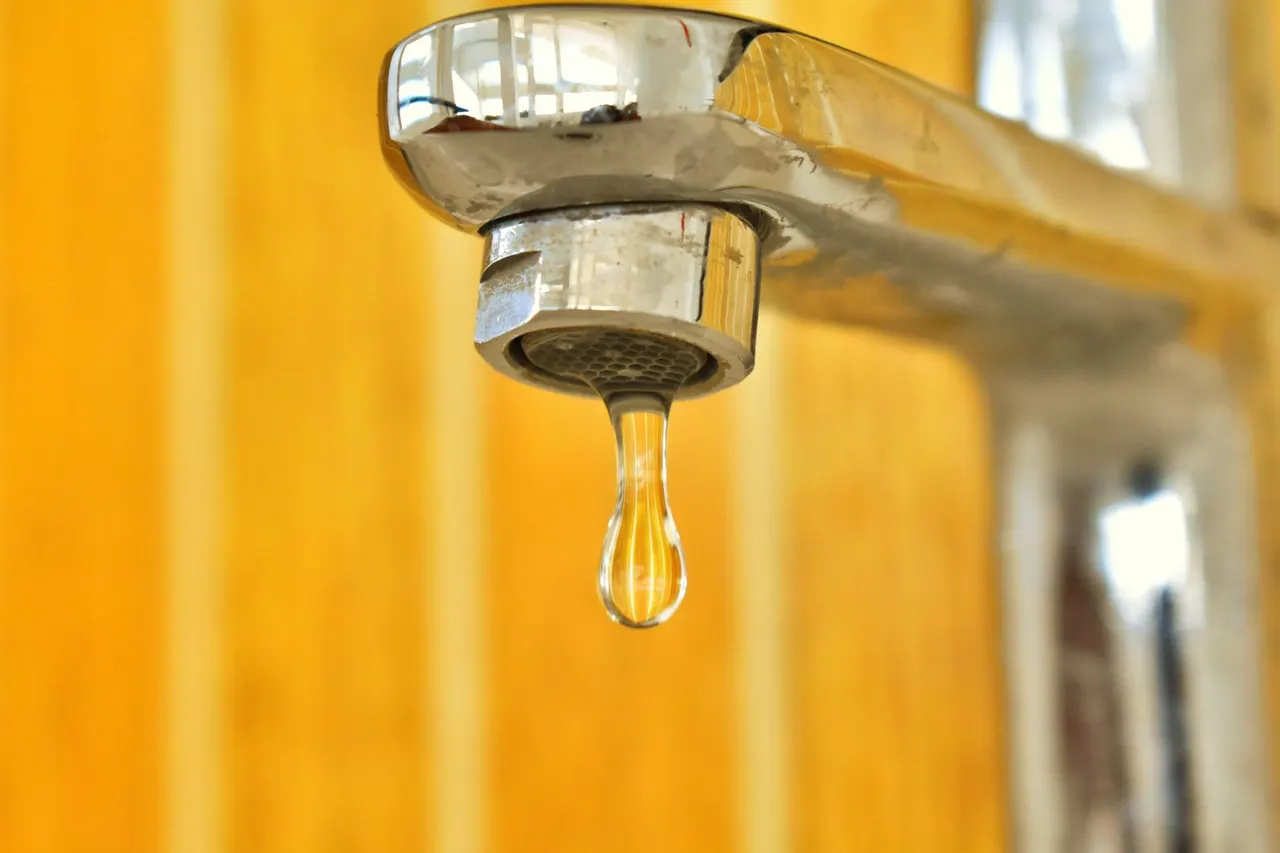
We extract the water, dry the cabinet base and drywall, and check the fittings and caulk while we are in there. We tell you what failed so a state-licensed plumbing contractor can fix the source, not just the symptom. A pinhole leak in a supply line or a failed pipe fitting drips for weeks. The cabinet base swells, the drywall behind it softens, and you find out when the shelf sags.
Wet carpet water extraction Frisco done within the first 12 to 24 hours saves most synthetic carpet and often the pad. We pull water with a weighted extraction head, then lift a corner to check the pad. If the pad is saturated, we replace it and dry the subfloor underneath.
Mold needs 24 to 48 hours of moisture to colonize drywall paper and insulation. Extracting water and running air movers and a dehumidifier the same day drops the moisture content fast enough that most jobs never reach that point. We log readings so you can see the drop.
Plywood subfloor delaminates and swells when it stays wet for days. Hardwood floor water extraction Frisco jobs get special care: we extract between boards, set drying mats, and monitor with a hygrometer so the wood dries evenly instead of cupping at the seams.
We photograph wet materials, record moisture readings room by room, and hand you a written scope. That documentation is what your adjuster needs to approve the claim without three follow-up visits. One clear report beats a dozen phone calls.
Clear records you can keep and share.
Room-by-room list of what is wet and what we did
Start and end numbers for every affected material
Images of affected areas before and after drying
Extraction removes standing water and the bulk of what is in carpet and pad. Drying removes the moisture that soaked into materials a vacuum cannot reach. You need both to close out a water loss.
Truck-mounted units pull standing water out in one to three hours. This is the step that stops water from spreading further into the room.
Air movers and a dehumidifier run for three to five days to pull moisture out of subfloor, drywall, and framing. Daily readings track the drop.
A room can feel dry and still fail a moisture meter check. We keep drying until the readings match the standard for that material, not until it looks dry.
Outside these areas? Call us and we will let you know if we can help. (945) 297-3238
Most residential water extraction jobs in Frisco run $450 to $1,800 in 2026, depending on square footage and how much water soaked in. A single room with wet carpet sits at the low end. A whole first floor with water under hardwood and into drywall runs higher. Drying equipment, daily monitoring, and any material removal are separate line items, and we give you the full number before we start.
We shut down the source if it is still running, then map the moisture with a thermal imaging camera and moisture meter. Next we pull standing water with truck-mounted extraction units, check the carpet pad, and set air movers and a dehumidifier. You get a written scope the same day. Extraction itself usually takes one to three hours; drying runs three to five days with daily checks.
Extraction alone is rarely enough. It removes standing water and the bulk of what is in carpet and pad, but water wicks into baseboard, drywall, and the plywood subfloor where a vacuum cannot reach. Those materials need air movers and a dehumidifier to dry to a safe moisture content. Skipping drying is how a floor that looks fine grows hidden mold growth two weeks later.
Yes, in most cases, if extraction starts within 12 to 24 hours and the water was clean. Wet carpet water extraction Frisco jobs save synthetic carpet regularly. The pad is usually the casualty: it holds water like a sponge and is cheap to replace, so we typically pull it and dry the subfloor. Carpet soaked by toilet overflow or other contaminated water gets removed instead.
Water spreads while you wait. Call (945) 297-3238 and we will get a technician moving to your address, map the moisture, and start pulling water out the same day. Free estimate before any work begins.
Call us at (945) 297-3238 or email info@rapiddryfrisco.com. We answer the phone 24/7 for emergencies and schedule same-day visits for non-emergency calls. If you are in Frisco or anywhere in Collin County, we can be at your door fast.