Moisture readings
Daily log of dry-down progress
When a toilet leak water damage Frisco TX situation hits your home, every minute matters. We pull the standing water, dry the subfloor and drywall, and stop mold before it starts. Whether it is a toilet overflow water damage Frisco emergency or a slow supply line drip, our crew handles the mess from extraction to finished repair.
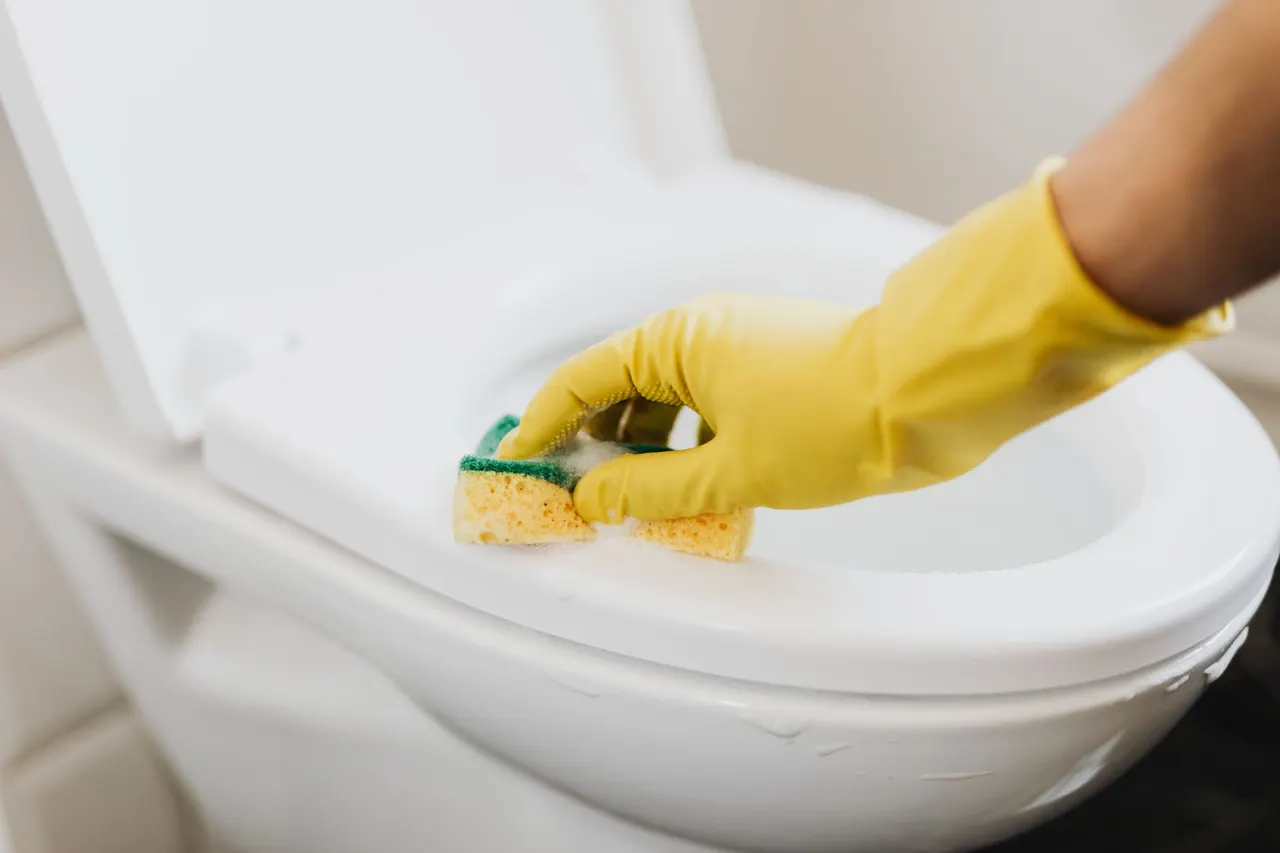
Every job starts with an inspection and ends with a dry, finished space. Here is what is covered in a standard toilet leak water damage Frisco TX service call, and what we handle as an add-on when the damage is deeper.

We handle toilet leaks in houses, condos, and rentals across Frisco. You get the water out, the structure dried, and the repair finished in one job.
We work with property managers and business owners on toilet leaks that affect tenants or customers. The job is scheduled around your hours so the space gets back in service fast.
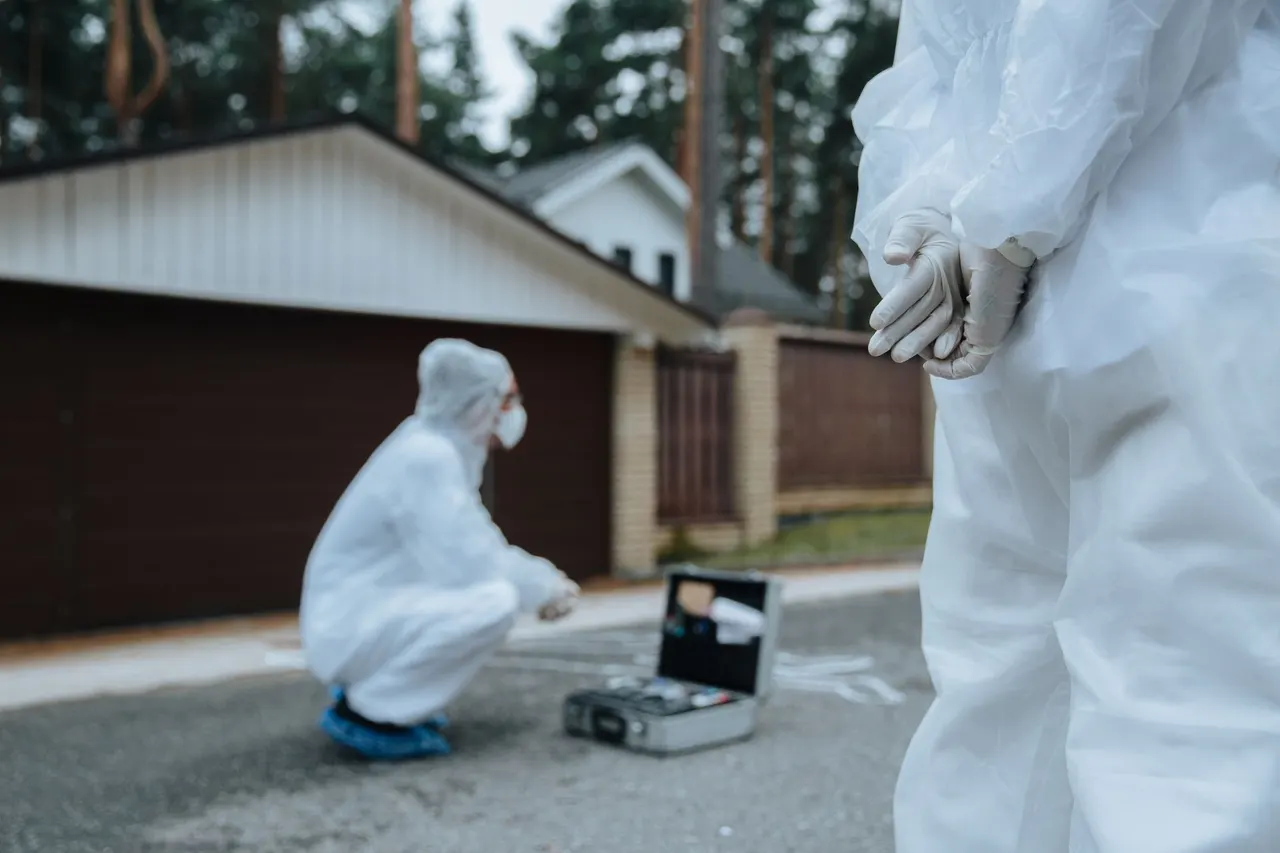
Toilet leak water damage Frisco TX cleanup means removing the water a failed toilet, supply line, or wax ring has released, then drying every material it soaked. We start with a moisture meter and thermal imaging camera to map how far the water traveled under the tile, into the plywood subfloor, and behind the baseboard. A water extraction unit pulls the bulk of it, then air movers and a dehumidifier run until a hygrometer confirms the structure is dry. We finish with drywall and baseboard repair so your bathroom looks like nothing happened.
Most Frisco calls come from three things: a supply line burst, a wax ring that finally gave out, or a toilet that overflowed because something clogged the line. In two-story homes around Panther Creek and Christie Ranch, an upstairs toilet leak ceiling damage Frisco problem often shows up as a brown stain on the ceiling below before the homeowner knows anything is wrong. If you are searching for toilet leak water damage near me and see water where it should not be, shut off the supply valve and call us.
We pull the water, dry what it soaked, and fix the cause before we close it up.
You get a clear sequence from the first phone call to the final walkthrough. Here is exactly what happens when we show up at your Frisco home.
You call (945) 297-3238 and we walk you through shutting off the toilet supply valve and, if needed, the main. We ask what floor the leak is on and whether water is coming through a ceiling. That tells us what equipment to load before we roll.

On arrival we use a moisture meter, infrared thermometer, and borescope camera to trace the water path. We check the subfloor, the wall behind the toilet, and the ceiling below if it is a second-floor bathroom. You get a clear picture of what is wet and what is not.
We pull standing water with a water extraction unit and wet/dry vacuum, then remove saturated carpet pad or lifted flooring that cannot be saved. Contaminated water from a toilet overflow gets handled with the right protective gear and disposal.
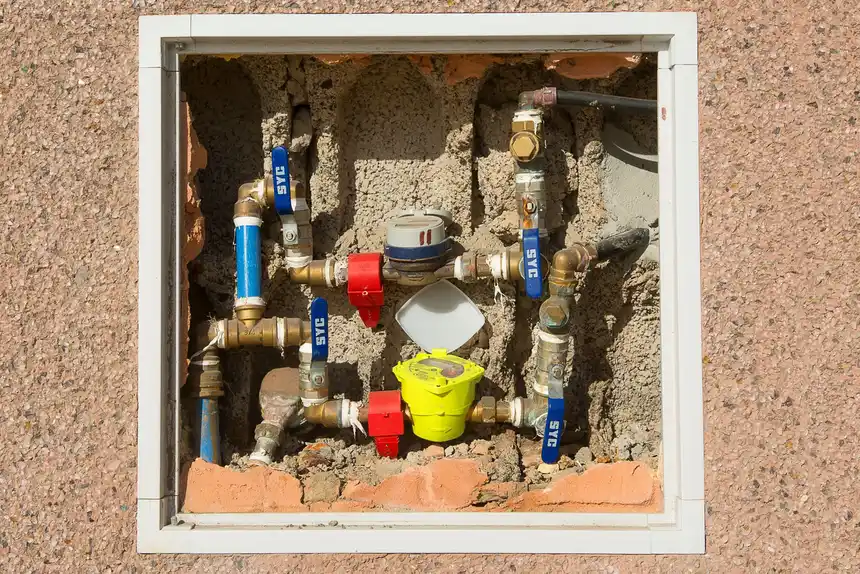
Air movers and a dehumidifier run in a calculated pattern to dry the plywood subfloor, drywall, and framing. We check readings with a hygrometer every day and adjust equipment until the materials hit dry standard, which usually takes three to five days.
Once dry, we replace drywall, baseboard, and any damaged flooring, then seal and finish. We walk the bathroom and the room below with you, show the final moisture readings, and leave the space clean and ready to use.
Reads moisture content in drywall, plywood subfloor, and framing so we know exactly what is wet and when it is dry.
Shows temperature differences behind walls and under floors to find hidden water without tearing everything open.
Pulls standing water from tile, grout, and carpet fast, which shortens the drying time and reduces damage.
Removes moisture from the air so wet materials can dry instead of staying damp and growing mold.
Directs high-velocity air across wet surfaces to speed evaporation from subfloor, drywall, and framing.
Measures relative humidity in the drying chamber so we can confirm materials have reached dry standard.

Lets us look inside wall cavities and under floors to confirm hidden moisture and check for mold growth.
We follow the IICRC S500 standard for water damage restoration, which sets the drying goals, equipment calculations, and documentation requirements for every job. It is the same standard insurance adjusters use to evaluate a claim.
We extract the water on both floors, open the ceiling to dry the cavity and joists, and set air movers and a dehumidifier. The upstairs bathroom and the downstairs ceiling are dried in one coordinated job. Both levels are dry, the ceiling is repaired, and you avoid a mold problem in the joist space.
We shut off the water, extract the standing water, pull saturated carpet pad, and dry the plywood subfloor. A moisture meter confirms the floor is dry before we reinstall flooring. The hallway and bathroom are dry and back in use, with the failed line replaced.
We trace the moisture with a thermal imaging camera, dry the subfloor, and replace any rotted plywood. We coordinate the wax ring repair so the leak stops at the source. The soft spot is gone, the floor is solid, and the leak will not return.
We treat it as a contaminated water job, use proper protective gear, and remove anything that cannot be saved. The area is cleaned, dried, and documented for your records. The bathroom is sanitary and dry, and you did not have to handle the mess yourself.
Frisco homes deal with toilet leaks year-round, but the pattern shifts with the seasons. Summer heat and heavy spring storms put stress on supply lines and wax rings, while winter freezes can crack a line overnight. In two-story homes around Stonebriar and Starwood, an upstairs toilet leak ceiling damage Frisco problem is common because water travels down through the subfloor into the ceiling below. We also see a lot of toilet leak wet subfloor Frisco calls in older bathrooms where the wax ring has finally failed. Our crews work within Collin County plumbing and building codes, and we document every job for insurance. If you are searching for toilet leak water damage 75033 Frisco help, we can be at your door the same day.
An upstairs toilet overflowed overnight and water dripped through the ceiling into the kitchen. The ceiling drywall was wet and sagging, and the joists above it were soaked. The homeowner had towels on the floor but no way to dry the cavity.
We extracted the water, opened the ceiling, and dried the cavity and joists with air movers and a dehumidifier. Moisture readings dropped to dry standard in four days, and we replaced the drywall and texture. The ceiling looks new.
Check the wax ring and supply line every year, and fix a running toilet before it overflows again.
A supply line burst behind the toilet while the family was at work. Water spread across the bathroom tile and into the hallway carpet. The carpet pad was saturated and the plywood subfloor was wet across a 40-square-foot area.
We pulled the carpet pad, extracted the standing water, and dried the plywood subfloor to target readings in three days. New pad and carpet were installed, and the failed line was replaced. The floor is solid and dry.
Replace braided supply lines every five to seven years, and check the valve connection for drips twice a year.
A slow wax ring leak had been seeping under the tile for weeks. The homeowner noticed a soft spot near the toilet and a musty smell. A moisture meter showed the plywood subfloor was wet across a two-foot radius, with early mold growth in the cavity.
We removed the tile, dried the subfloor, replaced the rotted plywood, and treated the area following mold remediation protocols. New tile was installed and the wax ring was replaced. The soft spot and the smell are gone.
Watch for a rocking toilet or a loose base, which are early signs the wax ring is failing.
A toilet leak does more than wet the floor. Here are the problems Frisco homeowners run into when water sits too long, and how we fix each one.
We open the ceiling, dry the cavity and joists with air movers and a dehumidifier, then repair the drywall and texture. You get a ceiling that looks new instead of a stain that keeps coming back. A brown stain means the ceiling drywall and often the joist above it are already wet. Left alone, the drywall sags, mold grows, and the repair gets much bigger.
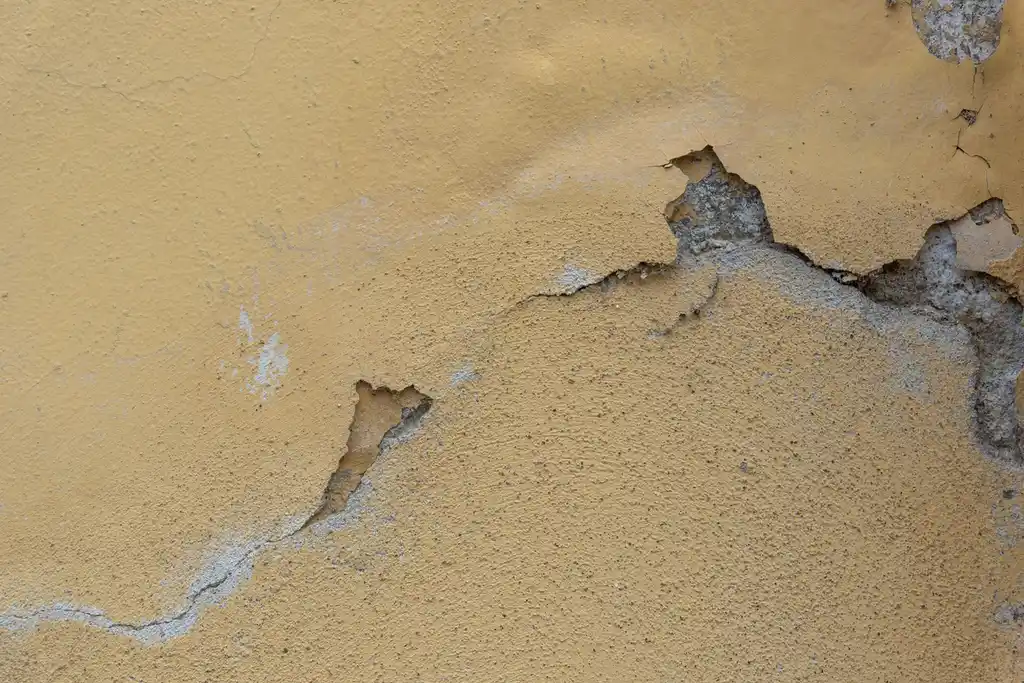
We use a moisture meter to find the wet zone, dry the plywood to target readings, and replace any section that has already rotted. Then we reinstall flooring so it is solid again. A toilet leak wet subfloor Frisco problem means the plywood has lost strength. Tile can crack, grout can fail, and the floor can flex underfoot if it is not dried and repaired.
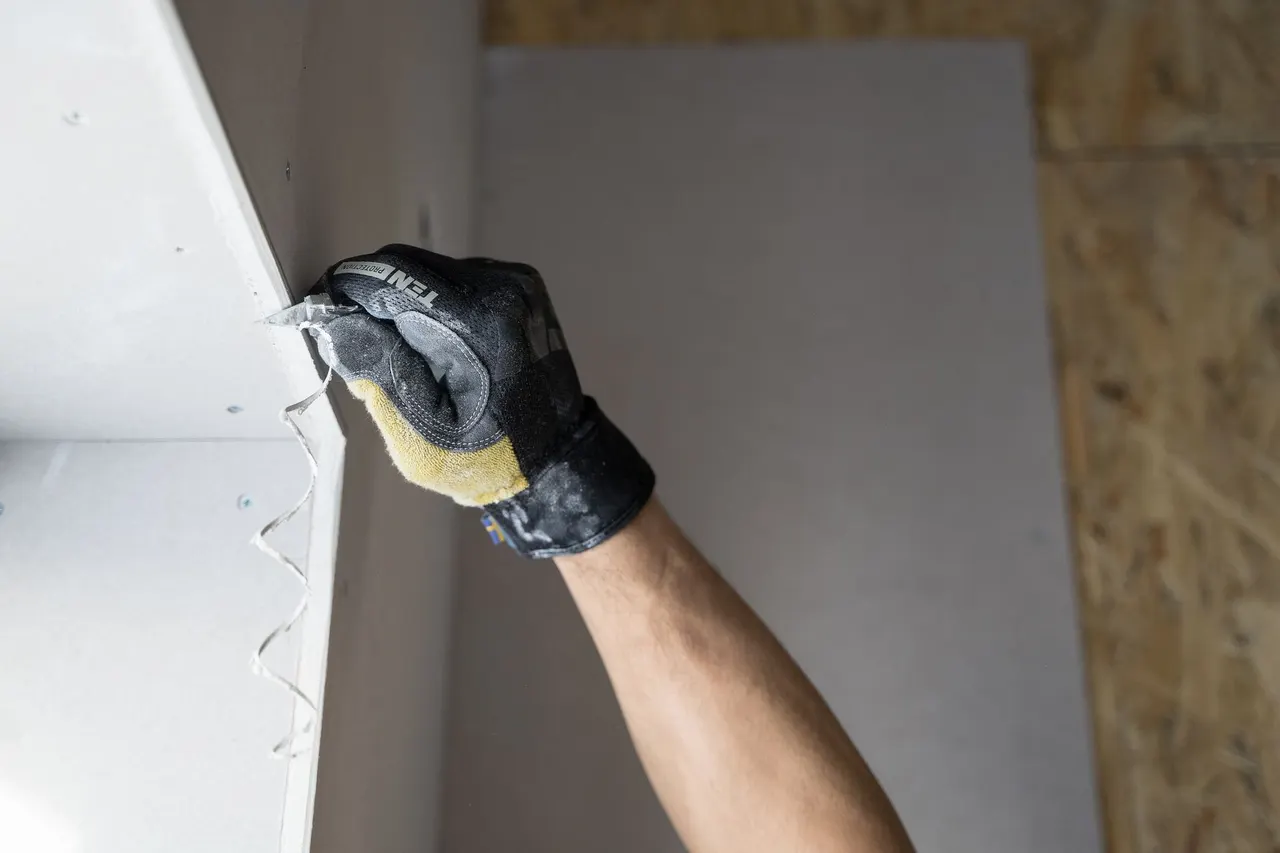
We find the source with a thermal imaging camera and borescope, dry the structure, and follow Texas Department of Insurance licensed mold remediation protocols when mold is present. The smell goes away because the moisture does. A musty odor usually means mold is growing in the wall cavity or under the floor. It gets worse over time and can affect indoor air quality for your whole family.

We document everything from the first inspection: photos, hygrometer readings, and a clear drying log. That paperwork is what moves a toilet overflow water damage Frisco claim forward. Adjusters need proof of the cause and the extent of damage. Without photos, moisture readings, and a written scope, a valid claim can get stuck or reduced.
Our water extraction unit and wet/dry vacuum pull standing water from tile, grout lines, and carpet pad fast. Most bathrooms are free of standing water within the first two hours on site, which is the difference between a dry-out and a full floor replacement.
A moisture meter and thermal imaging camera read what your eyes miss. We check the plywood subfloor, the wall cavity behind the toilet, and the ceiling below before we call anything dry. That is how we catch a toilet leak wet subfloor Frisco problem before it turns into rot.
Mold can start growing on wet drywall and insulation in 24 to 48 hours. We dry the structure to target readings, and when needed we bring in a Texas Department of Insurance licensed mold remediation approach so the problem does not come back after the fans are gone.
We do not leave you with a hole in the ceiling and a fan in the hallway. Once drying is verified, we replace drywall, reinstall baseboard, and match joint compound and caulk so the repair disappears. One crew from the first mop to the final coat of paint.
Clear records you can keep and share.
Daily log of dry-down progress
Before, during, and after the work
Clear list of what was done
A toilet leak is not just a wet floor. Water wicks into the subfloor and the ceiling below, and the damage grows every hour it sits.
Water from a supply line is cleaner than water from an overflow. The category changes how we handle removal and cleaning.
A moisture meter and thermal camera find water you cannot see. That is how we catch a wet subfloor before it rots.
Mold can start on wet drywall in 24 to 48 hours. Drying fast is what prevents a bigger problem later.
Outside these areas? Call us and we will let you know if we can help. (945) 297-3238
Most toilet leak water damage Frisco TX jobs run $450 to $2,800 depending on how far the water spread and whether drywall or flooring needs replacement. A small bathroom extraction and dry-out sits at the low end. An upstairs toilet leak ceiling damage Frisco repair with drywall and paint on two levels pushes toward the high end. We give you the number before we start, and we document everything for your insurance claim.
Yes. Water from an upstairs toilet travels through the subfloor, insulation, and drywall until it shows up as a stain, a bulge, or a drip on the ceiling below. By the time you see the stain, the ceiling drywall and often the joist above it are already wet. We open the ceiling, dry the cavity, and repair the drywall so the problem does not return as mold.
Most Texas homeowners policies cover sudden and accidental toilet overflow water damage, including extraction, drying, and repairs. A slow leak that went unnoticed for months is often excluded as neglect. We document the cause and the damage with photos and moisture readings, which gives your adjuster what they need to process the claim correctly.
Shut off the supply valve behind the toilet, stop flushing, and keep everyone out of the water. If the water is near outlets or a light fixture, kill power to that bathroom at the breaker. Then call us at (945) 297-3238. Do not run a household vacuum or a box fan into standing water, and do not wait overnight to see if it dries on its own.
Water spreads fast and mold follows within 24 to 48 hours. Call Rapid Dry Frisco at (945) 297-3238 for same-day extraction, drying, and repair. We document everything for your insurance claim and leave your bathroom dry and finished.
Call us at (945) 297-3238 or email info@rapiddryfrisco.com. We answer the phone 24/7 for emergencies and schedule same-day visits for non-emergency calls. If you are in Frisco or anywhere in Collin County, we can be at your door fast.