Written scope
Photos and moisture map before we cut
When wet drywall water damage Frisco TX hits your home, the clock starts ticking. Water wicks up the paper facing, sags the panel, and feeds mold inside the wall cavity within 24 to 48 hours. We handle water damaged drywall cleanup Frisco TX for homeowners in Stonebriar, Panther Creek, and Starwood, cutting out soaked sections, extracting standing water, and drying the framing before we hang new board.
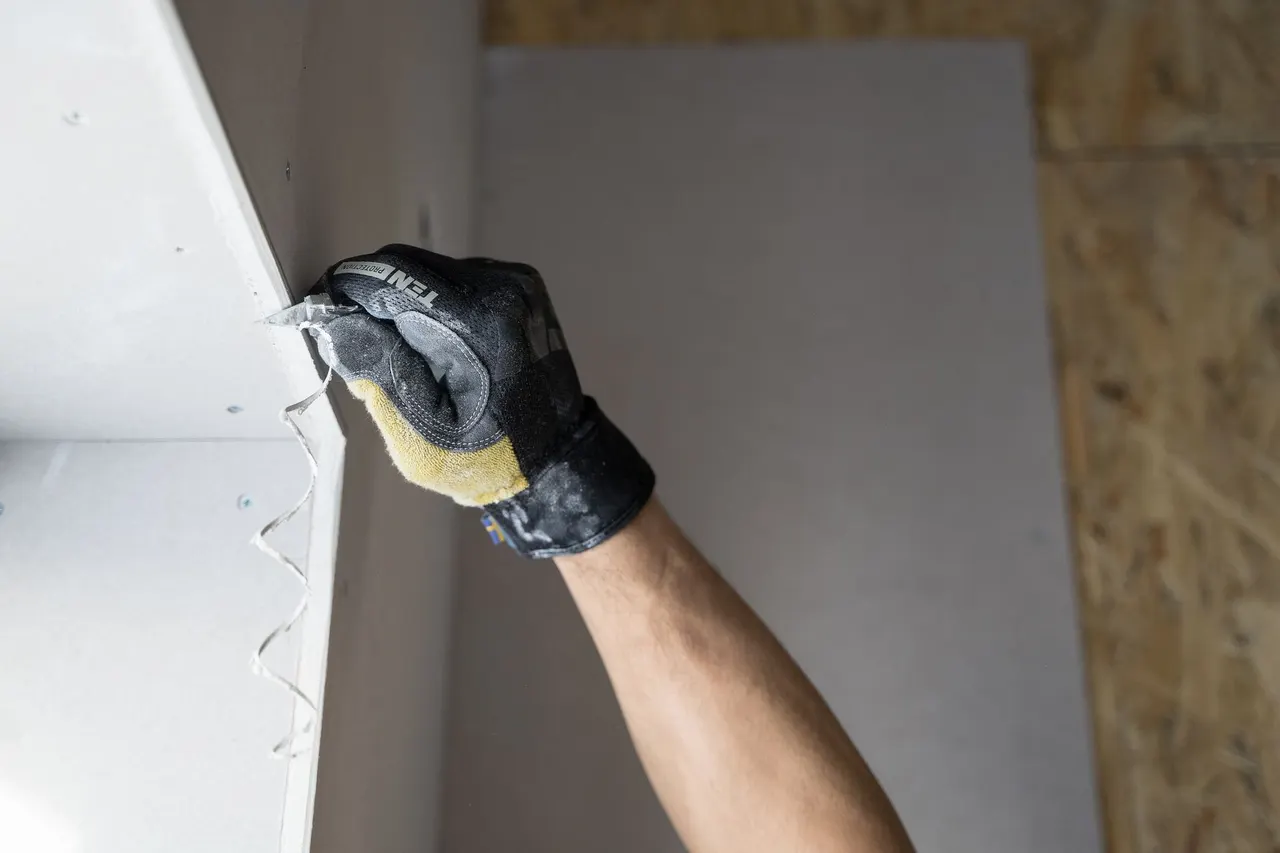
Every job includes inspection, moisture mapping, cut-out, drying, and rebuild. Here is what you get when you call us for wet drywall water damage Frisco TX.
We repair wet drywall in Frisco homes after appliance leaks, supply line bursts, and AC condensate overflows. We cut out the soaked board, dry the framing, and rebuild the wall so it looks like new.
We repair wet drywall in Frisco commercial spaces after plumbing leaks and appliance failures. We work around your hours to cut out the wet board, dry the cavity, and rebuild the wall.
Wet drywall water damage Frisco TX repair is the process of removing soaked drywall, extracting trapped water, drying the framing and insulation, and rebuilding the wall so it looks and performs like new. Drywall is gypsum wrapped in paper. That paper wicks water sideways and upward, so a small leak behind a washing machine hose can soak a 4-foot section of wall in a few hours. We use a moisture meter and thermal imaging camera to map exactly how far the water traveled before we cut anything.
Frisco homeowners call us most often after an appliance leak, a supply line burst, or an AC condensate overflow in the attic. Slab construction is common here, so water from a water heater tank failure or a toilet overflow spreads across the floor and climbs the baseboard before you notice it. If you are searching for wet drywall water damage near me, we serve ZIP codes 75034, 75035, and 75033 and can usually be on-site the same day you call.
We cut out what is wet, dry the cavity to a reading, and rebuild the wall.
Five steps, start to finish. Most jobs run two to four days from first call to final texture, depending on how far the water traveled.
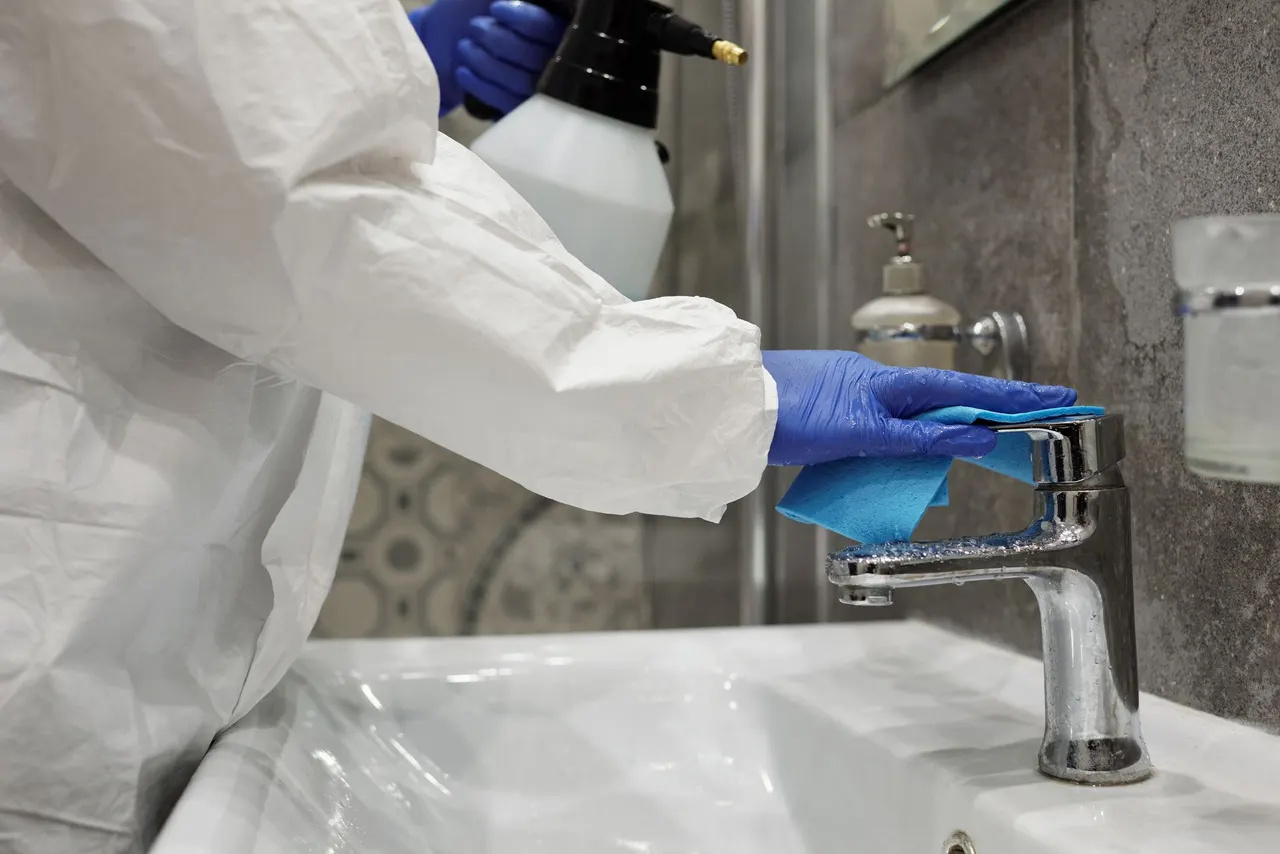
We walk the room with a moisture meter, thermal imaging camera, and borescope camera to find the leak source and trace how far water traveled. We check baseboards, studs, and insulation behind the wall. You get a written scope with photos before we cut anything. This step takes 30 to 45 minutes.
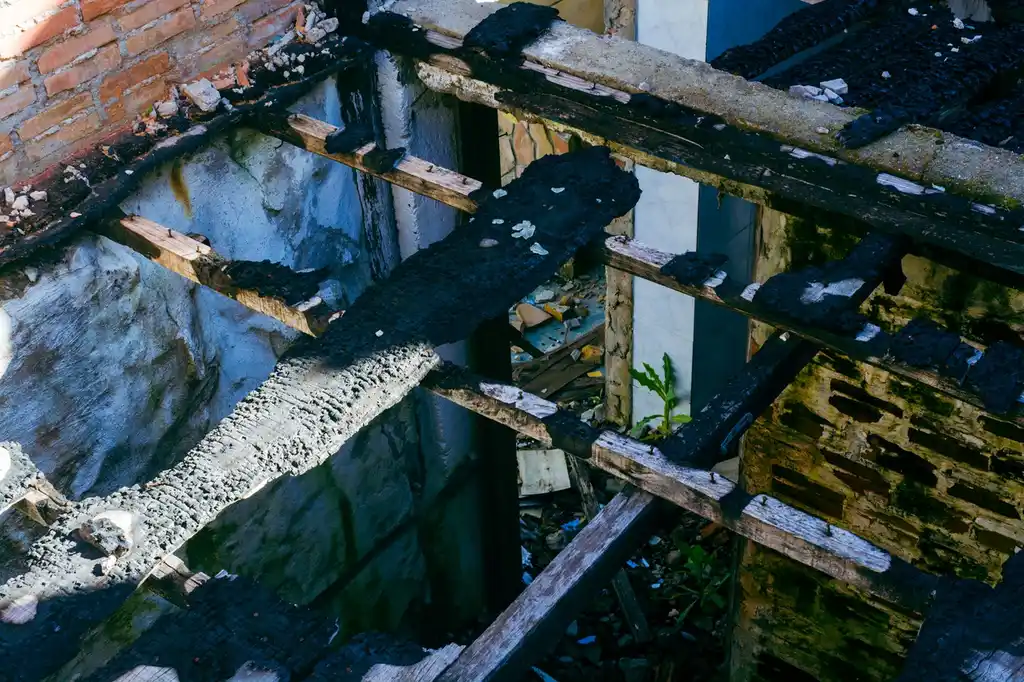
If the source is still active, we shut it off at the fixture or the main. For a supply line burst or ice maker line leak, we isolate the line and confirm it holds. For an AC condensate overflow, we clear the drain line. We do not start drying until the water is off.
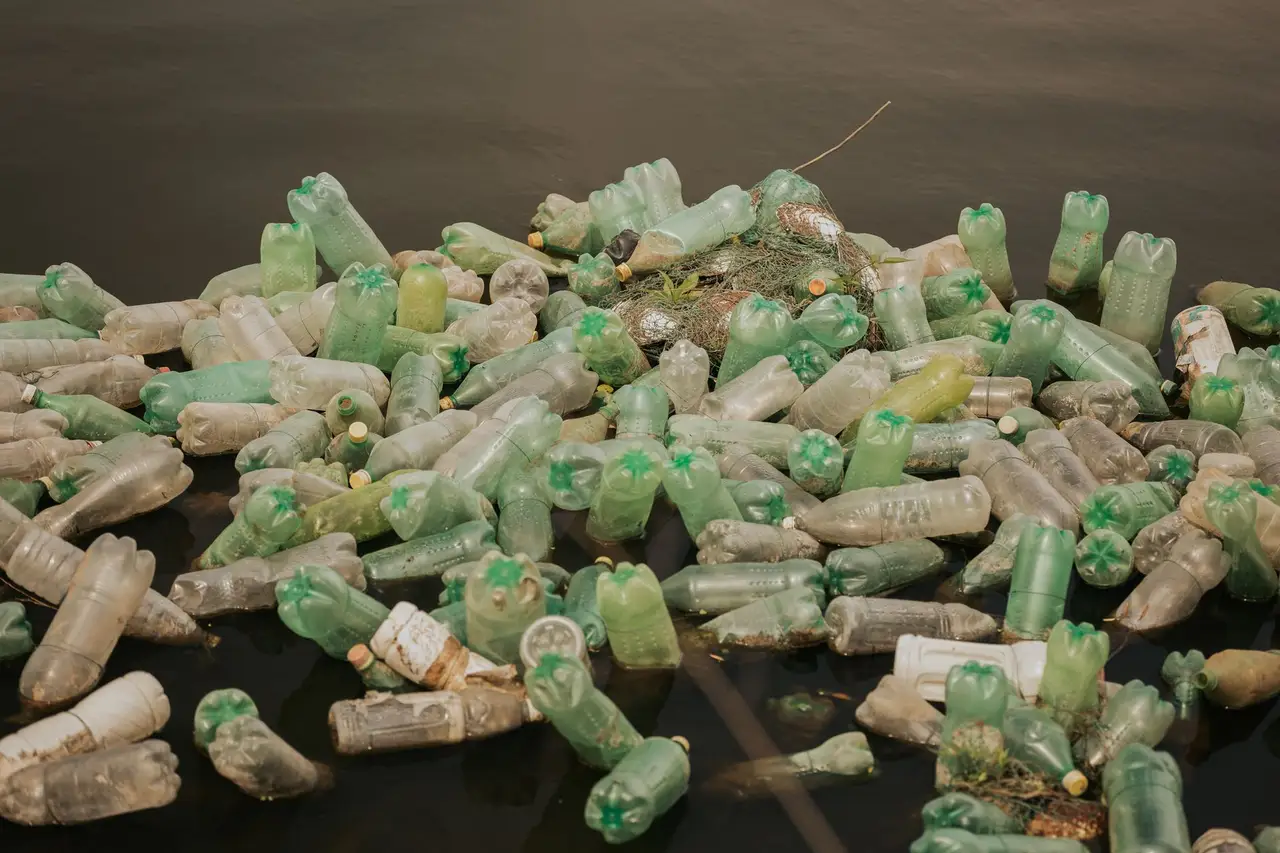
We cut out wet drywall 2 inches above the visible water line, remove soaked insulation, and extract standing water with a wet/dry vacuum and water extraction unit. We pull carpet pad where it is saturated. This is the step that stops mold and saves the rest of the wall.

We set Dri-Eaz and Phoenix Restoration Equipment air movers and dehumidifiers, then check moisture readings every 24 hours. Drywall and framing need to reach below 16% moisture content. Most cavities dry in two to three days. We log every reading so you can see the progress.
Once the cavity is dry, we hang new drywall, tape and mud the seams, and match the existing texture. We prime and paint to the nearest corner so the repair blends in. You get a final walkthrough and a moisture log showing the wall is dry before we close it up.

Measures moisture content in drywall, studs, and subfloor. We use it to find the water line and confirm when the cavity is dry enough to close.
Shows temperature differences behind the wall so we can see where water traveled without cutting. It helps us map the full extent of the damage before we open anything.
Lets us look inside the wall cavity through a small hole to check for mold, wet insulation, and hidden water before we commit to a cut line.

High-velocity air movers evaporate moisture from the wall cavity and framing. We position them to dry the whole cavity, not just the surface.
Pulls moisture out of the air so the wall cavity dries faster. Frisco humidity slows drying, so we run dehumidifiers alongside air movers on every job.
Removes standing water from floors, carpet, and the wall cavity before we set drying equipment. Getting the standing water out first is what makes drying work.

Measures relative humidity and surface temperature so we can calculate dew point and confirm the drying system is working. We log these readings every 24 hours.

The IICRC S500 standard tells us how to dry a structure to a measurable target. We follow it on every job, which means we dry to a moisture content reading, not to a guess. That is what stops mold and protects your wall.
We shut off the water, extract the standing water with a wet/dry vacuum, cut out the wet drywall, and dry the cabinet base and wall cavity with air movers and a dehumidifier. The wall and cabinet dry out in two to three days, and we rebuild the drywall so the kitchen is back to normal without mold.
We cut out the sagging board, dry the ceiling joists with Dri-Eaz air movers and a dehumidifier, clear the condensate drain line, and rebuild the ceiling with new drywall and texture. The ceiling is dry, the stain is gone, and the repair blends into the existing texture so you cannot see where it was.
We extract the standing water, cut out the soaked drywall 2 inches above the water line, remove wet insulation, and dry the framing and plywood subfloor with air movers and dehumidifiers. The wall and subfloor dry to below 16% moisture content in three days, and we rebuild the drywall so the laundry room is usable again.
We trace the water path with a thermal imaging camera and moisture meter, cut out wet drywall on both floors, and set a drying system with air movers and dehumidifiers on each level. Both walls dry in three to four days, and we rebuild and paint them so the repair is invisible.
Frisco sits in Collin County, and the climate here matters. Summers run hot and humid, which slows drying and feeds mold. Winters bring the occasional hard freeze, and that is when we see supply line bursts and pipe fitting failures in attics and garages. Many Frisco homes are slab-on-grade with the water heater in the garage or attic, so a tank failure sends water across the floor and into the wall before you notice. We also see a lot of AC condensate overflow calls in July and August when drain lines clog. If you are searching for wet drywall water damage 75033 Frisco or wet drywall water damage 75036 Frisco, we cover your neighborhood. We know how these homes are built and where the water hides.
A washing machine hose burst on a Saturday morning and dumped 50 gallons into the laundry room. The drywall behind the washer was soft to the touch and the baseboard was soaked. Moisture readings hit 32% in the wall cavity.
We cut out 6 linear feet of wet drywall, extracted the standing water, and dried the cavity to 11% moisture content in three days. New drywall, texture, and paint matched the existing wall. The repair is invisible.
Replace rubber washing machine hoses with braided stainless steel every five years. Check the hose connections for cracks twice a year and shut off the supply valves when you leave town.
A clogged AC condensate line sent water through the hallway ceiling. The drywall was sagging and stained across a 4-foot section. The ceiling joists read 28% moisture content and the stain was spreading.
We cut out the sagging board, dried the joists to 12% moisture content in two days, cleared the condensate drain line, and rebuilt the ceiling with new drywall and texture. The stain is gone and the ceiling is flat.
Pour a cup of vinegar down the condensate drain line every month during cooling season to keep it clear. Check the drain pan for standing water after heavy AC use.
A water heater tank failed overnight and sent 40 gallons across the garage into the laundry room wall. The drywall was soaked 18 inches up from the floor and the plywood subfloor was wet. Moisture readings hit 30%.
We extracted the standing water, cut out the soaked drywall, and dried the framing and subfloor to 13% moisture content in three days. New drywall, texture, and paint finished the job. The laundry room is back to normal.
Flush your water heater tank once a year to remove sediment and extend its life. Check the tank and the area around it for rust or moisture every few months.
Wet drywall is rarely just a drywall problem. Here are the issues we see most often and how we fix them.
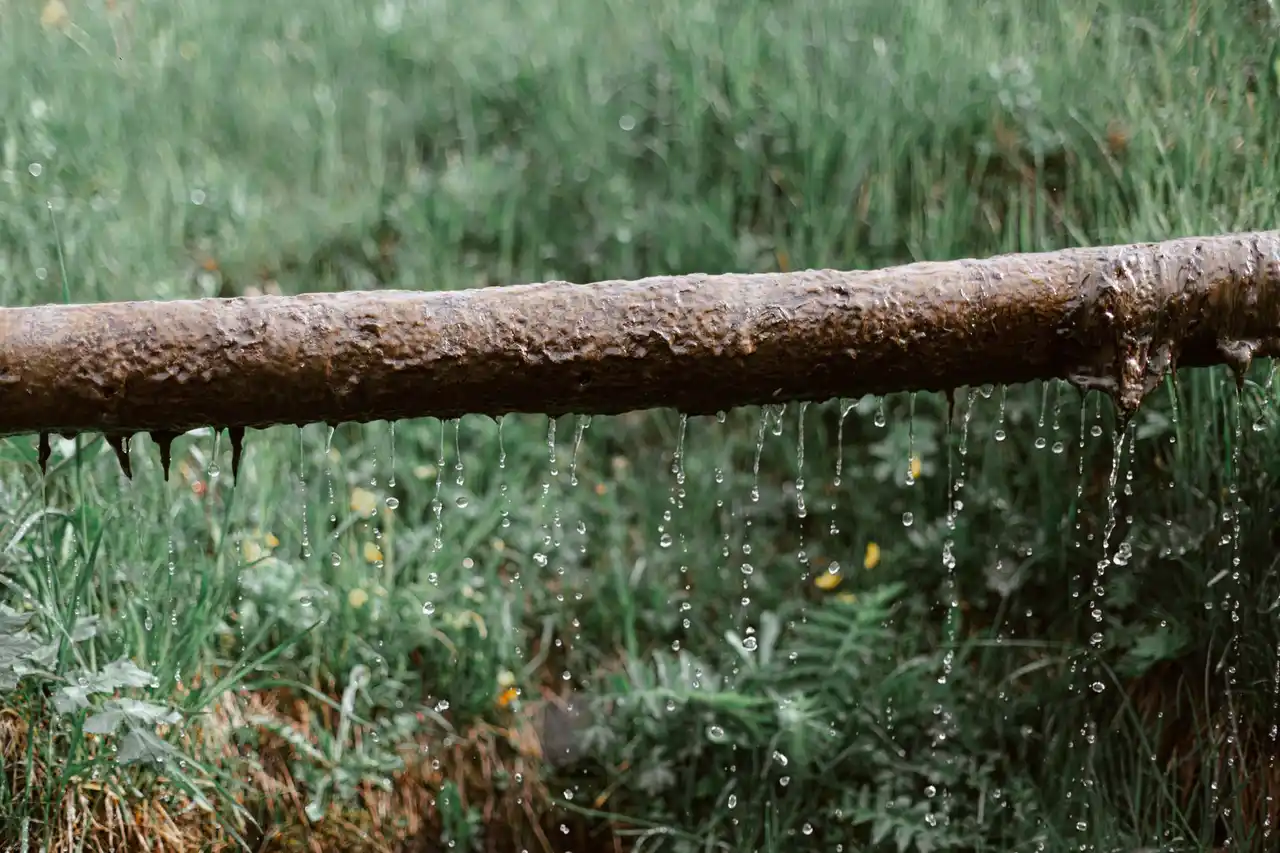
We find the leak source, shut it off, cut out the soaked drywall, and dry the cavity with air movers and dehumidifiers. Most appliance leak repairs are done in two to three days and save 60% to 70% of the wall. Water wicks up the paper facing and into the insulation, feeding mold inside the wall within 24 to 48 hours. The longer it sits, the more wall you lose.
We carry Texas Department of Insurance licensed mold remediation credentials. If mold is present, we contain the area, remove affected material, treat the framing, and dry the cavity to below 16% moisture content before we rebuild. Mold spreads through the paper facing and into the framing. By the time you smell it, the colony is often larger than the visible damage and can affect indoor air quality.
We cut out the sagging board, dry the joists with air movers and dehumidifiers, and rebuild the ceiling with new drywall, texture, and paint. We also clear the condensate drain line so it does not happen again. Water pools above the ceiling drywall, causing it to sag and eventually collapse. The stain spreads and the joists stay wet, which leads to rot and mold.

We extract the standing water, cut out the soaked drywall, and dry the framing. We also check the plywood subfloor for moisture and set air movers to prevent cupping and delamination. A failed tank dumps 40 to 50 gallons fast. Water spreads across the floor, climbs the baseboard, and soaks the drywall in the adjacent room before you notice.
Mold can colonize wet drywall in 24 to 48 hours. We cut out soaked board, treat the framing, and dry the cavity to below 16% moisture content, which is the threshold where mold stops growing. Catching it in the first day or two often means replacing one panel instead of an entire wall.
Water damaged drywall cleanup Frisco TX done early can save 60% to 70% of the wall. We only remove the section that is actually wet, feather the patch into the existing texture, and match the paint line so you cannot tell where the repair was made. Full-wall replacement is often avoidable.
Water that soaks drywall also runs down into carpet pad and plywood subfloor. We pull the pad, extract standing water with a wet/dry vacuum and water extraction unit, and set air movers so the subfloor dries before it cups or delaminates. Catching it early saves thousands in floor replacement.
We photograph moisture readings, mark the water line, and log every cut before we make it. That record is what your Texas homeowners insurance adjuster needs to approve drywall water damage after a leak Frisco claim. You get a written scope and moisture log the same day we finish drying.
Clear records you can keep and share.
Photos and moisture map before we cut
Daily readings until the cavity is dry
New drywall, texture, and paint matched
Wet drywall does not always need to come out. It depends on how wet it is and how long it has been wet. We check moisture content before we decide.
If the drywall is soft, sagging, or wet more than 48 hours, it comes out. Firm drywall wet less than 24 hours can sometimes be dried in place.
Below 16% moisture content, mold stops growing. We dry every cavity to that reading before we close the wall.
Water wicks upward past the visible stain. Cutting 2 inches above the water line removes all the wet board and stops mold.
Outside these areas? Call us and we will let you know if we can help. (945) 297-3238
Most wet drywall repairs in Frisco run $350 to $1,200 for a single wall section, including cut-out, drying, new drywall, texture, and paint. Larger jobs with multiple walls or carpet pad replacement can run $1,500 to $3,500. If you file an insurance claim for drywall water damage after a leak Frisco, your out-of-pocket is usually just your deductible.
If the drywall is soft, sagging, crumbly, or has been wet more than 48 hours, cut it out. Drywall that is still firm and wet less than 24 hours can sometimes be dried in place with air movers and a dehumidifier. We check moisture content with a meter first. Below 16% after drying, the board can stay. Above that, it comes out.
Yes, in most cases. Texas homeowners policies typically cover sudden and accidental water damage, like a supply line burst, water heater tank failure, or washing machine hose burst. They usually do not cover long-term leaks or flooding. We document the damage with photos and moisture logs so your adjuster has what they need to approve the claim.
A wet drywall cavity typically dries in two to three days with proper air movers and dehumidifiers running. Thick walls, saturated insulation, or high humidity can push it to four or five days. We check moisture readings every 24 hours and do not close the wall until the framing reads below 16% moisture content. Closing too early traps moisture and grows mold.
Water in your wall will not dry on its own. Call Rapid Dry Frisco at (945) 297-3238 and we will be on-site the same day to cut out the wet drywall, dry the cavity, and rebuild the wall. We document everything for your insurance claim.
Call us at (945) 297-3238 or email info@rapiddryfrisco.com. We answer the phone 24/7 for emergencies and schedule same-day visits for non-emergency calls. If you are in Frisco or anywhere in Collin County, we can be at your door fast.