Written scope
A clear document of what is wet and what we will do.
When water shows up on your ceiling, the clock is already running. Rapid Dry Frisco handles ceiling water damage Frisco TX homeowners can trust, from the first moisture reading to the final coat of paint. We find the source, dry the wet ceiling drying Frisco TX cavity behind it, and repair the drywall so the stain does not come back. Call (945) 297-3238 and we will get eyes on it today.
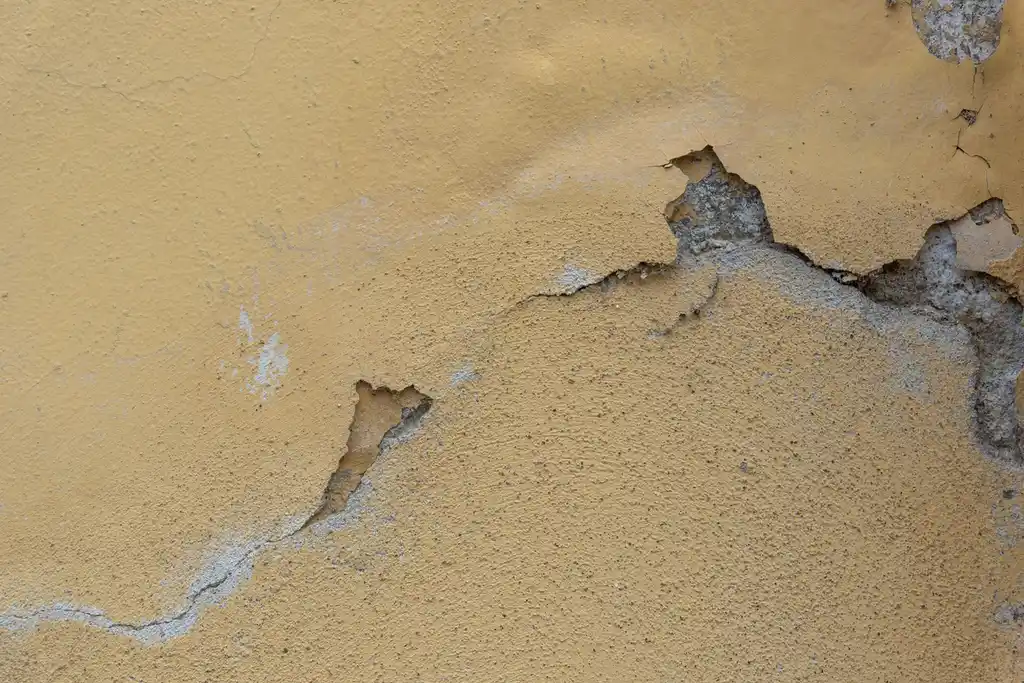
Every ceiling water damage job is different, but here is what is typically covered when you hire Rapid Dry Frisco. We handle the full scope from inspection through final paint so you are not coordinating multiple contractors.


We help homeowners and tenants deal with ceiling leaks from AC overflows, supply line bursts and appliance failures. Our team dries the structure and repairs the ceiling so your home is back to normal.
We work with property managers and business owners to minimize downtime after a ceiling leak. Our team dries the structure, documents the damage and completes repairs on a schedule that works for you.
Ceiling water damage Frisco TX repair is the process of finding where water is entering, stopping it, drying the ceiling assembly, and restoring the drywall and finish. Water travels along joists and pooled insulation before it ever shows as a stain, so the visible spot is usually the smallest part of the problem. We use a moisture meter and a thermal imaging camera to map the wet zone, then set drying equipment to pull water out of the drywall, insulation and framing above it.
In Frisco, most ceiling calls trace back to an AC condensate overflow in the attic, a supply line burst behind a bathroom wall, or a water heater tank failure in the garage. North Texas summers push AC units hard, and a clogged condensate drain can soak a ceiling overnight. If you are searching for ceiling water damage near me after a storm or a plumbing surprise, the priority is the same: stop the water, dry the structure, and document everything before mold has a chance to take hold.
Find the source, dry the cavity, repair the ceiling. That order matters.
Five steps, no guesswork. Here is exactly what happens from the moment you call until the ceiling is painted and dry.

You call (945) 297-3238 and describe what you are seeing. We ask about the stain size, whether the ceiling is sagging, and where the water might be coming from. If it is actively leaking, we tell you how to shut off the supply while we are on the way. Most Frisco calls get a same-day visit.
We arrive with a moisture meter, thermal imaging camera and borescope camera. We check the ceiling, the attic above it, and the plumbing or HVAC equipment nearby. Within about 45 minutes you know the source, the size of the wet zone, and what it will take to fix it.

Standing water comes out first with a water extraction unit or wet/dry vacuum. If the ceiling is bulging, we puncture it in a controlled spot to release trapped water into a bucket rather than let it collapse onto your floor. This step usually takes one to two hours.

We set air movers and a dehumidifier to dry the ceiling cavity, joists and insulation. A hygrometer tracks relative humidity while an infrared thermometer confirms surface temperatures stay in the right range. You will hear the equipment running for three to five days, and we check readings each day.
Once readings confirm the structure is dry, we remove damaged drywall, replace insulation, and rebuild the ceiling. Joint compound, texture and paint go on in sequence, with drying time between coats. Most ceilings are back to normal within a week of the initial call.
Pin-type and pinless meters measure moisture content in drywall, wood and insulation. We use them to map the wet zone and confirm when the structure is dry.
Infrared imaging reveals temperature differences that indicate hidden moisture behind ceilings and walls. It helps us find water that a visual inspection would miss.

A small camera on a flexible cable lets us look inside ceiling cavities and wall voids without making large holes. We use it to check for mold and hidden damage.
High-velocity air movers circulate air across wet surfaces to speed evaporation. We position them based on the shape and size of the wet zone.

Dehumidifiers pull moisture out of the air inside the ceiling cavity. Keeping humidity low is essential for drying drywall and insulation efficiently.

Truck-mounted and portable extraction units remove standing water from floors and ceilings quickly. We use them before setting drying equipment.
A hygrometer measures relative humidity while an infrared thermometer checks surface temperatures. Both help us confirm drying conditions are right.
We follow the IICRC S500 standard for water damage restoration, which sets guidelines for moisture measurement, drying goals and equipment placement. It is the industry benchmark for a reason.
We clear the line, extract the water, and set drying equipment in the attic and the room below. Thermal imaging confirms the full extent of the moisture before we place equipment. The ceiling dries in four days, the insulation is replaced, and the ceiling is repaired and painted. No mold, no repeat stain.
We shut off the water, open the ceiling to release trapped water, and dry the joists and drywall. The plumbing repair is coordinated with a licensed plumber. The kitchen ceiling is dry in three days, repaired and repainted. The homeowner has documentation for their insurance claim.
We extract standing water, remove wet drywall and insulation, and run dehumidifiers to dry the structure. Moisture readings are logged daily. The hallway ceiling is dry and repaired within a week. The homeowner avoids mold growth and a much larger repair bill.
We extract the water, sanitize affected surfaces, and dry the ceiling cavity. Damaged drywall is cut out and replaced once readings confirm the structure is dry. The powder room ceiling is back to normal in five days. No lingering odor, no mold, no structural damage.
Frisco's climate creates specific ceiling water damage risks. Summer heat pushes AC systems to their limits, and a clogged condensate drain can overflow into an attic pan and soak the ceiling below. Winter freezes can burst supply lines in exterior walls, sending water into ceilings on the floor below. Many Frisco homes are two-story with HVAC equipment in the attic, which means a ceiling leak often starts far from where the stain appears. We know how these homes are built, from the slab-on-grade plumbing to the attic ductwork, and we use that knowledge to find the source faster. If you are dealing with a water stain on ceiling after leak Frisco homeowners often see after a storm, we can help. We serve ZIP codes 75034, 75035 and 75033, and we are familiar with the construction styles in each neighborhood.
A brown water stain spread across a kitchen ceiling after the AC condensate line clogged. The drywall was soft to the touch and moisture readings showed the attic insulation above was saturated.
We cleared the line, extracted the water, and ran drying equipment for four days. Moisture readings returned to normal, and we replaced the insulation and drywall. The ceiling was textured and painted to match.
Pour a cup of bleach down the AC condensate drain monthly during cooling season to prevent clogs. Check the drain pan for standing water after heavy AC use.
A supply line burst behind a second-floor bathroom wall and water pooled above the first-floor ceiling. The ceiling was bulging and paint was peeling. The homeowner shut off the water before calling us.
We punctured the bulge to release trapped water, extracted the rest, and dried the joists and drywall for three days. The plumber repaired the line, and we replaced the damaged drywall, texture and paint.
Check supply lines under sinks and behind toilets for corrosion or moisture every six months. Replace flexible supply lines every five years as a precaution.
A water heater tank failed overnight and water spread across the garage floor and into the adjacent hallway ceiling. The drywall was wet and the insulation was soaked.
We extracted standing water, removed wet drywall and insulation, and ran dehumidifiers for five days. New drywall, insulation, texture and paint restored the ceiling. The homeowner's insurance covered the repair.
Flush your water heater annually to remove sediment and extend tank life. Check the anode rod every two years and replace it if it is corroded.
From a small brown stain to a sagging ceiling full of water, these are the calls we handle every week in Frisco and Collin County.
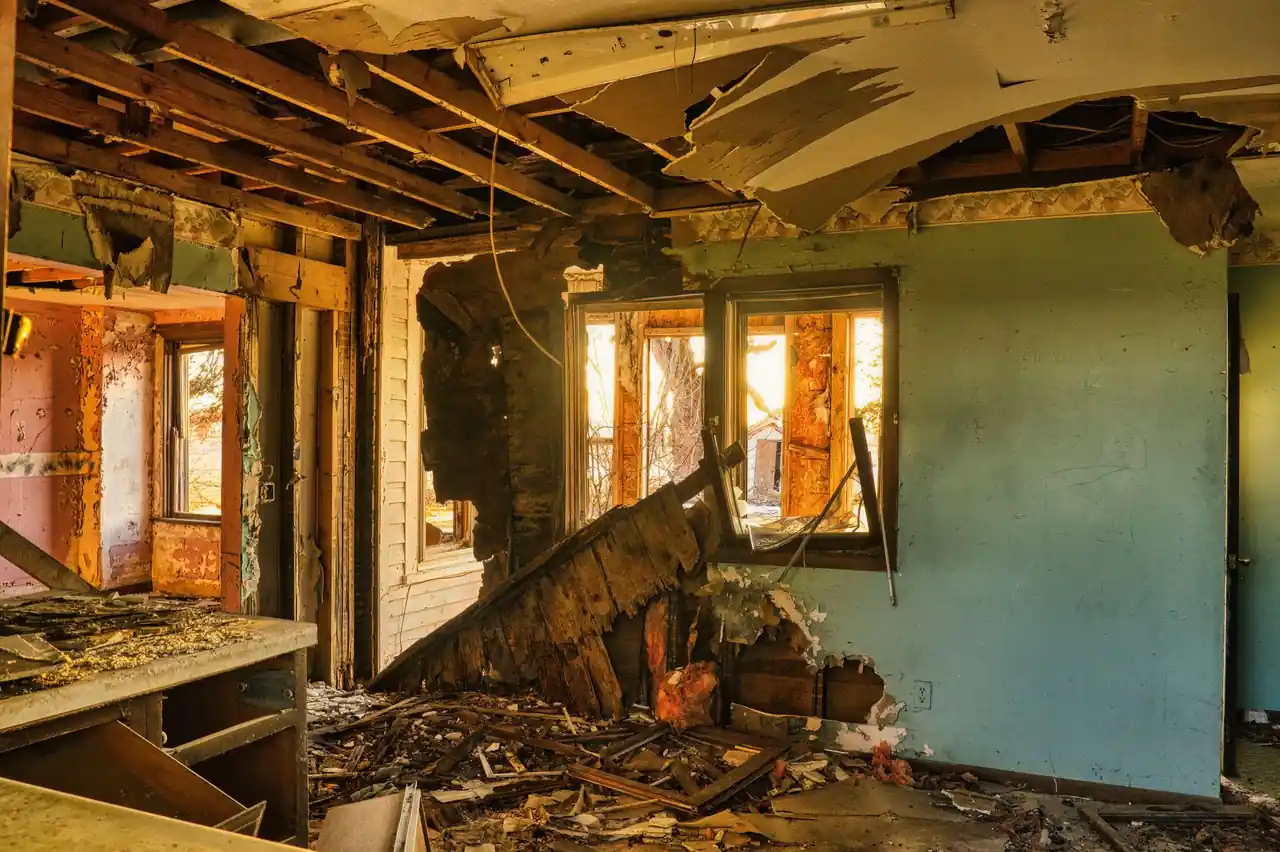
We trace the stain back to its source, dry the ceiling cavity with air movers and a dehumidifier, then repair and repaint the drywall. You get a ceiling that looks new and a structure that is confirmed dry. The stain means water is already inside the ceiling cavity. Ignoring it lets moisture reach the insulation and framing, which leads to mold growth and structural weakening within days.
We puncture the bulge in a controlled spot to release the water into a bucket, then extract remaining moisture and dry the structure. Repairs follow once readings confirm the ceiling is dry. A bulging ceiling can collapse without warning, dumping water and debris onto your floor and furniture. The longer it bulges, the more drywall and insulation need to be replaced.
We remove the bubbling paint and any compromised drywall, dry the area, and refinish the ceiling with new joint compound, texture and paint. The result is a smooth surface that stays that way. Bubbling paint means water is trapped between the paint and the drywall. If it is not addressed, the paint peels, the drywall deteriorates and mold can grow behind the surface.
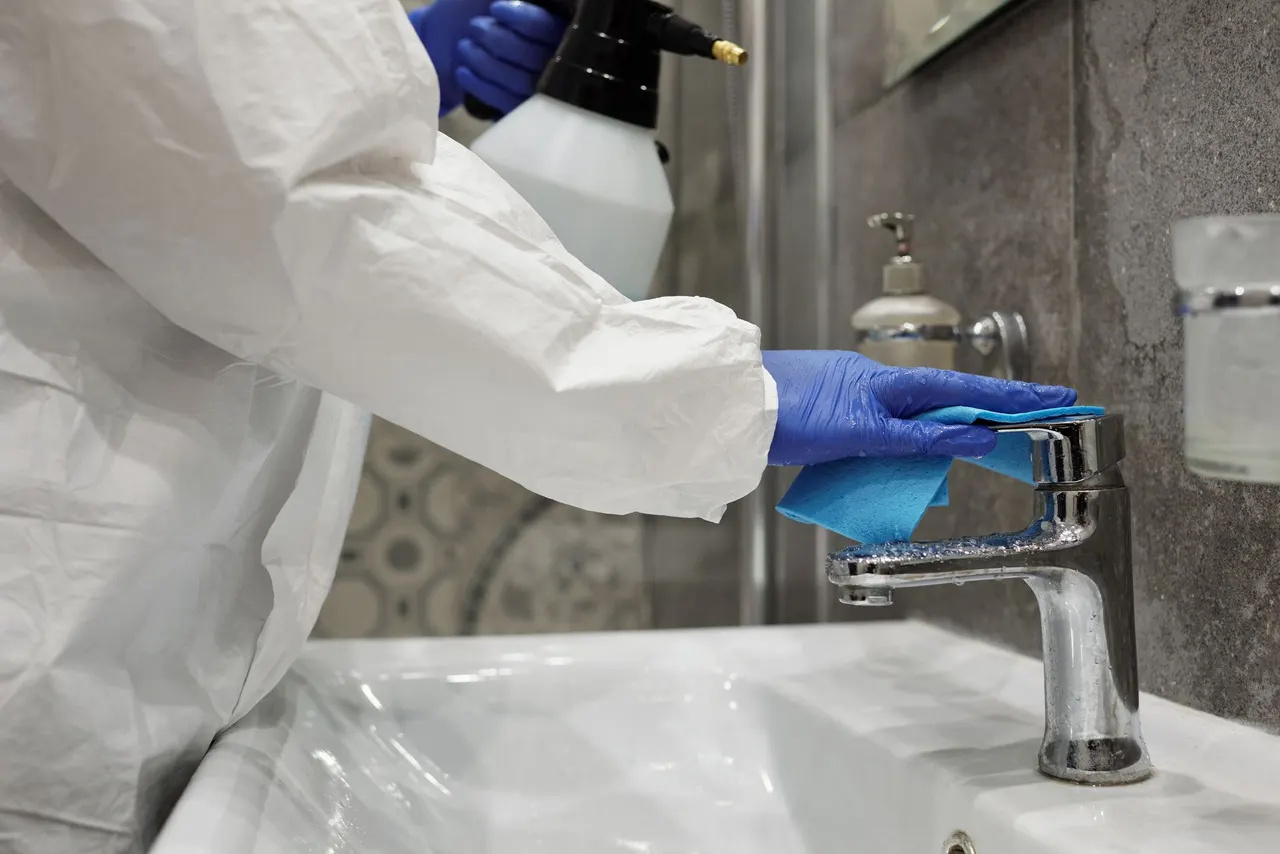
We inspect with a borescope camera, identify the mold source, and coordinate licensed mold remediation if needed. After remediation, we dry the structure and complete the ceiling repair. A musty odor usually means mold is growing in the ceiling cavity. Mold can spread through insulation and framing, affecting indoor air quality and requiring licensed remediation.
We isolate the source on the first visit, whether it is a slab leak, a failed pipe fitting or an overflowing AC pan. Stopping the water is step one, and it is the step most homeowners skip. Every hour of delay spreads moisture further into the ceiling cavity and the insulation above it.
We follow the IICRC S500 drying standard and log moisture readings daily. A wet ceiling drywall drying Frisco TX job usually takes three to five days with air movers and a dehumidifier running. We tell you what the numbers are, not just that it feels dry.
After drying, we cut out damaged drywall, replace wet insulation, and finish with joint compound and texture that blends into the surrounding ceiling. You get a ceiling that looks like nothing happened, not a patch you notice every time you walk in the room.
We photograph the damage, log moisture readings, and provide a written scope you can hand to your adjuster. Texas homeowner policies generally cover sudden ceiling water damage from a burst pipe or appliance failure. Having clean documentation makes that claim move faster.
Clear records you can keep and share.
A clear document of what is wet and what we will do.
Readings you can share with your insurance adjuster.
Drywall, texture and paint that matches the surrounding area.
A ceiling stain is a symptom, not the problem. The real issue is the water inside the ceiling cavity, and it will not dry on its own.
The visible stain is often smaller than the actual wet zone. Water travels along joists and pooled insulation before it shows on the surface. Moisture mapping finds the full extent.
Mold can start growing within 24 to 48 hours of a leak. The faster you get drying equipment running, the less likely you are to need remediation. Waiting rarely saves money.
A ceiling that feels dry to the touch can still hold moisture. We use moisture meters and hygrometers to confirm the structure is dry before we repair anything.
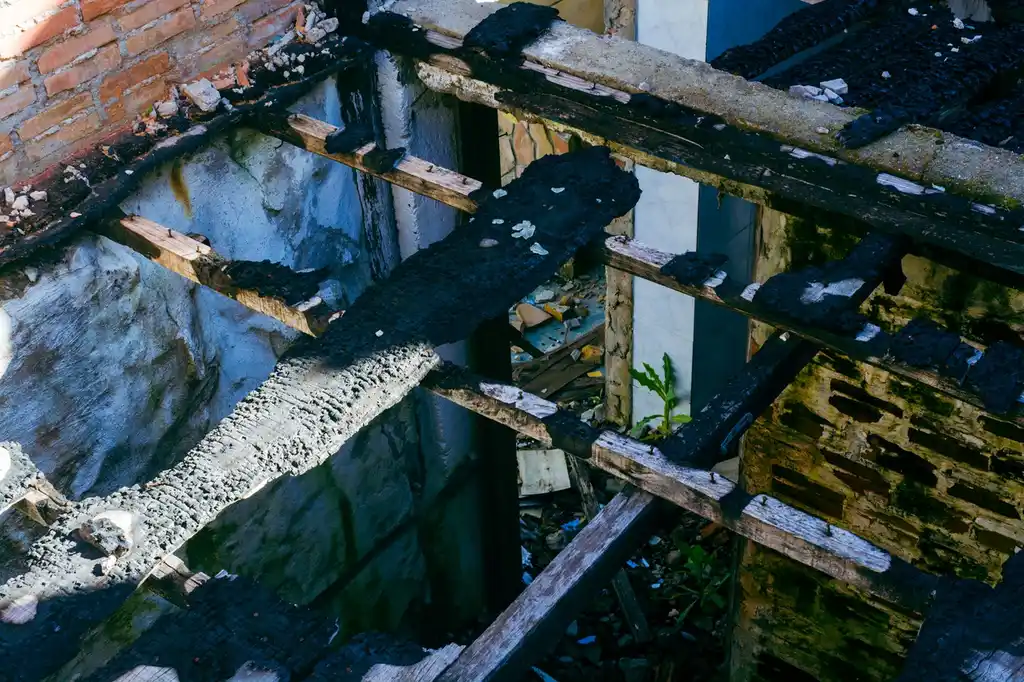
Outside these areas? Call us and we will let you know if we can help. (945) 297-3238
Most ceiling water damage repairs in Frisco run $350 to $1,800 depending on the size of the wet area and whether the source was plumbing or HVAC. Small stains with minimal drying often land near the low end. Larger jobs that need drywall replacement, insulation and painting push higher. We give you a written price before work starts so there are no surprises.
If the drywall is sagging, crumbling or has been wet more than 48 hours, it needs to come out. Drywall that is still structurally sound and wet less than two days can usually be dried in place with air movers and a dehumidifier. We check with a moisture meter and make the call based on readings, not guesswork. Cutting too early wastes money; waiting too long invites mold.
Sudden and accidental damage, like a supply line burst or water heater tank failure, is generally covered under Texas homeowners policies. Damage from long-term neglect or slow leaks is often excluded. We document everything with photos and moisture readings so your adjuster has what they need. We can walk you through the claim process while we are on site.
A wet ceiling typically takes three to five days to dry with professional equipment running continuously. Thicker insulation or a larger wet zone can push it to six or seven days. We check moisture readings daily and do not remove equipment until the structure is confirmed dry. Turning off the equipment early is the fastest way to get mold growth.
A ceiling stain does not get better on its own. Call Rapid Dry Frisco at (945) 297-3238 and we will be on site to find the source, dry the structure and repair the damage. Same-day service available for active leaks.
Call us at (945) 297-3238 or email info@rapiddryfrisco.com. We answer the phone 24/7 for emergencies and schedule same-day visits for non-emergency calls. If you are in Frisco or anywhere in Collin County, we can be at your door fast.