Written scope
What is wet and what we will dry
When a supply line bursts or a water heater lets go, water damage dehumidification Frisco TX pulls that trapped moisture out of your walls, floors and ceilings before mold takes hold. We handle dehumidifiers after water leak Frisco jobs for homeowners, renters and property managers across Collin County. Call (945) 297-3238 and we will get drying equipment running the same day.
Every drying job includes inspection, extraction, equipment setup, daily monitoring and a final dry check. If the job needs mold remediation, drywall replacement or a plumbing repair, we will tell you up front and bring in the right trade.

We dry houses, condos and townhomes across Frisco after leaks, overflows and burst lines. Equipment is sized to your rooms and monitored daily until readings confirm the structure is dry.
We dry offices, retail spaces and rental properties across Frisco after water losses. Work is scheduled around your operating hours and documented with daily readings for your records.
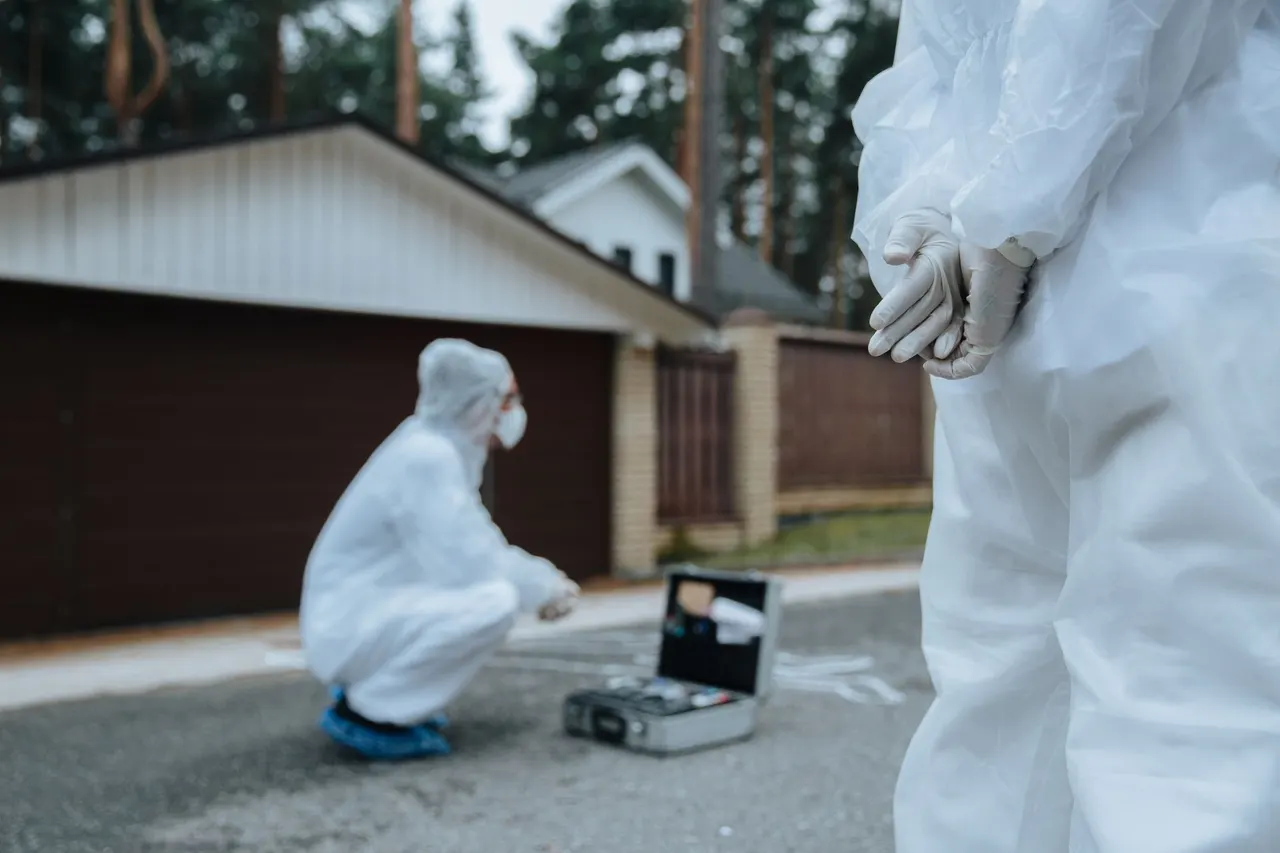
Water damage dehumidification Frisco TX is the controlled removal of moisture from building materials and indoor air after a leak, overflow or burst line. Extraction gets the standing water off your floor, but it never gets the water inside drywall, insulation, carpet pad or a plywood subfloor. We set commercial-grade dehumidifiers and air movers to pull that vapor out, then we track the numbers with a moisture meter and a hygrometer until your structure reads dry. Without that step, a floor that feels dry on top keeps feeding mold behind the baseboard.
Frisco homes run into this constantly. Slab foundations hold cold, AC condensate lines clog in July, and ice maker lines behind the fridge drip for weeks before anyone notices. We see dehumidification after appliance leak Frisco calls every week, and most of them start with a homeowner who mopped up and thought they were done. If you are searching water damage dehumidification near me because a wall still feels cool and damp, that is trapped moisture talking. We measure it, dry it and prove it with readings.
Extraction gets the water off the floor. Dehumidification gets it out of the walls.
Every job follows the same five steps, whether it is a toilet overflow in The Trails or a commercial dehumidifier water damage Frisco call at a retail space.

You call (945) 297-3238 and we ask what leaked and when. A technician arrives, walks the space with a moisture meter and a thermal imaging camera, and finds the wet boundaries you cannot see. This usually takes 30 to 45 minutes and you get a clear picture of what is wet and what is not.

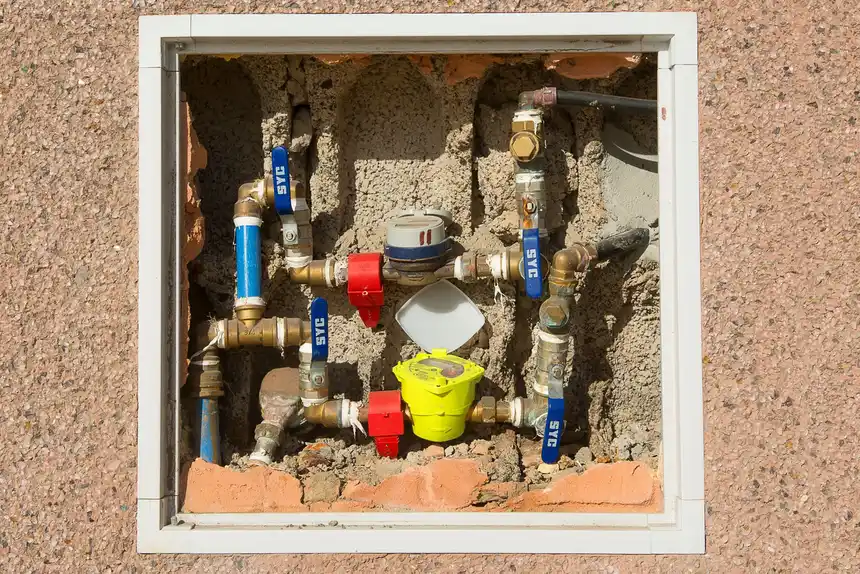
Before any drying starts, we pull the standing water with a water extraction unit and a wet/dry vacuum, then check the source. If a supply line or pipe fitting is still leaking, that gets handled first. Skipping this step just means your dehumidifiers fight water that keeps coming back.
We place Dri-Eaz and Phoenix Restoration Equipment dehumidifiers with air movers aimed along walls, under cabinets and across wet carpet. A hygrometer tracks relative humidity in each room. On a typical Frisco bedroom we run one dehumidifier and three to four air movers for 24 hours a day.
Drying is not set-and-forget. We come back each day, take moisture readings on drywall, baseboard and subfloor, and adjust equipment placement. If a wall is still holding water after 48 hours, we may open a small inspection hole and dry the cavity directly.
We do not pull equipment until readings match a dry standard for the material. You get the final numbers, photos of the process and a walkthrough. Most jobs wrap in three to five days; heavier saturation from a slab leak or washing machine hose burst can run seven.
Pull 80 to 130 pints of water a day from the air in a typical Frisco home, sized to the cubic footage of the affected area.
Used on larger residential and commercial jobs where a single unit cannot keep up with the moisture load.
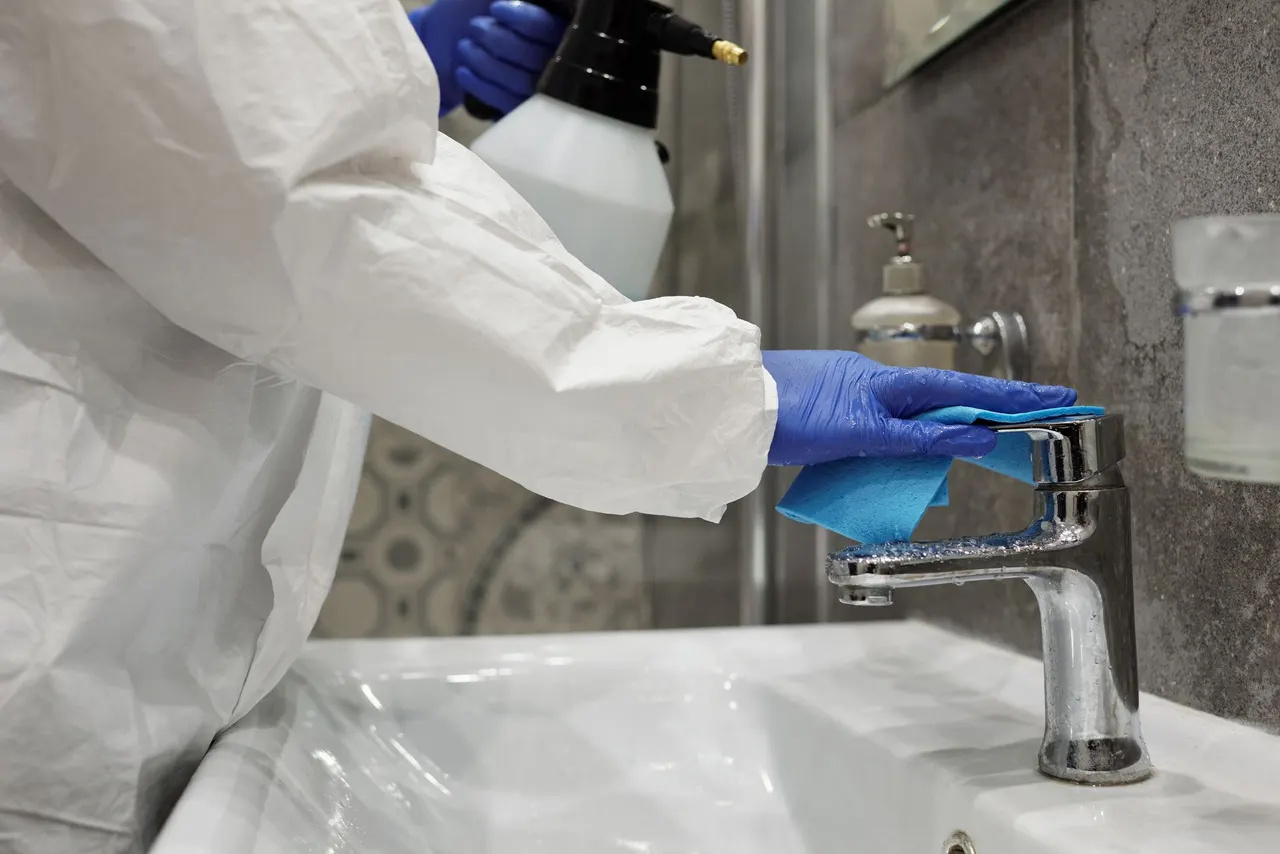
Push air along walls, under cabinets and across wet carpet so moisture evaporates faster and the dehumidifiers can capture it.
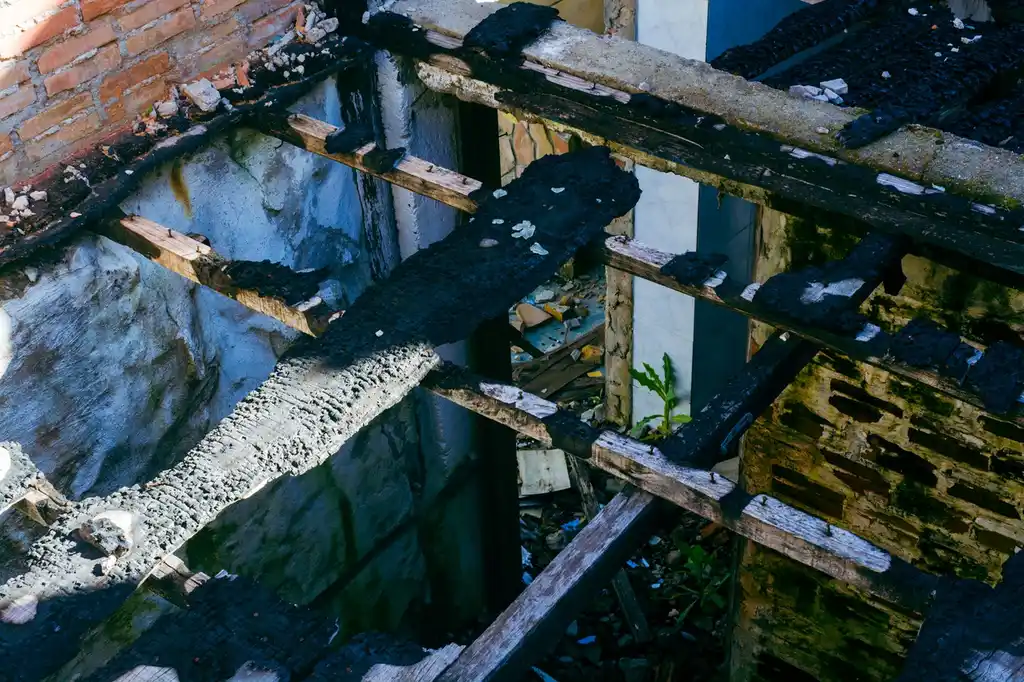
Measure moisture content in drywall, wood and subfloor and track relative humidity in each room daily.

Reveals cool, wet areas behind walls and under floors that you cannot see or feel.

Looks inside wall cavities through a small hole to confirm whether insulation and framing are wet.
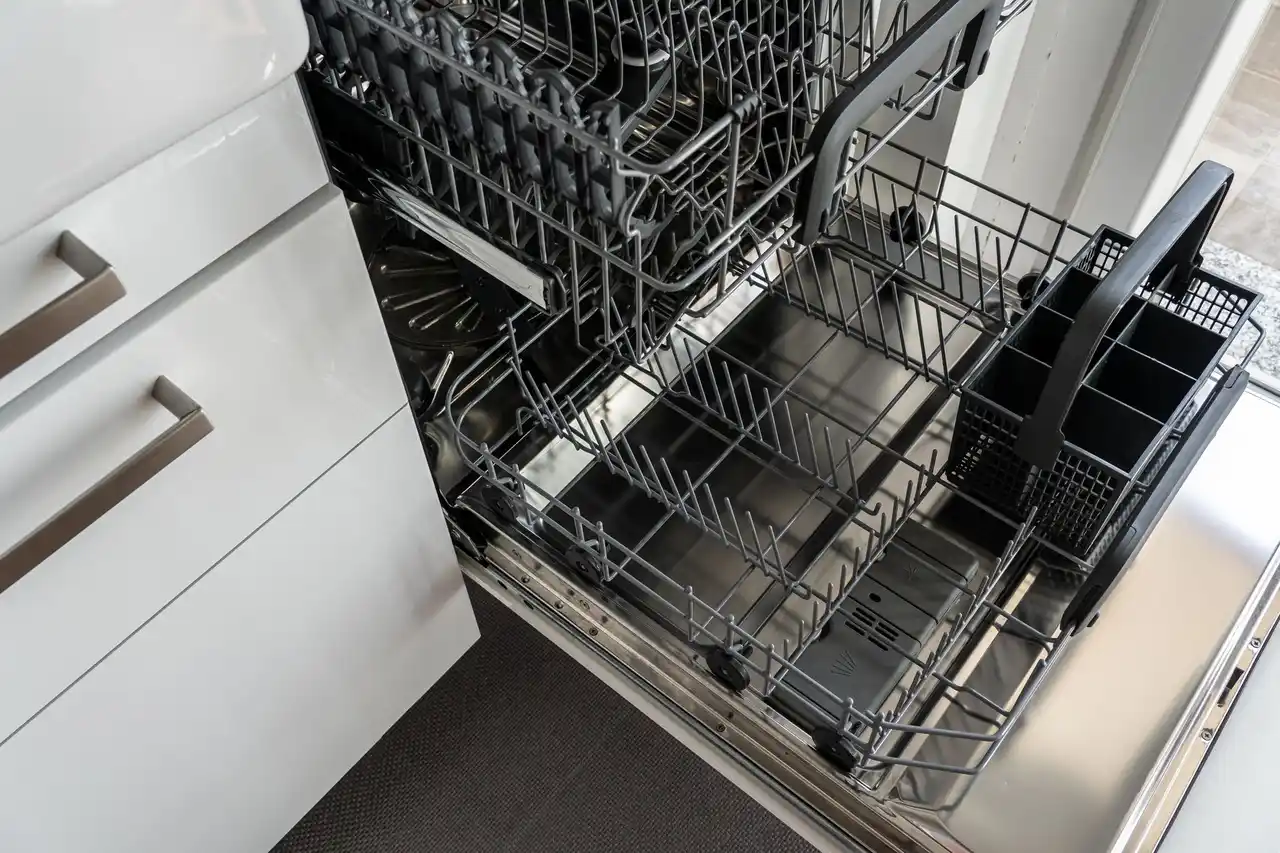
Remove standing water from carpet, hard flooring and low spots before drying equipment goes in.

We follow the standard for water damage restoration, which sets how extraction, air movement and dehumidification are sequenced and how dry standard readings are determined for each material type.
We extract the standing water, pull the carpet back to check the pad, and set dehumidifiers with air movers aimed under the carpet edge. Daily readings track the subfloor and pad until both hit dry. Carpet pad dried in place, no replacement needed, and the room was back in use in four days.
We clear the drain line, dry the ceiling cavity and closet drywall with targeted dehumidification, and check the pan and float switch so it does not repeat next summer. Ceiling and wall dried without a tear-out, and the customer avoided a repeat overflow the following season.
We extract the garage water, dry the concrete and the bedroom baseboard and drywall, and check the wall cavity with a moisture meter before closing up. Bedroom dried in three days, baseboard saved, and the new water heater went in on a dry footprint.
We extract on both levels, dry the bathroom floor and the ceiling cavity below with dehumidifiers and air movers, and monitor daily until both read dry. No ceiling replacement needed and no musty smell developed in the room below.
Frisco sits on expansive clay soil and most homes are built on slab foundations, which changes how water behaves. Water from a slab leak or a supply line burst spreads sideways under the floor and can travel 10 to 15 feet from the source before it shows at a baseboard. That is why we map with a thermal imaging camera before we set equipment. Summer here pushes indoor humidity high, and a clogged AC condensate overflow is one of our most common calls from June through September. Winter brings the opposite problem: a hard freeze can split a pipe in an exterior wall, and the water sits until it thaws. Newer builds in Phillips Creek Ranch and Christie Ranch use tighter envelopes, which holds moisture in once it gets inside. Older slab homes near Panther Creek and The Trails have more gaps, so water finds more places to hide. If you are searching how long to run dehumidifier after water leak Frisco, the honest answer depends on what the readings say, and we check them daily.
A burst hose ran for roughly 20 minutes before the homeowner shut the valve. The laundry room, hallway and two closet floors were wet, and the carpet pad was saturated across about 400 square feet.
We extracted standing water within two hours, set one LGR dehumidifier and four air movers, and dried the pad in place over four days. Final readings confirmed dry subfloor and pad. No carpet replacement needed.
Replace rubber washing machine hoses with braided stainless steel and shut the supply valves when you leave for more than a few days.
A clogged condensate line overflowed the pan and soaked a hallway ceiling and closet wall. The ceiling showed a growing stain and the closet smelled musty after three days.
We cleared the drain line, dried the ceiling cavity and closet drywall with targeted dehumidification, and confirmed dry readings in four days. No ceiling replacement was needed and the odor cleared.
Pour a cup of vinegar down the condensate drain every spring, and check the pan and float switch before the cooling season starts.
A 50-gallon tank failed overnight and released water across the garage floor and under the wall into an adjacent bedroom. The bedroom carpet and baseboard were wet along a 12-foot run.
We extracted the garage and bedroom, dried the concrete, baseboard and carpet pad over three days, and verified readings before the new tank was installed. Baseboard was saved.
Flush the water heater annually and check the pan and drain. Replace any tank showing rust or popping sounds before it fails.
If you are searching water damage dehumidification near me because something still feels damp, these are the situations we run into most in Frisco.
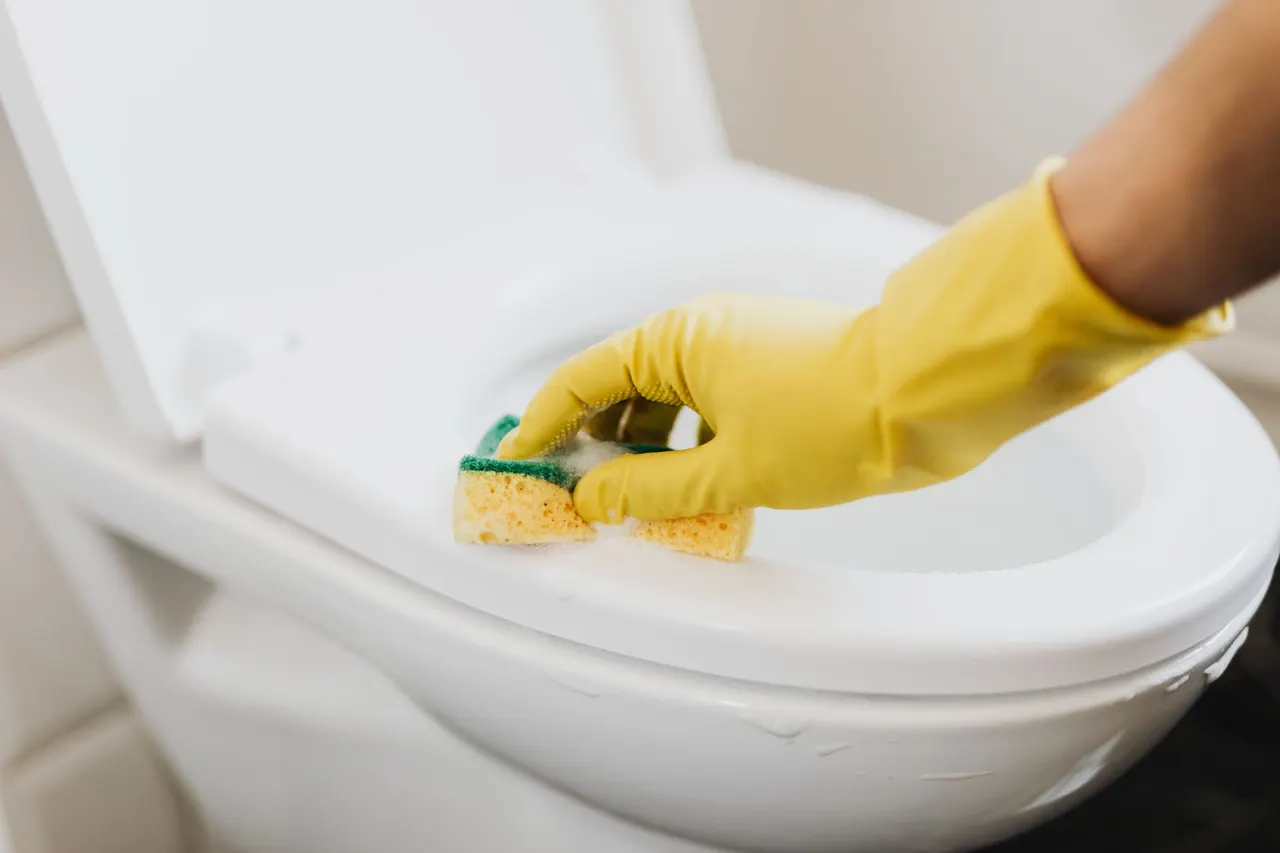
We find the moisture source with a thermal imaging camera, dry the affected materials with dehumidifiers and air movers, and confirm with readings. If mold is already present, we bring in a Texas Department of Insurance licensed mold remediation partner. That smell is mold or bacteria growing in wet drywall, carpet pad or subfloor. Left alone it spreads and can affect air quality across the whole house.
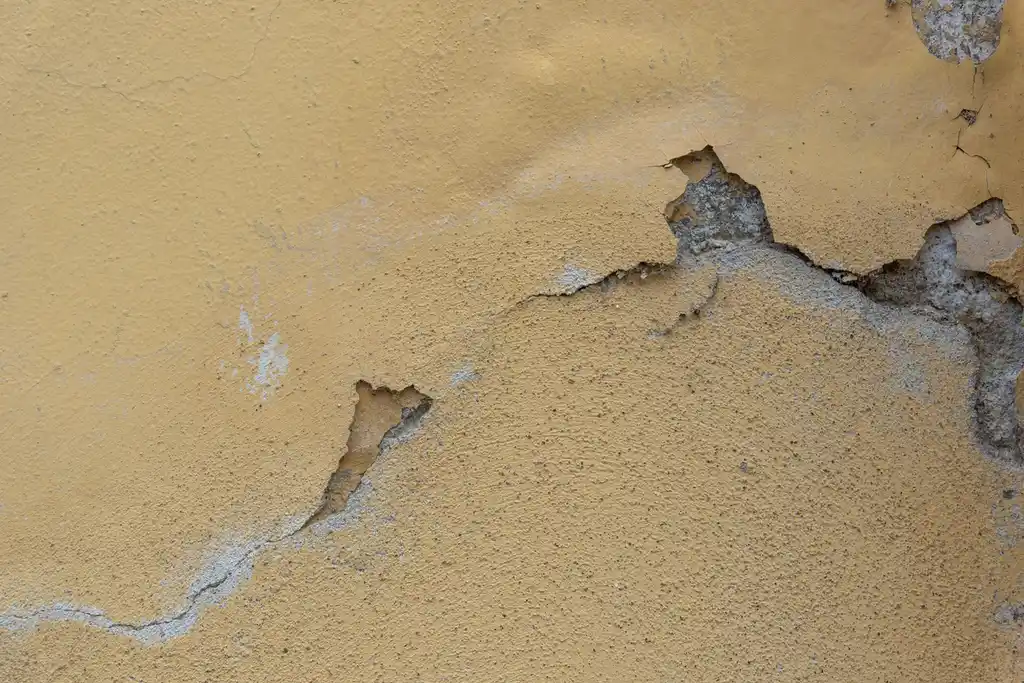
We extract fast and start drying within hours, which saves most floors caught early. On a recent job we dried 600 square feet of subfloor in place and avoided a full tear-out. Plywood subfloor and hardwood swell when they stay wet. Once they cup or delaminate, sanding will not fix it and replacement gets expensive.
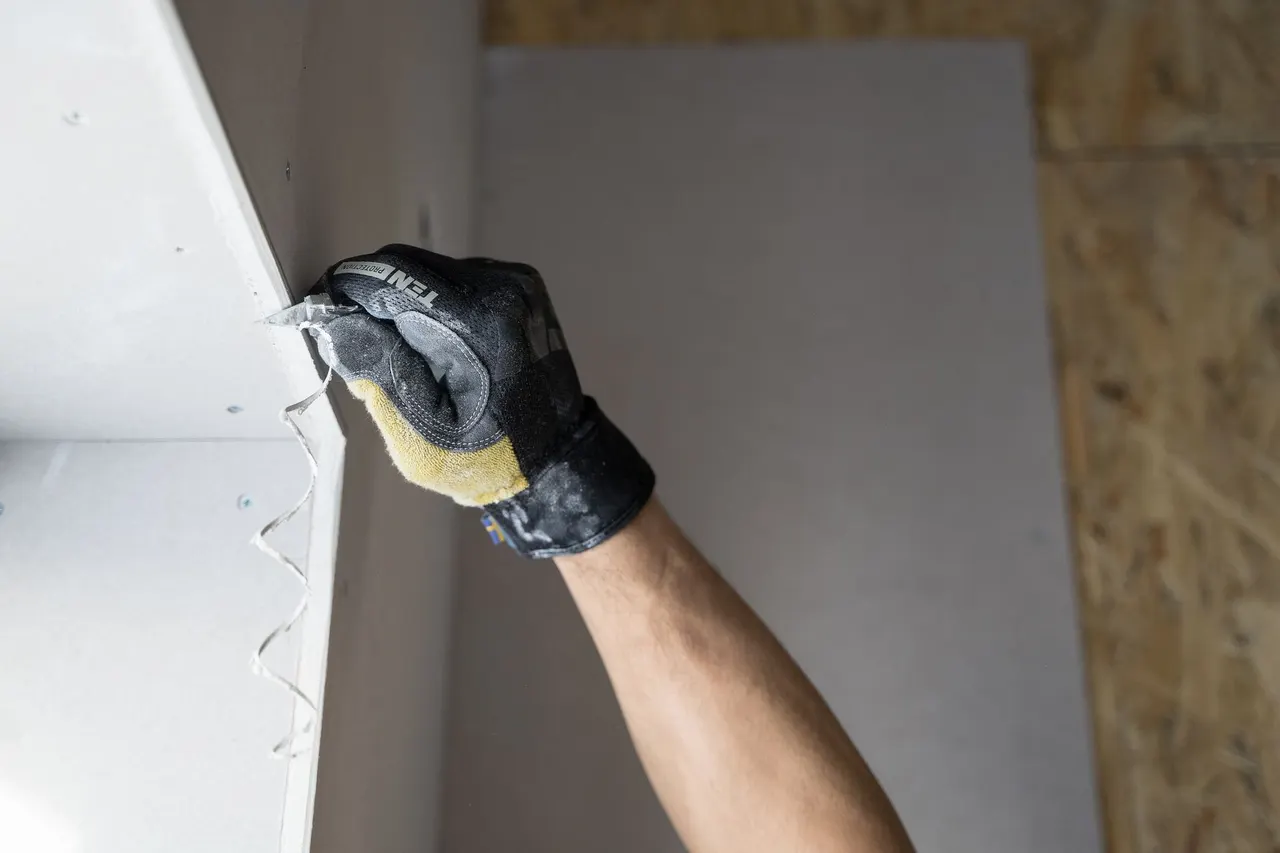
We trace the source, dry the ceiling cavity with targeted air movement and dehumidification, then repair the drywall and joint compound once readings confirm it is dry. A ceiling water stain means water is pooling above the drywall. Ignoring it leads to sagging, a collapse risk and mold in the ceiling cavity.

We size commercial dehumidifiers to the space and run them until the hygrometer reads in a normal range. On a typical Frisco home that means pulling 80 to 130 pints of water a day for the first 48 hours. When indoor humidity stays above 60 percent, everything in the house stays damp, from furniture to bedding. It is a breeding ground for mold and dust mites.
Mold can colonize a wet wall in 24 to 48 hours. We run dehumidifiers and air movers together so the humidity in the room drops fast, often below 50 percent within the first day. That window is the difference between drying drywall and cutting it out.
Carpet pad, hardwood and plywood subfloor all soak up water and swell. Drying within the first 24 to 72 hours saves most of them. On a recent Panther Creek job we dried 600 square feet of carpet pad in place instead of replacing it, which kept the repair under $900.
Every hour water sits, more material has to come out. Fast dehumidification after appliance leak Frisco work means we remove less drywall, replace less baseboard and repaint fewer rooms. Customers regularly save several hundred dollars just by calling the same day.
You want to sleep in your own bed and stop smelling that damp, musty odor. We aim to have equipment out and rooms back in service in three to five days on a typical residential job, with daily readings so you can see the progress instead of guessing.
Clear records you can keep and share.
What is wet and what we will dry
Moisture numbers logged each visit
Readings and photos for your records
A floor that feels dry on top can still be soaked underneath. Drying is about what the meter reads inside the material, not what your hand feels.
Drywall can feel dry while the paper backing and insulation behind it stay wet. We check the cavity with a meter and a borescope before we call anything dry.
Dehumidifiers alone pull moisture from the air, but wet materials release it slowly without airflow. Air movers aimed along walls and under edges speed that release.
A toilet overflow may dry in two days while a slab leak takes a week. The material type and how long the water sat decide the timeline, not a fixed schedule.
Outside these areas? Call us and we will let you know if we can help. (945) 297-3238
Most Frisco jobs run three to five days, with equipment on 24 hours a day. Light saturation from a toilet overflow may dry in 48 hours. A slab leak or washing machine hose burst that soaked the subfloor can take seven days. We take daily moisture readings and pull the gear only when the material hits a dry standard, so the timeline follows the numbers, not a guess.
Yes, if more than a small area got wet or the water sat longer than a few hours. A consumer unit pulls maybe 20 to 30 pints a day and cannot reach inside a wall cavity. Professional LGR dehumidifiers pull 80 to 130 pints a day and work with air movers to dry drywall, insulation and subfloor. That is the difference between drying and replacing.
Because extraction only removes standing water. The moisture left inside drywall, carpet pad and plywood subfloor has to evaporate, and if it evaporates into your indoor air it just re-condenses on cool surfaces. Dehumidifiers pull that vapor out of the air so the wet materials keep releasing moisture. Air movers speed that up. Together they dry the structure instead of just the surface.
Typical 2026 pricing in Frisco runs $350 to $1,200 for a residential drying setup, depending on square footage, how many rooms are affected and how many days the equipment runs. Commercial spaces run higher. We give you a clear number before we start, and most homeowner insurance policies cover the drying portion of a covered water loss.
Every hour counts when water is inside your walls. Call Rapid Dry Frisco at (945) 297-3238 and we will get extraction and drying equipment running, usually the same day. We measure the moisture, dry the structure and show you the readings before we pull a single piece of gear.
Call us at (945) 297-3238 or email info@rapiddryfrisco.com. We answer the phone 24/7 for emergencies and schedule same-day visits for non-emergency calls. If you are in Frisco or anywhere in Collin County, we can be at your door fast.