Moisture readings
Percentage readings for every affected material.
Hidden water damage detection Frisco TX starts with a trained eye and the right tools. We use thermal imaging water damage Frisco scans and moisture meters to find leaks behind walls, under floors, and inside ceilings before mold takes hold. If you have a stain, a soft spot, or a musty smell, we will tell you exactly where the water is and how wet it really is.
Every inspection covers the full affected area with multiple tools. We do not guess. We measure, confirm, and document. If drying or extraction is needed, we can start the same day and credit the inspection fee toward the work.
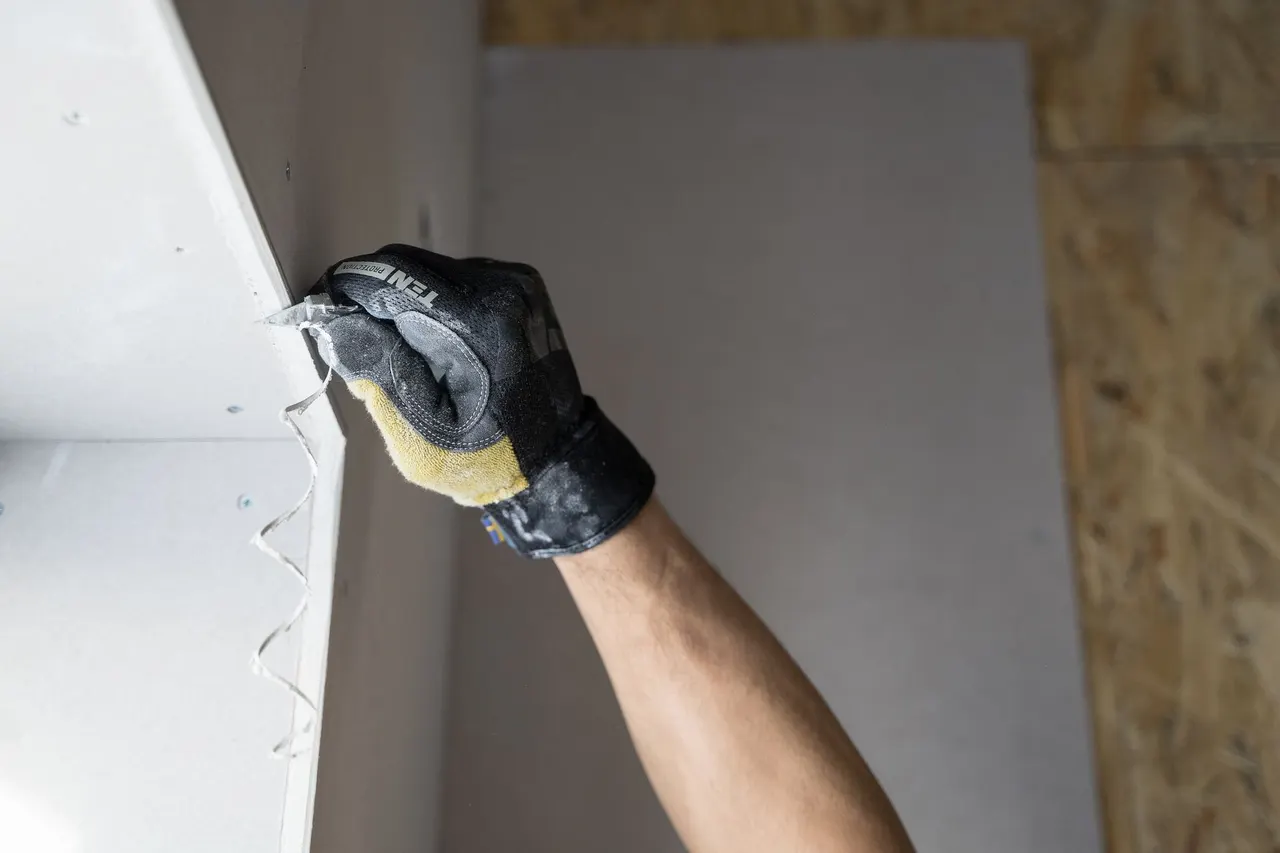
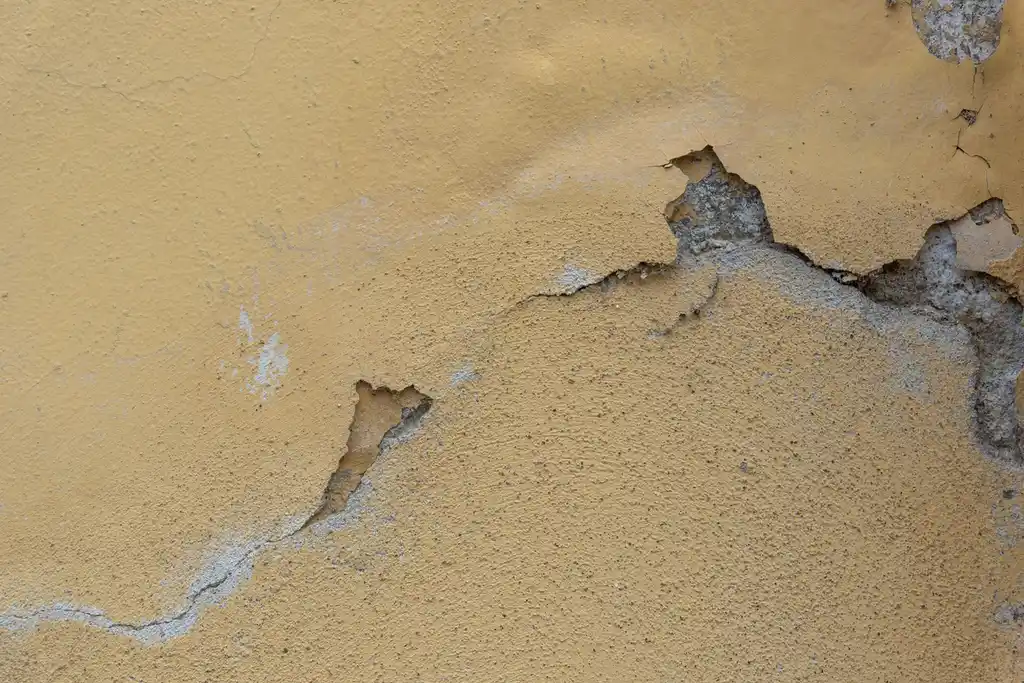
We scan your walls, ceilings, floors, and cabinets to find water you cannot see. You get readings, photos, and a clear plan before any work starts.
We work with property managers and business owners to find moisture before it disrupts operations. We schedule around your hours and document everything for your records.
Hidden water damage detection Frisco TX is a diagnostic service that uses moisture meters, thermal imaging cameras, and hygrometers to locate water you cannot see. We scan walls, ceilings, floors, and cabinetry for temperature differences and elevated moisture readings that signal a leak. A wet drywall moisture reading Frisco homeowners ignore today becomes a mold problem and a rotted subfloor within weeks. We measure first, then explain what we found in plain terms.
Frisco homes deal with slab leaks, AC condensate overflow, and supply line bursts year-round. Summer humidity and winter freeze events both push water into places you would never check. If you are searching for hidden water damage detection near me, we cover 75034, 75035, and 75033 with same-day appointments. We bring a borescope camera and a moisture meter water damage Frisco residents can trust to see inside wall cavities without tearing anything open.
We measure before we cut, so you only open what is actually wet.
Every job follows the same five steps. You will know what we are doing and why at each stage.

We start by asking what you noticed and when. A ceiling stain, a warped baseboard, a musty closet, or a spike in your water bill all point us in different directions. This takes about 10 minutes and shapes the entire inspection.
We run a thermal imaging camera across walls, ceilings, and floors. Cool spots show where evaporation is happening, which usually means water is present. The scan covers the whole affected room in under 15 minutes and gives us a map of suspect areas.

We press a pin-type or pinless moisture meter against each suspect area to get a percentage reading. Drywall reads under 1 percent on a pin meter. Anything above 16 percent on a pinless meter means the material is holding water and needs attention.

Once we know where the water is, we find where it is coming from. A borescope camera goes inside the wall cavity. We check supply lines, drain fittings, and the AC condensate pan. You get a clear answer, not a guess.

We hand you a summary with moisture readings, photos, and a recommended drying plan. If extraction or structural drying is needed, we can start the same day. If it is a plumbing issue, we tell you what to fix before we dry.
Detects temperature differences caused by evaporative cooling from hidden moisture. We use it to map suspect areas before confirming with a meter.
Measures moisture content in drywall, wood, and other materials by inserting pins. Gives a percentage reading that tells us if the material is wet.

Scans surfaces without leaving holes. Useful for quick checks across large areas like floors and walls before pinpointing with a pin meter.
Goes inside wall cavities through a small hole to let us see insulation, framing, and plumbing without major demolition.
Measures relative humidity in the air. High humidity slows drying and can indicate moisture is still evaporating from materials.
Confirms surface temperature readings from the thermal camera. Helps us distinguish between moisture and other causes of temperature variation.
We follow IICRC Water Restoration Technician standards for moisture inspection and drying. This means we document readings, establish drying goals, and monitor daily until materials reach normal moisture levels.
We scan the entire affected area and adjacent rooms to find all moisture, not just the obvious spot. Water travels, and we want to catch every wet area before we set equipment.
We scan the wall cavity and cabinet base with thermal imaging and a moisture meter. Appliance leaks often leave moisture trapped behind the unit where air cannot reach it. You know for certain whether the wall is dry or still holding water. If it is wet, we dry it before mold starts.
We use thermal imaging to see how far the moisture spread in the ceiling assembly. We check the attic side and the room side to get the full picture. You get a clear answer about whether the ceiling can be dried in place or needs repair, plus a drying plan if needed.
We scan the area to confirm it is dry and check for any moisture the repair may have missed. We also check adjacent areas where water could have traveled. You have documentation that the area is dry, or you have proof of a problem to negotiate before closing.
We take moisture readings at the baseboard, the wall cavity, and the floor assembly. Swelling means water is still in the material. We dry the affected materials and confirm with a final moisture check so you know the problem is resolved.
Frisco sits on expansive clay soil that shifts with moisture changes, which puts stress on slab foundations and buried plumbing. We see slab leaks frequently in older neighborhoods like Stonebriar and Panther Creek. Newer construction in Phillips Creek Ranch and Christie Ranch often has PEX supply lines that can fail at fittings. Summer AC condensate overflows are common from June through September. Winter freeze events, like the ones we have seen in recent years, cause supply line bursts in attics and walls. Our thermal imaging water damage Frisco scans account for all of these local conditions. If you are asking is my ceiling still wet after a leak Frisco, we can answer that with a moisture meter reading in minutes.
A homeowner in Starwood noticed a small ceiling stain that kept returning after painting. The AC condensate line had been overflowing slowly for weeks, soaking the ceiling drywall and insulation above.
We found the moisture with thermal imaging, confirmed with a moisture meter at 28 percent, and dried the ceiling cavity in three days. The final reading was under 10 percent and the ceiling was repaired.
Have your AC condensate line flushed annually before summer. We recommend checking the drain pan monthly during peak cooling season.
A burst hose in a Phillips Creek Ranch laundry room sent water under the tile and 4 feet up the wall. The homeowner mopped the floor but did not realize the wall cavity was soaked.
We detected moisture in the wall cavity and subfloor, extracted standing water, and set up structural drying for four days. Final readings confirmed the wall and floor were dry.
Replace rubber washing machine hoses with braided stainless steel every five years. Check the hose connections for cracks twice a year.
A homeowner had a high water bill and a musty smell in the hallway but no visible water. A slab leak had been seeping for weeks, wicking up into the baseboards and drywall.
We mapped the moisture with thermal imaging and a moisture meter, documented readings, and dried the affected area in five days. The plumber repaired the slab leak and we confirmed the structure was dry.
Watch your water bill for unexplained increases. If you smell musty odors near the floor, call for a moisture inspection before the damage spreads.
Hidden water does not fix itself. These are the problems we see most often in Frisco and how we solve them.

We scan the ceiling with thermal imaging to find the moisture source, confirm with a moisture meter, and trace it back to the leak. Once the source is fixed, we dry the ceiling cavity and confirm it is dry before repair. Paint traps moisture in the drywall, causing it to bubble, peel, and grow mold. The stain returns within weeks and the damage spreads.
We use a moisture meter and thermal camera to find the hidden moisture source, whether it is a slab leak, a slow supply line drip, or a failed pipe fitting. We document the readings and dry the area. Musty odors mean mold is already growing somewhere you cannot see. It gets worse over time and can affect air quality throughout the house.
We detect how far the moisture has spread under the floor, extract any standing water, and set up structural drying. We monitor daily until the subfloor reads dry. Warping means the subfloor and framing are wet. If ignored, the wood rots and the floor becomes unsafe. Repair costs multiply quickly.
We scan the slab and walls with thermal imaging and moisture meters to locate the leak path. We document our findings so your plumber can make the repair, then we dry any affected materials. A slab leak or buried supply line can waste thousands of gallons per month. The water erodes soil, cracks foundation, and eventually finds its way into your home.
Mold can colonize a wet wall in 24 to 48 hours. When we catch hidden moisture behind walls Frisco TX before it spreads, you avoid the tear-out, the remediation bill, and the air quality problems that come with it. One scan today saves thousands tomorrow.
A ceiling stain does not always mean a roof leak. We use thermal imaging water damage Frisco scans and a borescope camera to trace water back to its source, whether that is a supply line, an AC condensate line, or a failing pipe fitting behind the drywall.
Adjusters want proof. We record moisture readings, thermal images, and affected square footage so your claim is accurate. That documentation often speeds up approval and prevents disputes about what was wet and what was not.
Guessing leads to wasted equipment and unnecessary demolition. Our readings tell us exactly which cavities need air movers and which are already dry, so we place dehumidifiers and air movers where they actually matter and save you money on the back end.
Clear records you can keep and share.
Percentage readings for every affected material.
Photos showing where moisture is present.
A clear report you can share with your plumber or insurer.
Moisture detection is not the same as drying. Detection tells you where the water is and how wet the materials are. Drying is the process of removing that moisture.
Detection is the diagnostic step. Drying is the work that follows. You need detection first so you know what to dry and how long it will take.
Your hand cannot feel moisture inside a wall. A moisture meter gives a number you can track. That number tells us when drying is complete.
Call when you see a stain, smell something musty, or notice warped materials. The sooner we scan, the less damage you deal with.
Outside these areas? Call us and we will let you know if we can help. (945) 297-3238
We use a thermal imaging camera to spot temperature differences that indicate moisture, then confirm with a pin-type or pinless moisture meter. A borescope camera lets us look inside the wall cavity without cutting drywall. The whole process takes 30 to 60 minutes for a typical room. You get readings, photos, and a clear answer about what is wet and what is not.
Most moisture detection inspections in Frisco run $150 to $350 depending on how many rooms and areas we need to scan. If we find moisture and you hire us for the dry-out, we often credit the inspection fee toward the drying work. We give you the price before we start, so there are no surprises.
Yes. Thermal imaging detects temperature differences caused by evaporative cooling, which is what happens when water is present behind a wall or under a floor. It does not see through materials like an X-ray, but it shows us where to point the moisture meter. Combined, the two tools find leaks that would otherwise stay hidden for months.
Yes, always. Appliance leaks often send water under the floor and into the cabinet base where you cannot see it. A washing machine hose burst can release 5 to 10 gallons per minute. Even if the floor feels dry on top, the subfloor and wall cavity behind the appliance may still be wet. We check those areas specifically.
Water spreads fast. Every hour you wait, the damage gets worse and the repair bill goes up. Call Rapid Dry Frisco at (945) 297-3238 and we will be at your door with thermal imaging and moisture meters. Same-day appointments available.
Call us at (945) 297-3238 or email info@rapiddryfrisco.com. We answer the phone 24/7 for emergencies and schedule same-day visits for non-emergency calls. If you are in Frisco or anywhere in Collin County, we can be at your door fast.