Moisture map
Readings showing every wet zone before drying
When a supply line bursts or the water heater lets go, water damage drying Frisco TX is what keeps a small leak from turning into a mold job. We run structural drying Frisco homeowners call for at 2 a.m. and after weekend storms, pulling moisture out of drywall, carpet pad, and plywood subfloor before it spreads. We show up, measure, and dry the structure to standard.
Every structural drying job includes moisture mapping, extraction if needed, equipment setup, daily monitoring, and a final dry check with a reading log. Here is what is covered.

We dry homes across Frisco after appliance leaks, supply line bursts, and overflows. Equipment is sized to your rooms and monitored daily until readings hit dry standard.
We dry commercial spaces across Frisco after leaks and overflows. Work is scheduled around your operating hours so the dry-out does not shut you down.
Structural drying is the controlled removal of moisture from building materials after a leak, overflow, or flood. It is not the same as mopping up standing water. Once the visible puddle is gone, water is still sitting inside drywall, insulation, carpet pad, baseboard, and plywood subfloor. We map that hidden moisture with a moisture meter and thermal imaging camera, then place air movers and dehumidifiers to pull it out of the structure. Drying wet walls and floors Frisco homes properly takes days, not hours, and it follows a documented standard so you know when the structure is actually dry.
Frisco sees the same handful of calls over and over: a supply line burst behind a fridge, an AC condensate overflow staining a ceiling, a water heater tank failure in the garage, or a washing machine hose burst on the second floor. Slab construction is common here, so water has nowhere to drain and spreads sideways under flooring. If you are searching for water damage drying near me after a toilet overflow or an ice maker line leak, the clock matters. Mold can start colonizing wet drywall in 24 to 48 hours, and Collin County humidity slows natural evaporation.
Dry the structure to standard, not to the touch.
Every job follows the same sequence, from the first moisture reading to the final dry check. Here is what you can expect day by day.
We walk the affected area with a moisture meter and thermal imaging camera to find every wet zone, including the ones you cannot see. We check wall cavities with a borescope camera and read ambient conditions with a hygrometer. This takes 30 to 60 minutes and tells us exactly how far the water traveled.
If water is still pooled, we pull it with a water extraction unit and wet/dry vacuum before any drying starts. Extraction removes the bulk of the water so the dehumidifiers are not fighting a puddle. On a typical Frisco appliance leak, this step runs one to three hours.
We position air movers to create airflow across wet surfaces and dehumidifiers to pull moisture out of the air. We use Dri-Eaz and Phoenix Restoration Equipment on most jobs because they hold up under continuous run. Equipment stays in place and runs continuously, usually three to five days.
We return each day to log moisture readings, check the hygrometer, and adjust equipment placement. Drying is not set-and-forget. Materials dry at different rates, and we move air movers as drywall and subfloor readings drop so the whole structure reaches dry standard together.
When moisture readings match dry standard for the material and the day, we pull the equipment and give you a final reading log. If any area is still holding moisture, we keep drying. We do not call a job done because the floor feels dry to the touch.

Reads moisture content in drywall, wood, and subfloor so we know exactly how wet each material is and when it hits dry standard.
Shows temperature differences that reveal hidden moisture behind walls and under floors without cutting anything open.
Pulls moisture out of the air so wet materials can release theirs. Sized to the affected area and run continuously during the dry-out.
Creates airflow across wet surfaces to speed evaporation. Placement is adjusted daily as readings drop.
Reads relative humidity and temperature so we can track whether the drying setup is actually pulling moisture from the air.
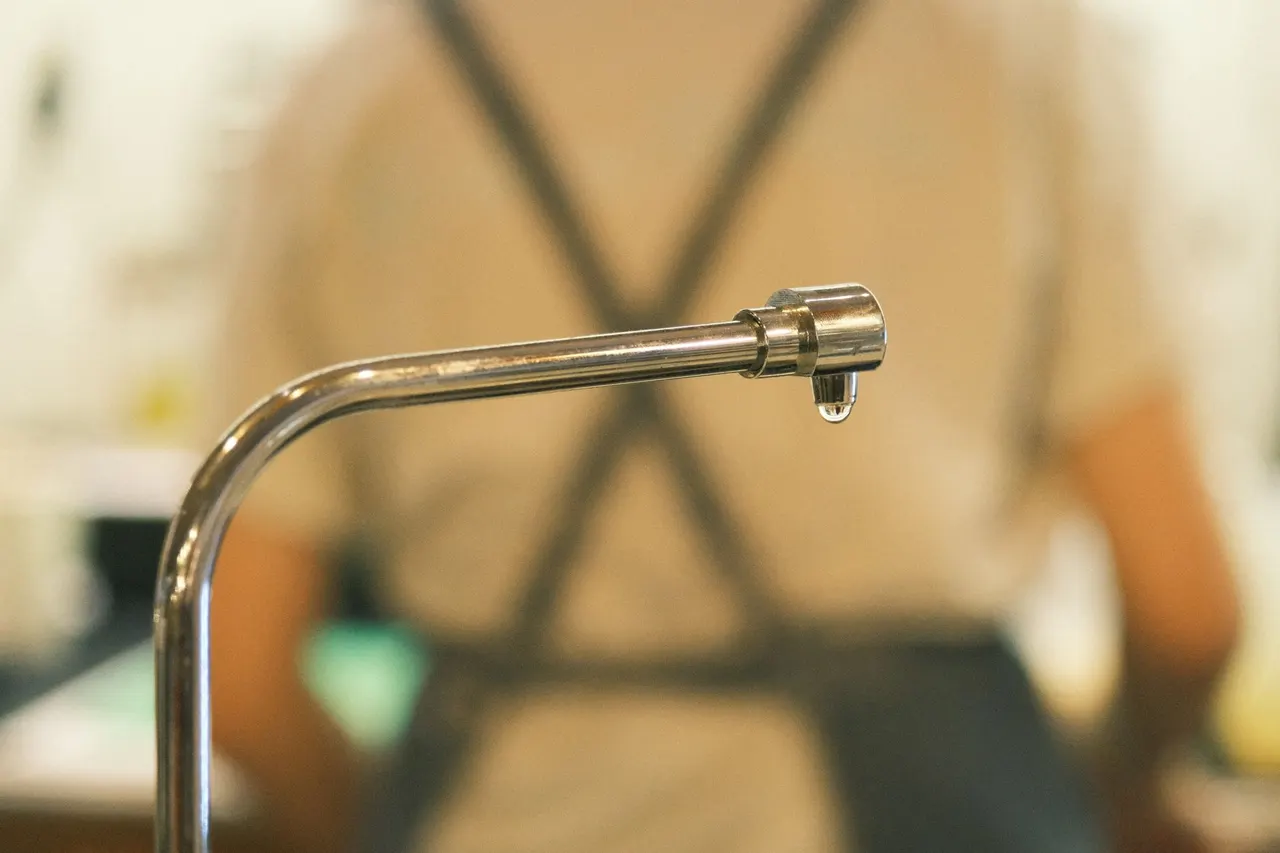
Lets us look inside wall cavities without cutting drywall, so we can confirm hidden moisture and check that the cavity is drying.
Removes standing water before drying starts. We use RIDGID and Shop-Vac units for extraction on most jobs.
The water damage restoration standard that defines how a structure gets dried, from moisture mapping to dry standard. We follow it on every job so the dry-out is documented and defensible.
We extract the standing water, check how far it wicked up the wall with a moisture meter, and set air movers and dehumidifiers on the slab and drywall. Daily readings track the dry-down. Slab and drywall reach dry standard in three to four days, and the wall is saved without replacement.
We extract on both floors, then dry the laundry room floor and the ceiling assembly with equipment sized for the spread. A thermal imaging camera confirms the ceiling cavity is drying. Both floors dry in five days, and the ceiling drywall is repaired rather than replaced.
We map the hidden moisture with a thermal imaging camera and borescope camera, extract what is pooled, and dry the subfloor and cabinet base in place. Subfloor and cabinets dry without tear-out, and the flooring is saved.
We extract, sanitize, and dry the subfloor and ceiling drywall with air movers and dehumidifiers. Daily moisture logs document the dry-down for insurance. Floor and ceiling dry in three days, and the claim is documented from day one.
Frisco sits in Collin County, and the local conditions shape how we dry a structure. Summer humidity runs high, which slows natural evaporation and means dehumidifiers have to work harder to pull moisture from the air. Winter brings the freeze risk that causes supply line bursts and slab leaks when pipes in exterior walls get cold. Most Frisco homes are slab-on-grade, so water from a water heater tank failure or AC condensate overflow has nowhere to drain and spreads sideways under flooring instead of down. Newer construction in Phillips Creek Ranch and Christie Ranch uses engineered flooring and tighter wall assemblies that hold moisture longer than older homes. We size the dry-out to the building, not a template. If you are searching for water damage drying 75033 Frisco or water damage drying 75036 Frisco, we run equipment in your neighborhood regularly and know what these homes need.
A 50-gallon water heater tank failed overnight and dumped water across the garage slab. It wicked up 14 inches of the adjacent drywall and soaked the baseboard. The homeowner found it the next morning with standing water still on the slab.
We extracted the standing water, set air movers and dehumidifiers on the slab and wall, and logged readings daily. Four days later, slab and drywall hit dry standard. The drywall was saved without replacement, and the baseboard was dried in place.
Check the water heater anode rod every two to three years and watch for rust or moisture at the base. A drip pan under the tank buys you time if it fails again.
A washing machine hose burst on the second floor and ran for 20 minutes before the homeowner shut off the supply. Water came through the ceiling below and soaked the laundry room floor, ceiling drywall, and insulation in the ceiling cavity.
We extracted on both floors, then dried the laundry room floor and ceiling assembly with equipment sized for the spread. A thermal imaging camera confirmed the ceiling cavity was drying. Five days later, both floors hit dry standard, and the ceiling drywall was repaired rather than replaced.
Replace rubber washing machine hoses with braided stainless steel lines and shut off the supply valves when you leave for vacation. Hoses fail most often under constant pressure.
An ice maker line leak behind the fridge ran for weeks before the homeowner noticed cupping in the engineered flooring. Moisture had spread under the flooring and into the cabinet base. Nothing looked wet on the surface.
We mapped the hidden moisture with a thermal imaging camera and borescope camera, extracted what was pooled, and dried the subfloor and cabinet base in place. Readings dropped to dry standard in four days. The flooring and cabinets were saved without tear-out.
Check the ice maker supply line behind the fridge once a year for cracks or moisture. A small drip there is easy to miss until the floor shows it.
Most Frisco leak calls look minor on the surface and are not. Here are the problems we see most and how drying fixes them.
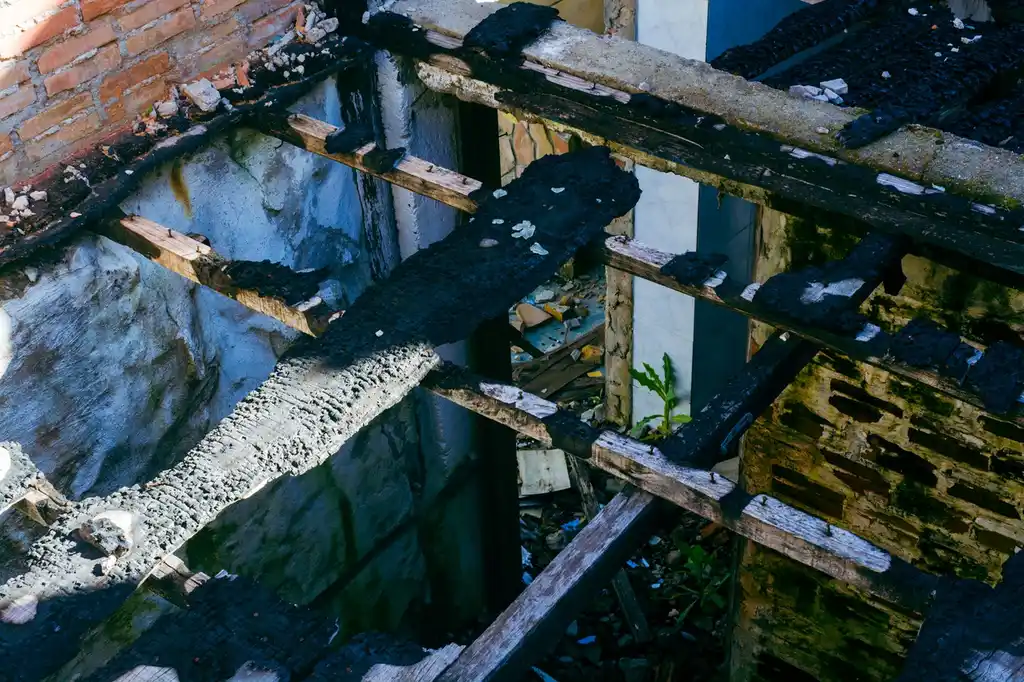
We check wall cavities with a borescope camera and thermal imaging camera, then dry the cavity with air movers and dehumidifiers before closing anything up. Drying wet drywall after leak damage in place saves the wall when readings confirm it is dry. Water wicks up drywall and along studs into rooms that look dry. Left alone, it feeds mold growth and rots the framing behind the wall.
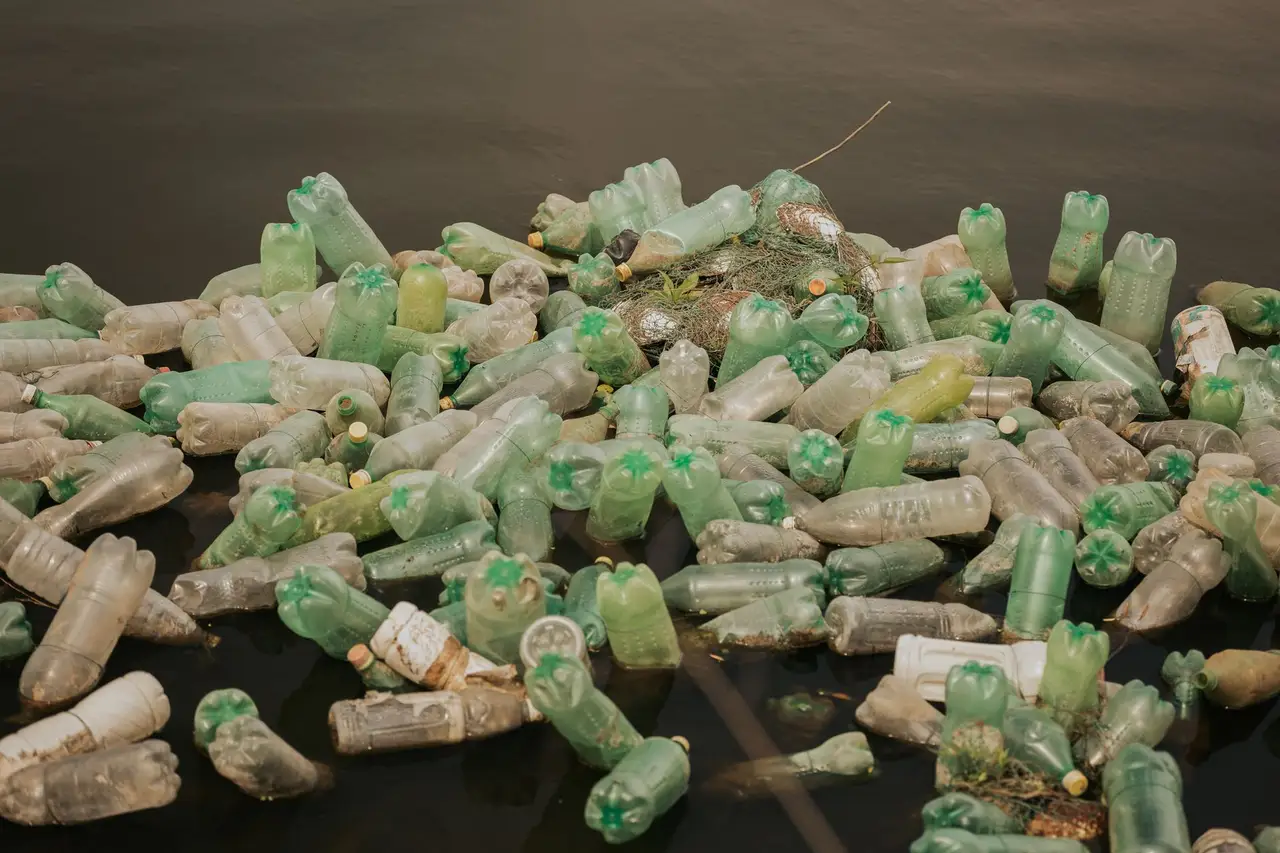
We extract, then run controlled drying with air movers and a hygrometer to bring subfloor readings down slowly. Drying hardwood floor after leak damage in place keeps boards flat and saves the subfloor. Wood cups, crowns, and delaminates when it stays wet. A wet subfloor can mean replacing the whole floor instead of drying it.

We find the source, dry the ceiling cavity, and check readings daily. Once dry, we repair the drywall with joint compound. No tear-out unless the drywall is too far gone to save. A stain means water is sitting above the drywall. Ignoring it leads to sagging drywall, insulation damage, and mold in the ceiling cavity.
We map the moisture, dry the affected materials to dry standard, and document the readings. If mold is present, we work under Texas Department of Insurance licensed mold remediation rules to handle it correctly. The smell is mold. By the time you notice it, growth has usually been running for a week or more in the subfloor or baseboard.
Mold needs 24 to 48 hours of moisture to take hold. We start drying wet drywall after leak calls the same day, pulling relative humidity down with dehumidifiers so the cavity dries below the threshold where growth begins. That single window is the difference between a drywall patch and a full remediation.
Drying hardwood floor after leak damage is a race. Wood cups and crowns when it stays wet, and plywood subfloor delaminates. Controlled drying with air movers and a hygrometer keeps boards flat and saves the subfloor, which is far cheaper than replacing a whole room of flooring.
We log moisture readings daily with a moisture meter and infrared thermometer, so you have a record of what was wet and when it dried. That documentation supports your claim and shows the structure reached dry standard, not just that it looked dry on the surface.
Water wicks up drywall and travels along studs into rooms that look untouched. A borescope camera lets us check inside wall cavities without cutting. Catching that hidden moisture early prevents ceiling water stains, warped baseboard, and the musty smell that shows up weeks later.
Clear records you can keep and share.
Readings showing every wet zone before drying
Moisture numbers recorded each day of the dry-out
Readings confirming the structure hit dry standard
Drying a structure is not the same as drying the surface you can see. Water travels into cavities and under flooring, and it has to come out through controlled airflow and dehumidification.
A floor can feel dry while the subfloor underneath still holds moisture. We check with a moisture meter, not by touch. The numbers decide when the job is done.
Air movers alone just move moisture around the room. Dehumidifiers pull it out of the air so wet materials can keep releasing. You need both running together.
A small leak that sat for a week can be worse than a big one caught in an hour. Water wicks further the longer it sits, and mold starts within 24 to 48 hours.

Outside these areas? Call us and we will let you know if we can help. (945) 297-3238
Most Frisco homes dry in three to five days with equipment running continuously. A small appliance leak in one room can finish in two to three days. A two-story washing machine hose burst that soaked subfloor and ceiling drywall can run five to seven days. We check moisture readings daily and keep drying until the structure hits dry standard, not the calendar.
Typical 2026 pricing in Frisco runs $1,200 to $3,800 for structural drying, depending on square footage, how many materials are wet, and how long equipment runs. A single-room dry-out sits at the low end. Multi-room jobs with wet subfloor and drywall run higher. Most homeowners file this under their insurance claim, and we document readings to support it.
We compare moisture readings against dry standard for each material, not against how the surface feels. Drywall, plywood subfloor, and hardwood all have different target readings. We log those numbers daily with a moisture meter and hygrometer. When every affected material holds at dry standard for a full day, the structure is dry.
Yes. Extraction removes standing water, but it does not dry the materials that absorbed it. Drywall, carpet pad, and subfloor stay wet after the puddle is gone. Without structural drying, that trapped moisture feeds mold within 24 to 48 hours. Extraction and drying are two separate steps, and you need both.
Every hour a wet wall sits, mold gets closer. Call (945) 297-3238 and we will inspect, map the moisture, and have drying equipment running the same day in most of Frisco. One call covers the dry-out and the leak repair.
Call us at (945) 297-3238 or email info@rapiddryfrisco.com. We answer the phone 24/7 for emergencies and schedule same-day visits for non-emergency calls. If you are in Frisco or anywhere in Collin County, we can be at your door fast.