Repair TipsLocal Guides
Brown Stain on Ceiling After an AC Leak: Is It Mold or Water
A brown ceiling stain after an AC leak is usually dried water minerals and tannins, not mold - but the two look alike and both need the same first step: find the moisture.
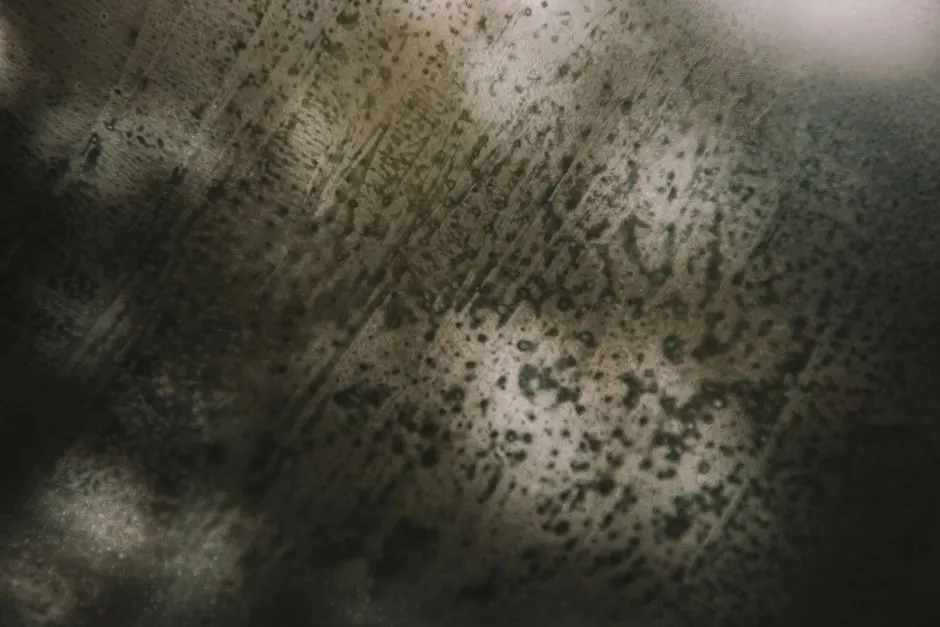
A brown stain on your ceiling after an AC leak is almost always dried water minerals and tannins pulled from the drywall or insulation - not mold. Mold growth on a ceiling is usually dark gray, green, or black, often fuzzy or speckled, and almost always paired with a musty smell.
That said, the two look alike enough that you cannot diagnose either one from the ground with a flashlight. The stain is the symptom. The moisture behind it is the actual problem, and it is the same problem whether mold is growing or not. Here in Frisco, where AC units run hard from May through October, we see this call weekly - and the fix starts with finding out what is still wet above that drywall.
Is a Brown Stain on Your Ceiling Mold or Water Damage?
A brown stain on a ceiling after an AC leak is a water stain until proven otherwise - the brown color comes from minerals in the condensate water and from tannins and dust in the drywall paper and insulation above it. Water damage is the cause; the stain is just the visible evidence.
Mold is a possible result of that water damage, not a separate event. Mold needs three things: moisture, organic material (drywall paper, wood framing, and dust all qualify), and about 24 to 48 hours of time. If the leak has been dripping for a week, mold has had time. If you caught it the same day the AC started dripping, it probably has not.
What most homeowners miss is that the stain you see is the smallest part of the affected area. Water wicks sideways through drywall and travels along ceiling joists. A stain the size of a dinner plate often sits on top of two or three square feet of saturated drywall and insulation. That is why we never treat a ceiling stain as a paint problem - we treat it as a ceiling water damage Frisco TX problem and dry the structure before anyone touches a roller.
How to Tell If a Ceiling Stain Is Mold or Water Damage
How to tell if a ceiling stain is mold or water damage comes down to four things you can check yourself in about five minutes: smell, texture, spread, and moisture. None of them is 100% conclusive, but together they point you in the right direction.
- Smell. A musty, earthy, wet-basement odor means mold is likely. A plain damp-drywall smell with no mustiness usually means water only.
- Texture. Water stains are flat and smooth. Mold is often fuzzy, powdery, or speckled, and it may wipe off with a paper towel and leave a smear.
- Spread. Water stains have a defined edge - that classic brown ring. Mold spreads in irregular patches and often creeps outward along the drywall seams.
- Moisture. Press a paper towel against the ceiling. If it comes away damp, the leak is active. If the ceiling feels cool and soft, the drywall is still holding water.
If you want a real answer, you need a moisture meter or thermal camera. A pin-type meter reads the moisture content inside the drywall; anything above about 16% is wet enough to support mold. Thermal imaging shows the cool spots where water is sitting behind the paint. We use both on every hidden water damage detection Frisco TX call because the stain size and the wet area size rarely match.
What Mold on a Ceiling Actually Looks Like
Ceiling mold from an AC leak is usually dark - gray-black, dark green, or brown-black - and it clusters near the leak source. It often shows up as small dots that grow into patches. White or light-gray fuzz is more likely to be efflorescence (mineral deposits left behind as water evaporates) or dust, not mold.
If you are not sure, do not scrub it with bleach and call it done. Bleach kills surface mold but does nothing about the moisture feeding it, and it can damage the drywall paper. The moisture has to go first.
Why Does an AC Leak Leave a Brown Ring on the Ceiling?
An AC leak leaves a brown ring because water carries dissolved minerals and organic compounds to the edge of the wet area, then evaporates and leaves them behind. The ring is the high-water mark. The center is often lighter because the minerals got pushed outward as the water spread.
In Frisco, the water coming out of an AC drain line is condensate - pure water pulled from the air, with no chlorine or hardness minerals added. So where does the brown come from? Mostly from the drywall itself. Drywall paper, joint compound, and the dust that settles on top of ceiling drywall all contain organic material. When water soaks through, it dissolves some of that material and carries it along. When the water dries, the dissolved material stays.
That is also why a yellow-brown stain on a ceiling from an AC leak can look worse a few days after the leak stops than it did while it was actively dripping. The drying process concentrates the stain.
The most common AC leak sources we find in Frisco attics are a clogged condensate drain line, a cracked drain pan, a failed float switch, and a frozen evaporator coil that thaws and overflows. All four send water to the same place: the ceiling below the air handler. If you have already traced the leak and want it handled end to end, our AC leak water damage Frisco TX service covers the leak source, the wet drywall, and the drying.
Why a Ceiling Stain Keeps Coming Back After Painting
A ceiling stain keeps coming back after painting because the moisture source was never fixed, or because the wrong primer was used. Standard latex paint does not block water-soluble stains. Water in the drywall re-dissolves the tannins and minerals and pulls them right through the new paint film.
There are two separate failures here, and homeowners usually only fix one.
- The leak is still active. If the AC drain line is still clogged or the pan is still cracked, every time the unit runs, new water soaks the same spot. No primer on earth stops that.
- The drywall was never fully dried. Drywall can look and feel dry on the surface while the paper core and the insulation above it still hold water. Paint traps that moisture, and within a few weeks you get bubbling, peeling, and a fresh brown ring.
The correct sequence is: stop the leak, dry the structure to a verified moisture content, seal the dried stain with a shellac- or oil-based stain-blocking primer, then paint. Skipping the drying step is the single most common reason a stain returns. If you have already painted once and the ring is back, that is your signal the ceiling never dried - call us before you paint a third time, because the drywall is now a candidate for wet drywall water damage Frisco TX repair rather than just a recoat.
Is a Ceiling Stain After an AC Leak Dangerous?
A ceiling stain after an AC leak is dangerous when the drywall above it is still wet or when mold has colonized the cavity - not because of the stain itself. The stain is cosmetic. The moisture behind it is not.
Three real risks come with a wet ceiling:
- Structural sag and collapse. Saturated drywall loses strength fast. A 4x8 sheet of half-inch drywall weighs about 50 pounds dry and roughly 80 to 90 pounds soaked. Add wet insulation and you have a ceiling that can drop.
- Mold and air quality. Mold releases spores into the room below. If that room is a bedroom or a nursery, the exposure is continuous.
- Electrical hazard. Ceiling fans, recessed lights, and smoke detectors run through that same cavity. Water and live wiring do not mix.
If the ceiling is sagging, bulging, or you can see water actively dripping near a light fixture, turn off the breaker to that room and stay out from under it. That is a same-day call, not a weekend project.
We handle a lot of these in the older sections of Stonebriar and Panther Creek, where original AC drain lines are now 20-plus years old and the attic insulation has settled. If you are in that part of town, our water leak cleanup Stonebriar Frisco TX team knows the layout and the common failure points.
What to Watch Out For
The biggest mistake we see is treating the stain as the problem. Here is what to avoid.
- Do not paint over it before it is dry. Stain-blocking primer on a wet ceiling is a waste of money and time.
- Do not assume a dry ceiling is a dry cavity. The surface dries in a day. The insulation and framing above it can stay wet for a week or more.
- Do not bleach the mold and stop there. Killing surface mold without removing the moisture just resets the clock.
- Do not ignore a musty smell with no visible stain. A ceiling stain musty smell with an AC leak often means the water is running along a joist and surfacing somewhere you have not looked yet.
- Do not run the AC on a clogged drain line to "see if it clears." It will not. It will just add more water to the ceiling.
One more: if the stain is growing - even slowly - the leak is still active. A stain that has not changed size in two weeks is a dried stain. A stain that has grown by an inch is a live leak.
When to Call a Professional
Call a professional when the stain is larger than a few inches, when the ceiling feels soft or cool, when there is a musty smell, or when the stain has returned after you painted it. Any one of those four means water is still in the structure.
At Rapid Dry Frisco, we start with moisture detection - thermal imaging and pin meters - to map exactly how far the water has traveled. Then we extract any standing water, set up structural drying equipment, and monitor until the drywall and framing hit target moisture levels. Once the structure is dry, we handle the ceiling repair so you are not coordinating three different trades. We also work directly with your insurance adjuster on covered claims, which most AC leak ceiling stains in Texas are.
Typical 2026 pricing for a ceiling leak dry-out in Frisco runs $900 to $2,800 depending on square footage, whether insulation has to be removed, and how long drying takes. Most jobs dry in three to five days with commercial air movers and dehumidifiers running around the clock.
Frequently Asked Questions
Is a brown stain on my ceiling mold or water damage?
It is water damage 90% of the time. Brown color comes from minerals and tannins in the drywall, not mold. Mold is usually dark gray, green, or black and often fuzzy. If you smell mustiness or see speckled growth, assume mold is present and get the area tested.
How do I know if a ceiling stain is mold?
Check three things: smell (musty means mold is likely), texture (fuzzy or speckled means mold), and moisture (a damp paper towel pressed to the ceiling means the leak is active). A moisture meter reading above 16% inside the drywall confirms conditions that support mold growth.
Can I paint over a water stain on the ceiling?
Only after the leak is fixed and the drywall is verified dry - usually three to five days of professional drying. Use a shellac- or oil-based stain-blocking primer, not regular latex. Painting over a wet or active leak guarantees the stain returns within weeks.
Is a ceiling stain after an AC leak dangerous?
The stain itself is cosmetic. The moisture behind it is the risk. Wet drywall loses strength, can sag or collapse, and supports mold growth within 24 to 48 hours. If the ceiling is bulging or near a light fixture, cut power to the room and call for help the same day.
Does homeowners insurance cover ceiling stains from AC leaks in Texas?
Most Texas HO-B and HO-3 policies cover sudden and accidental AC leak damage, including ceiling drywall, insulation, and drying. They typically exclude long-term seepage and the AC unit repair itself. Document the stain with photos and call your adjuster before any repairs begin.
Why does a ceiling stain come back after painting?
Two reasons: the leak was never fixed, or the drywall was painted before it fully dried. Water in the drywall re-dissolves the minerals and pulls them through the new paint. Fix the source, dry to verified moisture levels, then prime and paint.
Get Help With Leak Water Damage Cleanup in Frisco
If you have a brown stain on your ceiling and you are not sure whether it is mold or just dried water, we can tell you in about 20 minutes with a moisture meter and thermal camera. We handle the leak source, the drying, and the ceiling repair - one team, one invoice.
Call Rapid Dry Frisco at (945) 297-3238 for same-day leak water damage cleanup in Frisco and the surrounding neighborhoods.