Local GuidesRepair Tips
Refrigerator Ice Maker Line Leak: How to Spot Floor Damage
A slow ice maker line leak can rot your kitchen subfloor before you ever see a puddle. Here's how Frisco homeowners spot the damage early.
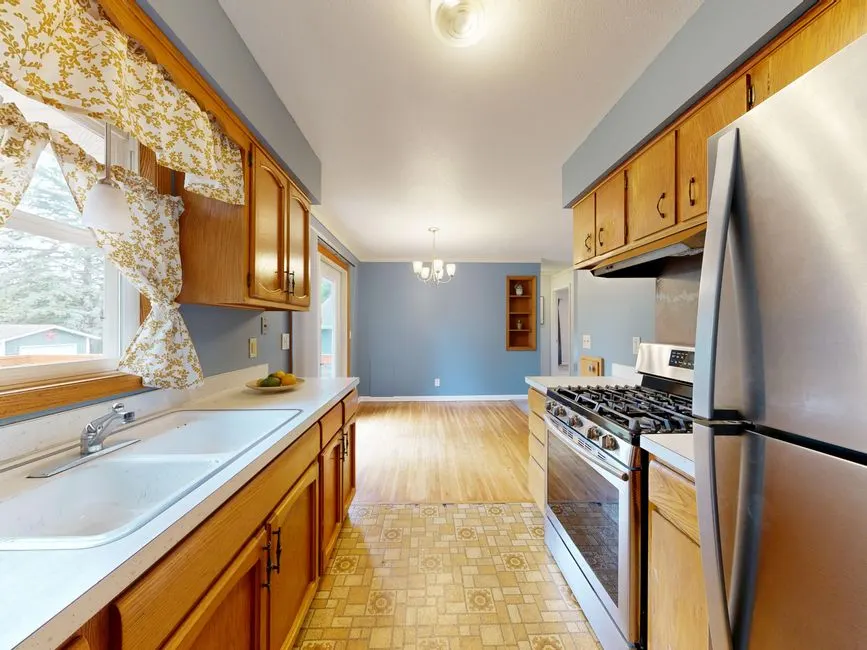
You spot it by looking for cupped or buckling floorboards, a soft spot underfoot near the fridge, dark staining at the baseboard behind the unit, or a musty smell that lingers in the kitchen even after you clean. Those are the four earliest signs that a refrigerator ice maker line leak has been soaking your subfloor, often for weeks before any water shows on the surface. A refrigerator ice maker line leak floor damage problem is one of the most common hidden water issues we see in Frisco kitchens, because the supply line runs behind the fridge where nobody looks. This post walks through the warning signs, how fast damage develops, what repair typically costs in 2026, and when it's time to bring in a pro.
Why Ice Maker Line Leaks Damage Floors So Quickly
An ice maker line leak damages floors quickly because the water drips continuously, not in one burst, and it seeps under the flooring where air can't reach it. A pinhole leak in a 1/4-inch copper or braided supply line can release 2 to 5 gallons per day. That's enough to saturate a 4-foot by 4-foot section of subfloor in under a week.
Most Frisco homes built after 2005 use either braided stainless or plastic push-fit lines behind the fridge. Both fail at the connection points, not the middle. The compression nut at the wall valve loosens from vibration every time the fridge cycles on. The saddle valve pierces the pipe and corrodes. The plastic ferrule cracks in cold weather. Any of these creates a slow drip that runs down the back of the fridge, pools at the base, and wicks into the flooring from underneath.
What makes it worse is that modern kitchens are built tight. There's no airflow behind the fridge, so moisture stays trapped. Within 48 to 72 hours you can have microbial growth starting in the subfloor and the bottom plate of the wall framing. That's why we treat every ice maker line leak as a same-day call, not a wait-and-see.
How Do I Spot Floor Damage From a Refrigerator Ice Maker Line Leak?
You spot floor damage from a refrigerator ice maker line leak by checking four things: the floor surface near the fridge, the baseboard and wall behind it, the smell in the room, and the feel underfoot. Start by pulling the fridge out 6 to 12 inches. If you haven't done that in a year, do it now.
Here's what to look for, in order of how early each sign appears:
- Day 1-3: A faint musty odor in the kitchen, especially in the morning. Water is sitting under the flooring.
- Day 3-7: The floor feels slightly cooler or spongier right at the fridge's front edge. Laminate planks may start to lift at the seams.
- Week 1-2: Hardwood boards cup (edges rise higher than the center). Baseboards show a dark water line at the bottom. Paint may bubble.
- Week 2-4: A visible soft spot when you step near the fridge. The subfloor has lost structural strength. You may see black or gray staining on the wood.
- Week 4+: The fridge tilts because the floor beneath it has collapsed. Mold is visible at the wall base. This is a tear-out, not a dry-out.
If you catch it in the first week, most floors can be saved with professional drying. After two weeks, you're usually looking at replacement. That's the difference between a $400 dry-out and a $3,500 floor replacement.
What Are the Signs of a Fridge Water Line Leak?
The signs of a fridge water line leak are not always a puddle on the floor. In fact, most ice maker line leaks we inspect in Frisco never produce standing water you can see. The water runs down the back of the unit, under the flooring, and into the wall cavity. Here's what you'll actually notice:
- Ice cubes that are smaller than usual or hollow in the center (low water pressure at the line)
- The ice maker cycles but produces no ice, or produces ice slowly
- A dripping sound behind the fridge when the ice maker fills
- Water stains on the wall behind the fridge, often hidden by the unit itself
- A warped or discolored section of flooring right at the fridge's footprint
- Increased water bill with no change in usage habits (a slow line leak can waste 100+ gallons a month)
One more sign that catches people off guard: a musty smell in the kitchen that doesn't go away after cleaning. That's usually mold growing in the subfloor or the drywall behind the fridge. If you smell it, the leak has been running for at least a week.
How Long Does It Take for an Ice Maker Leak to Damage the Floor?
An ice maker leak can damage a wood subfloor in as little as 7 to 10 days and cause visible mold growth in 48 to 72 hours. The timeline depends on three factors: how fast the line is dripping, what the flooring is made of, and how much airflow the area gets.
Here's a realistic breakdown for a typical Frisco kitchen:
- 24-48 hours: Subfloor is damp. No visible damage yet. This is the window where a simple dry-out saves everything.
- 3-7 days: Mold spores begin colonizing. Laminate underlayment starts to break down. Hardwood begins to cup.
- 1-2 weeks: Subfloor swelling is measurable. Baseboards wick water up 2 to 4 inches. Drywall behind the fridge is wet.
- 2-4 weeks: Structural softening. You can feel the floor give. Mold is established and spreading.
- 4+ weeks: Subfloor delamination. Flooring must be removed. Wall framing may need treatment.
The speed depends on the leak rate. A slow drip (1 gallon per day) gives you more time. A failed compression fitting that sprays (5+ gallons per day) can destroy a floor in a week. We've pulled up laminate in water damage cleanup Stonebriar Frisco homes where the leak had been running for three weeks and the subfloor was black with mold.
Hardwood, Laminate, and Tile: How Each Floor Reacts
Hardwood, laminate, and tile each respond to an ice maker leak differently, and that changes both the repair cost and the timeline. Here's what we see in Frisco homes:
Hardwood Flooring
Hardwood is the most vulnerable. Solid oak or hickory planks absorb water through the seams and swell. You'll see cupping first (edges higher than the center), then crowning (center higher than edges) if the leak continues. Once the wood dries, it may not return to its original shape. A 4-foot by 4-foot section of water-damaged hardwood typically costs $800 to $1,800 to replace in 2026, depending on the species and finish. If the subfloor is also damaged, add $600 to $1,200 for subfloor repair.
Laminate Flooring
Laminate is a composite core with a photographic layer on top. Water swells the core, which causes the planks to lift at the seams and feel spongy. Unlike hardwood, laminate rarely recovers. Once the core is swollen, the plank is done. You'll need to replace the affected planks and possibly the underlayment. Cost runs $400 to $1,200 for a small kitchen section, plus drying.
Tile Flooring
Tile itself is waterproof, but the grout and the thinset are not. Water passes through grout lines and saturates the subfloor underneath. You won't see damage on the surface until the subfloor swells enough to crack grout or pop tiles loose. By then, the damage is advanced. Tile floors hide ice maker leaks better than any other surface, which is why we recommend a moisture check any time you suspect a leak, even if the floor looks fine. Our hidden water damage detection Frisco TX service uses thermal imaging and pin meters to find moisture under tile without pulling it up.
Common Mistakes Homeowners Make After a Fridge Leak
The biggest mistake homeowners make after a fridge leak is drying the surface and assuming the problem is solved. Water under the flooring doesn't evaporate on its own. Here are the others we see regularly:
- Using a box fan and calling it done. A box fan moves air across the surface. It doesn't pull moisture out of a saturated subfloor. You need commercial dehumidification and directed air movers.
- Not pulling the fridge out. If you don't move the unit, you can't see the leak source, the wall damage, or the floor damage. Pull it out and look.
- Ignoring the musty smell. That smell is mold. It won't go away when the floor dries. It needs to be treated.
- Waiting for the insurance adjuster before drying. Mold grows in 48 to 72 hours. Your policy may cover the dry-out, but it won't cover mold remediation that could have been prevented. Start drying now, document everything, and file the claim.
- Replacing the floor without fixing the subfloor. If the subfloor is wet or moldy, new flooring will fail within a year. Dry and treat the subfloor first.
One more: don't tighten the compression nut and assume the leak is fixed. If the ferrule is cracked or the valve seat is corroded, tightening makes it worse. Replace the line and the valve. It's a $30 part and 20 minutes of work.
When to Call a Professional
Call a professional when you can't find the leak source, when the floor feels soft, when you smell mold, or when the affected area is larger than 2 square feet. Those are the four triggers. If you're past any of them, DIY drying won't cut it.
Here's what we do at Rapid Dry Frisco. We pull the fridge, find the leak, and stop it. Then we extract standing water with truck-mounted water extraction Frisco TX equipment, set up commercial dehumidifiers and air movers, and monitor moisture daily until the subfloor and wall cavity are dry. If the drywall behind the fridge is wet, we cut it out, dry the framing, and replace it. If mold is present, we treat it. We test the ice maker line before we leave. Most ice maker leak dry-outs take 3 to 5 days.
We work in kitchens across Frisco, including older homes in water damage cleanup Panther Creek Frisco where original copper lines are now 20+ years old and prone to pinhole leaks. If you're not sure whether you need help, call us and describe what you're seeing. We'll tell you straight.
Frequently Asked Questions
How do I spot floor damage from a refrigerator ice maker line leak?
Pull the fridge out and look for cupped or buckling floorboards, dark staining at the baseboard, a soft spot underfoot, or a musty smell. Check the wall behind the fridge for water stains. If the floor feels spongy or you smell mold, the leak has been running for at least a week.
What are the signs of a fridge water line leak?
Small or hollow ice cubes, a dripping sound behind the fridge, water stains on the wall, a warped floor section at the fridge footprint, and a higher-than-normal water bill. Most ice maker line leaks never produce a visible puddle because the water runs under the flooring.
How long does it take for an ice maker leak to damage the floor?
Wood subfloors can be damaged in 7 to 10 days. Mold growth starts in 48 to 72 hours. A slow drip gives you more time; a failed compression fitting that sprays can destroy a floor in under a week. The faster you dry it, the less damage.
Can a refrigerator leak cause mold under the floor?
Yes. Mold needs moisture and organic material, and a wood subfloor provides both. Mold can start growing in 48 to 72 hours after the leak begins. If you smell a musty odor in the kitchen, mold is likely already present and needs treatment, not just drying.
Does homeowners insurance cover ice maker line leaks in Texas?
Most Texas homeowners policies cover sudden and accidental water damage from an ice maker line leak, including the dry-out and repair. They typically do not cover damage from a leak you knew about and ignored. Document everything, file the claim, and start drying immediately to prevent mold.
Should I pull up the floor after a fridge leak?
Only if the flooring is already cupping, buckling, or soft. If you catch the leak early, professional drying can save the floor without removal. If the subfloor is swollen or moldy, the affected flooring and subfloor section must be removed and replaced.
Get Help With Leak Water Damage Cleanup in Frisco
If you've spotted any of the signs above, don't wait. A slow ice maker line leak can turn a $400 dry-out into a $4,000 floor replacement in under two weeks. We handle water damage cleanup Frisco TX for ice maker leaks, washing machine failures, and every other appliance leak that floods a kitchen.
Call Rapid Dry Frisco at (945) 297-3238. We'll find the leak, dry the floor, and tell you exactly what needs to happen next.