Local GuidesRepair Tips
Water Heater Leaking in the Attic: Ceiling Damage and Next Steps
An attic water heater leak soaks insulation, drywall, and ceilings fast. Here's how to shut it off, what ceiling damage looks like, and how to dry it out in Frisco.
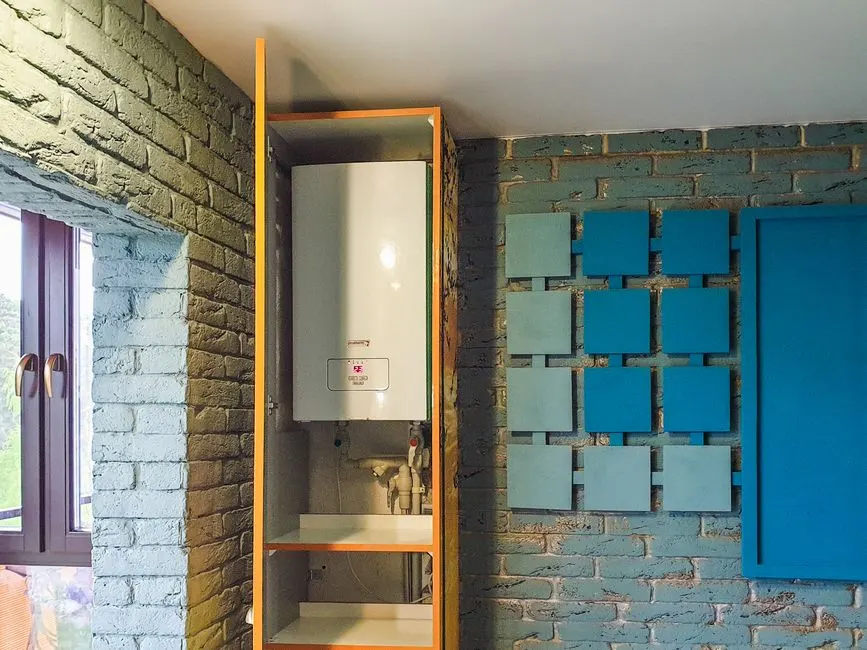
A water heater leaking in the attic is a plumbing failure that sends water through insulation, drywall, and ceilings - often for days before anyone notices. The fix starts with shutting off the water and power, then getting the standing water and soaked materials dried before mold sets in within 24 to 48 hours. This guide walks through the shutoff, how to read ceiling damage, what drying actually involves, and when to bring in a crew.
Frisco homes with attic-mounted water heaters are common in two-story builds across Stonebriar, Panther Creek, and Starwood, where the tank sits above a bedroom or hallway ceiling. That placement saves garage space, but it means every drip travels straight down into living areas.
Why Attic Water Heater Leaks Cause So Much Damage
Attic water heater leaks cause more damage than garage or closet leaks because water falls through the ceiling assembly - insulation, drywall, paint - before anyone sees it. A slow drip from a failing T&P valve or a corroded fitting can soak a 4-foot by 4-foot section of insulation overnight and still look like nothing from the hallway.
Attic water heater leak ceiling damage shows up in stages. First the insulation saturates and sags. Then the drywall paper absorbs water and the paint starts to bubble or discolor. By the time you see a water heater leak ceiling stain, the leak has usually been running for hours, sometimes days.
Attic heat makes it worse. In a Frisco attic, summer temperatures push past 140°F, which accelerates corrosion on fittings and stresses the tank's anode rod. When the tank finally gives, the water is hot and the damage spreads fast.
If your leak is coming from a different appliance, we also handle AC leak water damage Frisco TX and washing machine leak water damage Frisco TX - the drying process is similar, but the source fix is different.
What Should I Do If My Water Heater Is Leaking in the Attic?
If your water heater is leaking in the attic, shut off the water supply and the gas or power first, then move anything valuable out from under the leak and call a water damage crew. Do not wait to see if it stops.
Here is the order that matters:
- Shut off the water. Find the cold-water inlet valve on top of the tank and turn it clockwise until it stops. If it is stuck or corroded, go to the main shutoff for the house.
- Kill the power or gas. For electric units, flip the breaker. For gas, turn the dial to "pilot" or "off" - do not relight it yourself.
- Drain the tank if it is still leaking. Hook a garden hose to the drain valve at the bottom and run it to a safe drain or outside.
- Get everything out from under the leak. Furniture, electronics, anything on the floor below.
- Poke a small hole in a bulging ceiling. If the drywall is sagging with trapped water, a 1/4-inch hole in the low spot lets it drain in a controlled way instead of collapsing on its own.
- Call a water damage crew. Attic leaks soak insulation and ceiling cavities that a shop vac cannot reach.
If you are not comfortable climbing into the attic or the shutoff will not budge, stop and call us. We handle water heater leaking attic ceiling damage Frisco calls every week and can walk you through the shutoff over the phone.
How Do I Shut Off a Water Heater That Is Leaking in the Attic?
Shutting off a leaking attic water heater means closing the cold-water inlet valve on the tank, then killing the fuel source - breaker for electric, gas valve for gas. If the inlet valve is seized, use the house main.
Most Frisco homes have the main shutoff at the street meter box or on an exterior wall near the front hose bib. Turn it clockwise until it stops. That kills water to the whole house, which is fine for a short window while you deal with the tank.
One thing people miss: even after you shut off the inlet, the tank still holds 40 to 80 gallons. If the leak is from the tank itself and not a fitting, it will keep draining until the tank is empty. That is why the drain valve at the bottom matters - get a hose on it and run it somewhere safe.
If the leak is coming from the drain pan overflow instead of the tank, the pan line is likely clogged. Attic water heater drain pan overflow ceiling damage is one of the most common calls we get - the pan fills, the line is blocked with sediment, and water spills over the rim into the ceiling below.
Reading the Ceiling: Stains, Bubbling, and Sagging
Ceiling damage from a water heater leak tells you how long the leak has been running and how far the water has spread. A faint tan ring means a slow, recent drip. A dark brown ring with bubbling paint means the drywall is saturated and the leak has been active for days.
Here is what each stage means:
- Light tan stain, dry to the touch: old leak, likely stopped. Still worth checking with a moisture meter - drywall can read wet underneath a dry surface.
- Dark ring, paint bubbling: active leak. The drywall paper is separating from the gypsum core. This section usually needs to come out.
- Sagging or bulging: trapped water above the drywall. Poke a small drain hole immediately - a full sheet of wet 1/2-inch drywall weighs about 2.5 pounds per square foot, and gravity wins.
- Visible cracks or separation at the seams: the ceiling structure may be compromised. Get a pro in before you walk under it.
We use hidden water damage detection Frisco TX tools - thermal cameras and pin meters - to map how far the water traveled. Water follows joists and can show up 6 to 10 feet from the visible stain.
Wet Insulation and Hidden Moisture
Wet attic insulation loses most of its R-value and becomes a mold food source within 24 to 48 hours. Blown-in fiberglass and cellulose both collapse when saturated, and they hold water against the ceiling drywall far longer than the drywall would stay wet on its own.
If the insulation is wet, it usually has to come out. We bag it, dispose of it, and replace it after the ceiling cavity is dry. Trying to dry wet insulation in place rarely works - the outer layers dry while the middle stays damp for weeks.
For the ceiling itself, we run water damage drying Frisco TX equipment - air movers and low-grain refrigerant dehumidifiers - for 3 to 5 days. We check moisture readings daily and do not pull equipment until the drywall and framing hit dry standard.
Homes in water damage cleanup Stonebriar Frisco tend to have tighter attic envelopes, which traps humidity and slows drying. We adjust equipment counts and run times based on the actual readings, not a fixed schedule.
Can an Attic Water Heater Leak Cause the Ceiling to Collapse?
Yes - an attic water heater leak can cause a ceiling collapse if the drywall stays saturated long enough to lose structural strength. Standard 1/2-inch ceiling drywall fails when it holds roughly 2.5 to 3 pounds of water per square foot, which a steady leak can deliver in under 24 hours.
The warning signs are sagging, a visible bulge, or a ceiling that sounds hollow when tapped. If you see any of those, get everyone out from under it and poke a small drain hole from a safe angle - a controlled drip beats a 4-foot sheet of wet drywall landing on your floor.
Collapse risk goes up fast when the leak is directly above a bedroom or hallway, which is exactly where most Frisco two-story builds put the attic tank. If the ceiling is already sagging, call us before you try to move furniture under it.
Drying Timeline and What It Costs in 2026
Drying a ceiling after an attic water heater leak takes 3 to 5 days with professional equipment, longer if the insulation was saturated or the leak ran for more than 48 hours. Typical 2026 pricing in the Frisco area runs $1,200 to $3,500 for water extraction, structural drying, and dehumidification on a single-ceiling loss, with drywall and insulation replacement adding $800 to $2,500 depending on square footage.
Here is the rough breakdown:
- Emergency water extraction: $300 to $800
- Structural drying (3-5 days, equipment + monitoring): $900 to $2,200
- Wet insulation removal and replacement: $400 to $1,200
- Ceiling drywall repair and paint: $500 to $1,800
Most Texas homeowners policies cover sudden attic water heater leaks, including the drying, drywall, and insulation. Slow leaks that have been running for weeks are often excluded as maintenance issues - which is why we document everything with photos and moisture readings from day one. We also handle ceiling water damage Frisco TX repairs directly so you are not juggling three contractors.
Common Mistakes We See After Attic Water Heater Leaks
The biggest mistake is waiting to see if the leak stops on its own. It will not. Attic water heater leaks get worse, not better, because the tank keeps draining and the ceiling keeps absorbing.
Other mistakes we see on almost every call:
- Painting over the stain. Kilz does not stop mold. If the drywall is still wet underneath, you are sealing in the problem.
- Running a box fan and calling it dried. A box fan moves air but does not remove moisture. Without a dehumidifier, you are just spreading humidity through the house.
- Leaving wet insulation in place. It will grow mold within 48 hours and re-wet the ceiling from above.
- Not documenting for insurance. Photos before, during, and after - plus moisture readings - are what get claims approved.
- Ignoring the source. Drying the ceiling without fixing the tank or pan line means you will be doing this again next month.
If you are dealing with a leak from a different source, our under sink leak water damage Frisco and toilet leak water damage Frisco TX pages cover the same drying process for those losses.
When to Call a Professional
Call a professional the moment you see water coming through the ceiling, smell a musty odor in the attic, or find wet insulation. Those three signs mean the leak has already moved past what a towel and a fan can fix.
Our team at Rapid Dry Frisco handles the full job: shut off, extraction, insulation removal, structural drying, and ceiling repair. We bring thermal cameras to find the hidden moisture, dehumidifiers to pull it out of the air, and daily moisture logs you can hand to your insurance adjuster.
If the leak is in a home in water damage cleanup Panther Creek Frisco or anywhere else in the city, we can usually be on-site within the hour.
Frequently Asked Questions
What should I do if my water heater is leaking in the attic?
Shut off the cold-water inlet valve on the tank, kill the breaker or gas valve, and call a water damage crew. Move furniture out from under the leak and poke a small drain hole in any bulging ceiling. Do not wait - attic leaks soak insulation and drywall within hours.
Can an attic water heater leak cause the ceiling to collapse?
Yes. Standard 1/2-inch ceiling drywall fails at roughly 2.5 to 3 pounds of water per square foot, which a steady leak can deliver in under 24 hours. Sagging, bulging, or a hollow sound when tapped means collapse is possible - clear the area and call a pro.
How do I shut off a water heater that is leaking in the attic?
Turn the cold-water inlet valve on top of the tank clockwise until it stops, then flip the breaker for electric units or turn the gas dial to "off." If the inlet valve is seized, shut off the house main at the meter box or exterior wall.
Does homeowners insurance cover an attic water heater leak in Texas?
Most Texas policies cover sudden attic water heater leaks, including drying, drywall, and insulation. Slow leaks running for weeks are often excluded as maintenance. Document everything with photos and moisture readings from day one to support your claim.
How long does it take to dry a ceiling after a water heater leak?
Plan on 3 to 5 days with professional air movers and dehumidifiers. If the insulation was saturated or the leak ran more than 48 hours, expect 5 to 7 days. We do not pull equipment until moisture readings hit dry standard.
Can a water heater leak in the attic cause mold?
Yes - mold can start growing on wet drywall and insulation within 24 to 48 hours. Wet insulation almost always has to be removed and replaced. Drying the ceiling cavity fast is the only way to prevent it.
Get Help With Leak Water Damage Cleanup in Frisco
If your attic water heater is leaking and the ceiling is already showing stains or sagging, call Rapid Dry Frisco at (945) 297-3238. We handle the shutoff, extraction, drying, and ceiling repair - start to finish, with documentation for your insurance claim.